


Choosing the Right Software for Your Medical Device
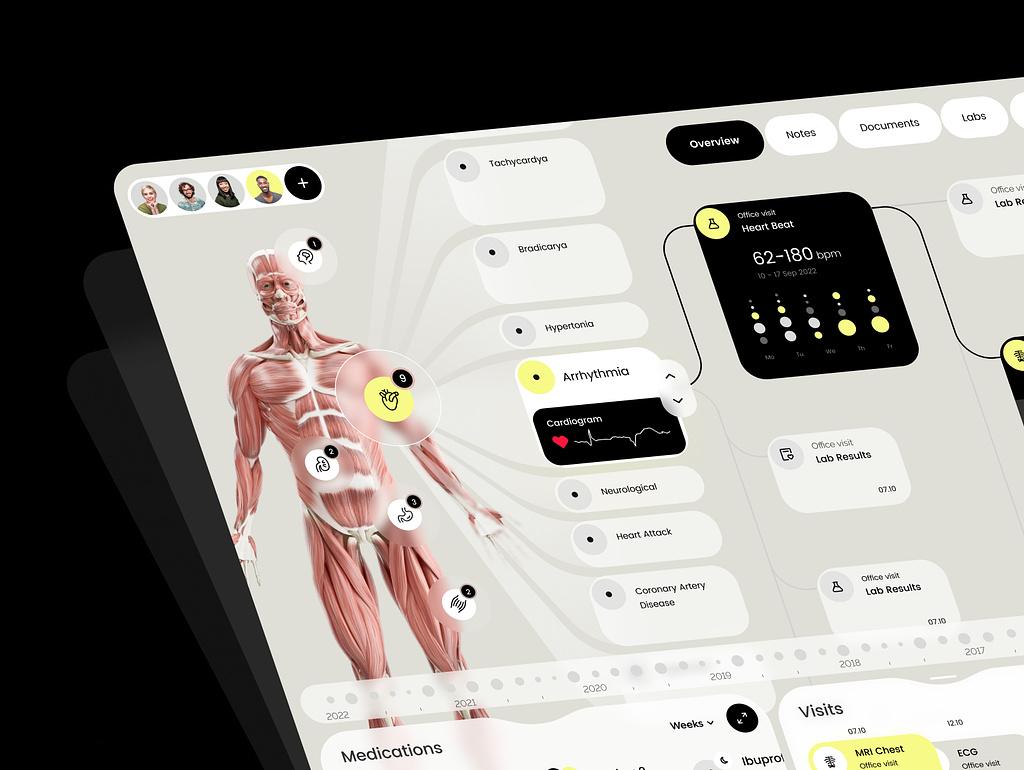
Selecting software for a medical device is a pivotal step in the development process, impacting compliance, usability, and patient outcomes. Here’s how to navigate the complexities of this decision to ensure your device is safe, effective, and market-ready.
Understand Regulatory Standards
Regulations are a cornerstone of medical device software development. Key considerations include:
-
Classification of Your Device: Class II and III devices face stricter requirements than Class I devices.
-
IEC 62304 Certification: This global standard ensures adherence to best practices in software lifecycle processes.
-
FDA and ISO Compliance: Align your software with frameworks like 21 CFR Part 11 and ISO 14971 for risk management.
Failing to meet these requirements can delay approvals and increase costs.
Clarify the Software’s Purpose
Determine the software’s specific role in the device:
-
Embedded Software: Operates within the device, such as firmware in insulin pumps.
-
Standalone Applications: Functions independently, like diagnostic or therapeutic apps.
-
Cloud or IoT Integrations: Supports connected ecosystems for remote monitoring or data analytics.
Knowing its purpose narrows your choices and focuses on development efforts.
Focus on Security and Privacy
Medical devices handle sensitive health data, making cybersecurity essential:
-
Encryption Standards: Use robust encryption to protect data during transmission and storage.
-
Regulatory Data Protections: Ensure compliance with regulations like GDPR (Europe) or HIPAA (USA).
-
Threat Monitoring: Opt for software that supports active monitoring and vulnerability management.
Security isn’t just a feature—it’s a necessity for user trust and legal compliance.
Evaluate Software Compatibility
Your software must seamlessly integrate with the device’s hardware and other systems. Consider:
-
Hardware Constraints: Ensure compatibility with device processors, memory, and sensors.
-
Interoperability: Check if the software can interface with hospital systems, EMRs, or other devices.
-
Connectivity: IoT devices need stable wireless or cloud integration.
Testing compatibility early saves time and effort down the road.
Assess Usability and User Experience
End-users—healthcare professionals or patients—should find the software intuitive and reliable. Evaluate:
-
User Interface Design: Keep interfaces simple and user-friendly.
-
Accessibility Features: Consider features for diverse user needs, including visual or mobility impairments.
-
Workflow Integration: Ensure the software fits seamlessly into medical workflows.
A well-designed user experience fosters adoption and reduces training time.
Choose a Reliable Vendor or Partner
Your software vendor plays a crucial role in development and support. Look for:
-
Expertise in MedTech: Vendors with a track record in medical software are better equipped to meet regulations.
-
Support Services: Post-deployment updates and bug fixes are critical for device longevity.
-
Scalability: Partner with vendors whose solutions can grow with your product.
A good medical device software development company’s relationship can significantly impact your project’s success.
Prototype and Validate
Before committing to a full-scale rollout:
-
Create Prototypes: Test functionality in controlled environments.
-
Gather Feedback: Use input from clinicians, engineers, and patients to refine the software.
-
Document Everything: Maintain thorough records for regulatory submissions.
Iterative testing and validation reduce risks and improve final outcomes.
Final Thoughts
Choosing the right software for your medical device is more than a technical decision—it’s about ensuring patient safety, meeting regulations, and delivering a seamless user experience. By focusing on compliance, compatibility, and usability, you can set your medical device on a path to success in the competitive healthcare market.

 English
 Arabic
 Français
 Español
 Deutsch
 Türkçe
 Dutch
Dutch
 Italiano
 Russian
 Romaian