


Wafer Handling Robots: Enhancing Efficiency and Ensuring Cybersecurity in Semiconductor Manufacturing
Introduction:
In the fast-evolving world of semiconductor manufacturing, wafer handling robots have become a cornerstone of modern production lines. These robots automate crucial processes such as wafer transfer, inspection, and packaging, contributing to the efficiency, precision, and scalability of semiconductor fabrication. However, as wafer handling robots become more integrated into manufacturing ecosystems, the need for robust cybersecurity measures has also escalated. Cybersecurity in wafer handling robots is essential to ensure the integrity of manufacturing processes, protect sensitive data, and prevent cyber threats that could disrupt operations.
In this article, we will explore the role of wafer handling robots in semiconductor production, their benefits, and the importance of cybersecurity in safeguarding both the robots and the data they handle.
What Are Wafer Handling Robots?
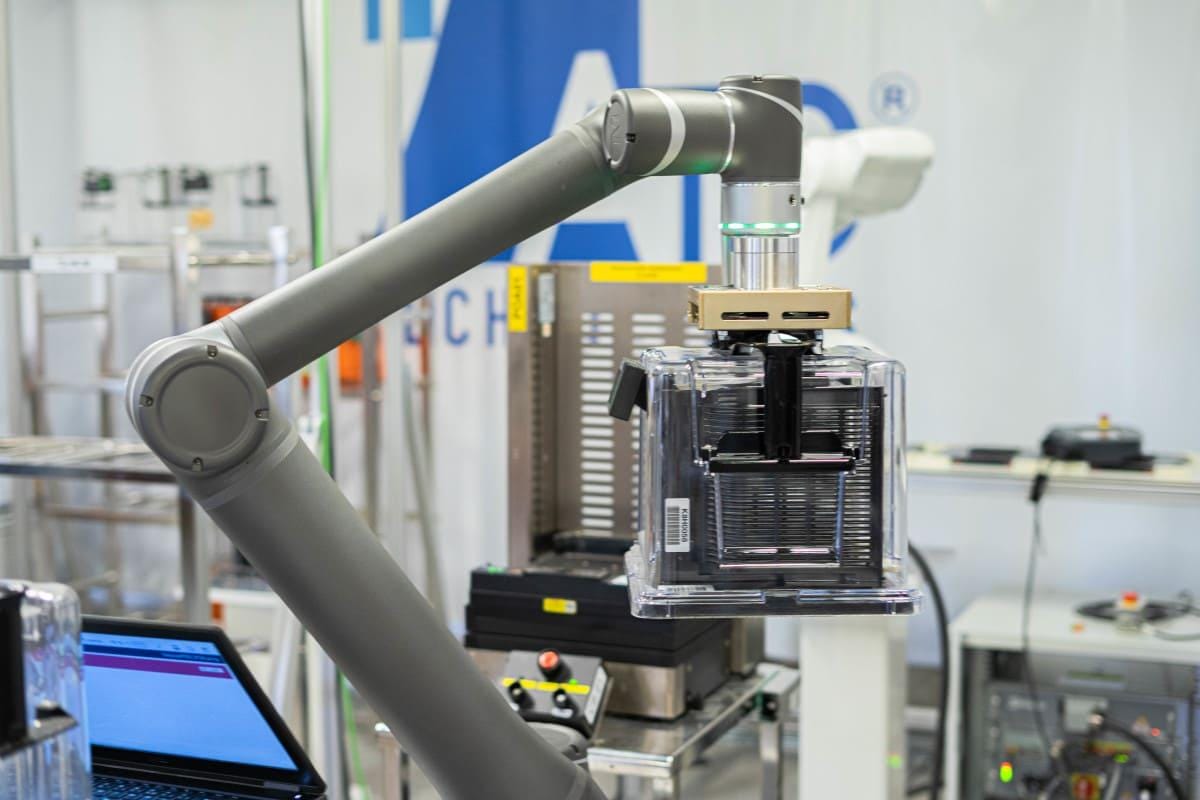
Wafer handling robots are robotic systems specifically designed to automate the movement, inspection, and processing of semiconductor wafers during various stages of manufacturing. These robots are typically used in cleanroom environments to handle delicate wafers that are too small and sensitive for human handling. The primary functions of wafer handling robots include:
· Wafer Transfer: Moving wafers between different machines and workstations in the semiconductor fabrication process.
· Wafer Alignment and Inspection: Ensuring wafers are positioned correctly for processes such as lithography, etching, and deposition.
· Wafer Sorting and Packaging: Organizing and packaging completed wafers into standard forms for further testing or shipping.
By automating these tasks, wafer handling robots increase throughput, minimize human error, and improve the consistency of production.
Key Advantages of Wafer Handling Robots
1. Increased Efficiency: Robots can operate continuously, working 24/7 with minimal downtime. This leads to higher production rates and more consistent output.
2. Precision and Accuracy: With advanced sensors and control systems, wafer handling robots can handle fragile wafers with extreme precision, reducing the risk of contamination or damage.
3. Enhanced Cleanliness: Wafer fabrication environments are often subject to stringent cleanliness standards. Robots help reduce human contamination, as they are designed to work in controlled, cleanroom environments.
4. Cost-Effectiveness: While the initial investment in wafer handling robots can be significant, their ability to reduce labor costs, increase productivity, and improve product quality makes them a cost-effective solution in the long run.
5. Flexibility and Scalability: Modern wafer handling robots are often programmable and can be reconfigured for different wafer sizes, production requirements, or manufacturing processes.
Despite these benefits, the rise of automation in wafer handling introduces new cybersecurity concerns that need to be addressed to ensure smooth and secure operations.
The Need for Cybersecurity in Wafer Handling Robots
As wafer handling robots become more advanced, they are increasingly connected to networks, cloud platforms, and other industrial control systems. This connectivity allows for real-time monitoring, data collection, and remote operation, but it also opens the door to potential cyber threats. Cybersecurity is no longer just a matter of protecting traditional IT systems; it must also extend to operational technology (OT) systems like wafer handling robots.
Here are the main cybersecurity concerns related to wafer handling robots:
1. Protection of Sensitive Data
Wafer handling robots are often integrated with systems that collect and process vast amounts of data, including design specifications, process parameters, and performance metrics. This data is valuable and often confidential, as it contains proprietary information about semiconductor designs and manufacturing techniques. A breach in security could result in the theft of intellectual property (IP), loss of competitive advantage, or violation of industry regulations.
Cybercriminals or malicious insiders could target wafer handling robots to access sensitive data, especially in a highly connected environment. This underscores the importance of implementing encryption, authentication, and data integrity checks to safeguard information during transmission and storage.
2. Industrial Control System (ICS) Vulnerabilities
Wafer handling robots are often part of a larger industrial control system (ICS) that manages the entire manufacturing process. These systems control critical functions, from wafer alignment to etching and deposition. Cyberattacks targeting ICS can lead to severe disruptions, including machine malfunctions, production delays, and even physical damage to expensive equipment.
Weaknesses in the firmware, software, or hardware of wafer handling robots could provide an entry point for cyberattackers. Hackers could exploit vulnerabilities to gain unauthorized access, compromise the robots’ functionality, or launch denial-of-service (DoS) attacks that shut down the production line.
3. Supply Chain Attacks
The semiconductor supply chain is a complex network involving many stakeholders, including robot manufacturers, component suppliers, and system integrators. A successful cyberattack on any of these entities can have cascading effects on wafer handling robots and their associated systems.
For instance, compromised software or firmware updates could be introduced into the robot’s control systems, allowing attackers to take control of the robots or implant malware. This highlights the need for a secure supply chain and rigorous verification processes to ensure that only trusted updates and components are used in wafer handling robots.
4. Insecure Remote Access
Many wafer handling robots are now equipped with remote access capabilities, enabling engineers to monitor performance, diagnose issues, and perform maintenance from anywhere in the world. While this remote access can greatly improve operational efficiency, it also introduces potential risks. If remote access is not properly secured, attackers can exploit vulnerabilities in the remote access protocols, potentially gaining control over critical systems.
The use of secure communication channels, strong multi-factor authentication (MFA), and role-based access control can help mitigate these risks.
5. Risk of Ransomware and Malware
Ransomware and other types of malware can target manufacturing systems, including wafer handling robots. In a ransomware attack, cybercriminals lock up key data or systems and demand payment for its release. If ransomware were to infect a robot or the network it is connected to, it could lead to widespread downtime, production delays, and financial losses.
Similarly, malware could be used to alter the operation of robots, causing defects in the semiconductor wafers or disrupting production. Regular software updates, real-time monitoring, and endpoint protection are crucial in preventing these types of attacks.
Best Practices for Securing Wafer Handling Robots
To protect wafer handling robots from cyber threats, semiconductor manufacturers must implement a comprehensive cybersecurity strategy. Below are key best practices for securing wafer handling robots and their associated systems:
1. Network Segmentation
One of the most effective ways to prevent cyberattacks from spreading across the manufacturing system is through network segmentation. By isolating wafer handling robots and other critical OT systems from the broader IT network, manufacturers can limit the potential damage caused by a breach. Segmentation ensures that even if one system is compromised, the attacker cannot easily move laterally within the network to access other systems.
2. Encryption and Data Integrity
Data exchanged between wafer handling robots, control systems, and cloud platforms should be encrypted to ensure its confidentiality and integrity. Implementing strong encryption protocols (e.g., TLS or AES) helps protect sensitive data from being intercepted during transmission. Additionally, data integrity checks can prevent unauthorized modifications to data.
3. Regular Software Updates and Patching
Like any other network-connected system, wafer handling robots require regular updates to protect against known vulnerabilities. Manufacturers should establish a robust patch management process that ensures the timely application of security patches to the robots' firmware, software, and operating systems. This will reduce the risk of cybercriminals exploiting vulnerabilities.
4. Multi-Factor Authentication (MFA)
For systems that allow remote access, multi-factor authentication (MFA) is a critical security measure. MFA requires users to provide two or more forms of identification (e.g., a password and a fingerprint scan) before accessing sensitive systems. This adds an extra layer of protection against unauthorized access, particularly for engineers or administrators working remotely.
5. Behavioral Monitoring and Anomaly Detection
Behavioral monitoring tools can track the actions of wafer handling robots and other connected systems in real-time. By analyzing typical operating patterns, these tools can detect anomalies that may indicate a potential cyberattack or malfunction. For example, if a robot suddenly starts transferring wafers in a way that deviates from its normal operating parameters, the system can alert administrators before any serious damage occurs.
6. Employee Training and Awareness
Human error is often a weak link in cybersecurity. Manufacturers should regularly train employees on cybersecurity best practices, such as recognizing phishing emails, adhering to password policies, and reporting suspicious activities. This ensures that all personnel are aware of potential threats and can act as a first line of defense against cyberattacks.
7. Incident Response Plan
No system is entirely immune to cyberattacks. Therefore, it is essential to have a detailed incident response plan in place. This plan should outline steps for identifying, containing, and mitigating the effects of a cyberattack. A well-structured response can help minimize downtime, reduce financial losses, and prevent further breaches.
Conclusion
Wafer handling robots play a pivotal role in modern semiconductor manufacturing, driving efficiency, precision, and cost-effectiveness. However, as these robots become increasingly connected and integrated into larger systems, the risks associated with cybersecurity grow more significant. Protecting wafer handling robots from cyber threats is essential to ensure the integrity of manufacturing processes, safeguard sensitive data, and prevent costly disruptions.
See the full article: https://www.nextmsc.com/blogs/wafer-handling-robots-market-trends

 English
 Arabic
 Français
 Español
 Português
 Deutsch
 Dutch
Dutch
 Italiano
 Russian
 Romaian