


What is a Sales Funnel?
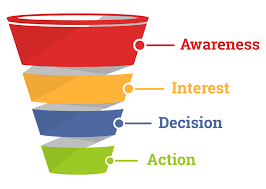
In the world of sales and marketing, the concept of a sales funnel is crucial for turning prospects into loyal customers. It represents the process that potential customers go through, from becoming aware of your product or service to eventually making a purchase. For businesses of all sizes, having a well-defined sales funnel can be the difference between stagnation and success.
This article will explore what a sales funnel is, why it’s essential for your business, and how you can optimize it to increase conversions and grow your revenue.
What is a Sales Funnel?
A sales funnel is a model that outlines the steps a potential customer takes on their journey to purchase a product or service. The funnel metaphor is used because, at the top, you attract a broad audience, but as prospects move through the funnel, the number of leads narrows until only a small portion reaches the bottom and becomes customers.
In essence, the sales funnel is designed to guide leads from the first point of contact with your business all the way through to conversion, allowing you to nurture leads along the way.
The Stages of the Sales Funnel
The sales funnel typically consists of four key stages:
-
Awareness: This is the first stage, where potential customers first become aware of your business, product, or service. At this point, they may not yet know that they have a problem that your offering can solve.
-
Interest: Once your audience is aware of your business, they enter the interest stage. Here, they express curiosity about your product or service and start seeking more information. They may subscribe to your email list, follow you on social media, or engage with your content.
-
Decision: In the decision stage, leads are evaluating their options. They are considering whether your product or service is the right solution for them. They might compare your offering to competitors and seek out reviews or testimonials to help them make an informed decision.
-
Action: The final stage is where prospects become customers. At this point, they are ready to take action, which typically means making a purchase. However, this stage also includes post-purchase actions such as onboarding, customer support, and additional purchases.
Each of these stages requires different types of content, messaging, and strategies to guide the lead toward conversion.
Why is a Sales Funnel Important?
Having a sales funnel is critical for several reasons:
1. Improved Lead Management
The sales funnel helps you segment leads based on where they are in the buyer journey. This segmentation allows you to send the right messages to the right people at the right time. Instead of targeting everyone with the same offer, you can nurture leads according to their specific needs.
2. Better Conversion Rates
By addressing the unique needs of your audience at each stage of the funnel, you increase the chances of converting leads into paying customers. A well-nurtured lead is more likely to make a purchase than one that hasn’t been adequately educated or engaged.
3. Resource Optimization
A sales funnel ensures that you’re spending your time and marketing resources efficiently. By focusing efforts on the most qualified leads, you can reduce the costs associated with acquiring customers and improve your overall return on investment (ROI).
4. Customer Retention and Growth
The sales funnel doesn't end once a lead makes a purchase. A good funnel encourages ongoing communication with your customers, helping to increase retention and encourage repeat business. This can lead to higher customer lifetime value (CLV), which is a key factor in sustained business growth.
Stages of the Sales Funnel Explained
Let’s dive deeper into the key stages of the sales funnel, understanding what happens at each stage and the strategies you can use to optimize them.
1. Awareness Stage: Attracting Prospects
In the awareness stage, the goal is to attract as many potential customers as possible. Prospects at this stage are just starting to recognize a problem they need to solve, but they may not yet be aware of your product or solution.
Sales Funnels Your objective is to make them aware of your brand and the value you offer.
Key Strategies for the Awareness Stage:
- Content Marketing: Create blog posts, videos, infographics, and podcasts that address common problems or provide valuable insights. This content should aim to educate your audience and create awareness.

 Arabic
 Français
 Español
 Português
 Deutsch
 Türkçe
 Dutch
Dutch
 Italiano
 Russian
 Romaian