


Small vs. Large Prefab Homes: Which One is Right for You?
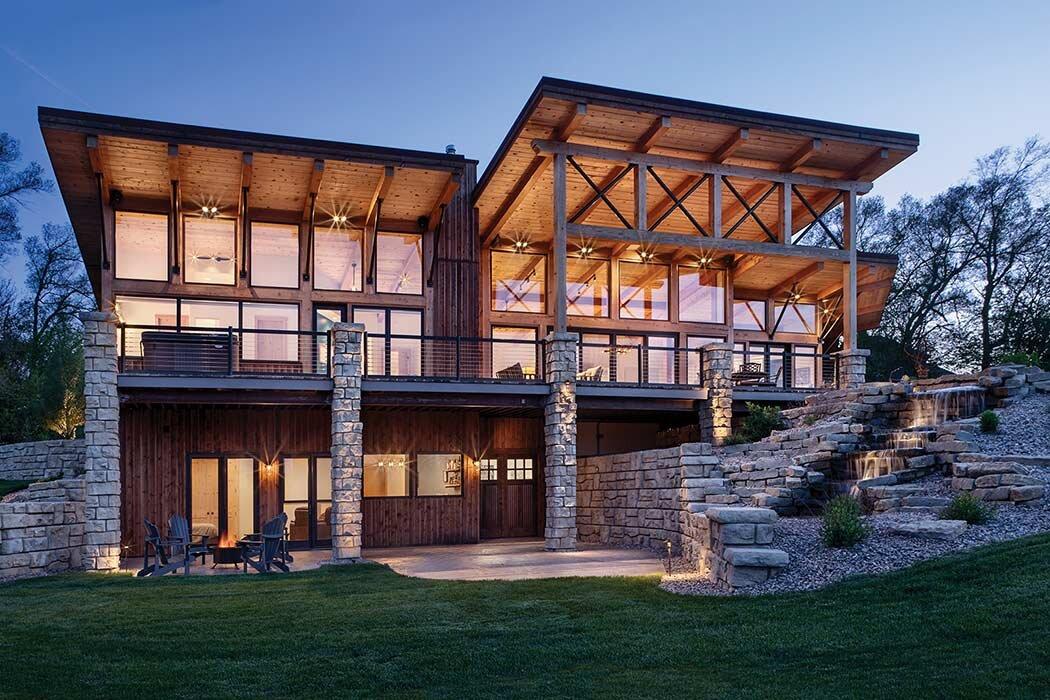
Prefabricated homes, commonly known as prefab homes, have become a popular housing solution for individuals looking for affordability, efficiency, and sustainability. Whether you're a first-time homebuyer, a downsizer, or someone seeking an expansive family home, prefab homes offer a variety of sizes to suit different needs. But which one is right for you—a small or a large prefab home? This article will explore the pros and cons of both options to help you make an informed decision.
Understanding Small Prefab Homes
Small prefab homes typically range from 400 to 1,000 square feet. They are designed to maximize space while maintaining functionality. These homes are often chosen by individuals who prioritize minimalism, energy efficiency, and lower costs.
Advantages of Small Prefab Homes
-
Affordability
-
Small prefab homes are significantly more affordable compared to their larger counterparts.
-
They require fewer materials, lower labor costs, and often have reduced land requirements.
-
-
Lower Maintenance Costs
-
With a smaller footprint, maintenance costs are much lower.
-
Fewer rooms mean less upkeep and reduced expenses for repairs and replacements.
-
-
Energy Efficiency
-
Small prefab homes consume less energy for heating and cooling.
-
Many of them incorporate solar panels and other eco-friendly technologies.
-
-
Faster Construction Time
-
The smaller size allows for quicker assembly, sometimes within a few weeks.
-
Challenges of Small Prefab Homes
-
Limited Space
-
Storage space can be an issue, requiring smart organizational solutions.
-
-
Resale Value
-
Smaller homes may have a limited market when it comes to resale.
-
-
Less Room for Growth
-
Not ideal for growing families or individuals who need extra space for hobbies, work, or guests.
-
Exploring Large Prefab Homes
Large prefab homes generally range from 1,500 to 3,000+ square feet. These homes offer ample living space and can accommodate families, home offices, and luxury features.
Advantages of Large Prefab Homes
-
Spacious Living
-
Larger prefab homes provide multiple bedrooms, bathrooms, and living areas.
-
Ideal for families or those who require more personal space.
-
-
Greater Customization
-
More room means greater flexibility in design, including additional storage, home offices, and entertainment areas.
-
-
Higher Resale Value
-
Larger homes generally have a broader appeal, making them easier to sell in the future.
-
-
Comfort and Luxury
-
Possibility to include features such as large kitchens, walk-in closets, and dedicated entertainment spaces.
-
Challenges of Large Prefab Homes
-
Higher Costs
-
The cost of construction, materials, and labor increases with larger homes.
-
Utility bills and maintenance expenses are also higher.
-
-
Longer Build Time
-
Larger homes take more time to construct, which may delay move-in timelines.
-
-
Environmental Impact
-
Larger homes typically consume more energy and resources, making them less eco-friendly.
-
Which One Is Right for You?
Choosing between a small or large prefab home depends on various factors, including budget, lifestyle, and future plans. Here are some key considerations to help with your decision:
1. Budget
-
If affordability is a priority, smaller prefab homes are the better option. Modern Prefab Homes Under 100k provide excellent choices for budget-conscious buyers.
-
If you have a larger budget and need more space, a large prefab home can offer long-term value.
2. Lifestyle Needs
-
If you live alone or with a partner, a small prefab home may be sufficient.
-
Families, individuals working from home, or those who entertain frequently may prefer a larger prefab home.
3. Land Availability
-
Smaller prefab homes can fit into smaller plots, making them ideal for urban areas.
-
Large prefab homes require more land, which may not always be affordable or available.
4. Long-Term Plans
-
If you plan on expanding your family, a large prefab home may be a better long-term investment.
-
Retirees or individuals seeking to downsize may find small prefab homes more practical.
Conclusion
Both small and large prefab homes have their unique advantages and challenges. The best choice depends on your financial capacity, space needs, and future goals. They are an excellent option for those seeking affordability and sustainability. On the other hand, if space, luxury, and long-term investment are your priorities, a large prefab home might be the ideal solution. By carefully evaluating your needs, you can select the perfect prefab home that aligns with your lifestyle and budget.

 Arabic
 Français
 Español
 Português
 Deutsch
 Türkçe
 Dutch
Dutch
 Italiano
 Russian
 Romaian