


Understanding CE Certification: A Guide to Compliance and Benefits
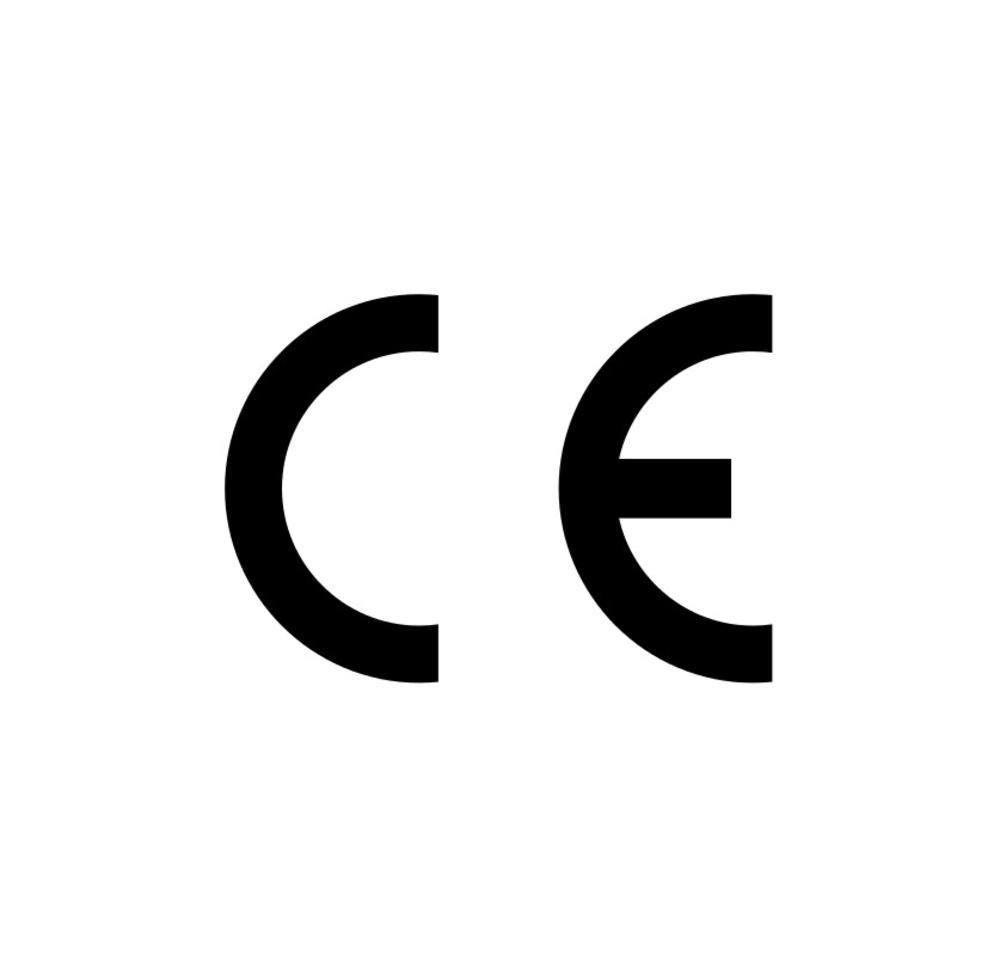
Introduction CE certification is a mandatory conformity mark for products sold within the European Economic Area (EEA). It signifies that a product meets essential health, safety, and environmental requirements. This certification is crucial for businesses that want to expand into European markets and ensure compliance with regulatory standards.
1. What is CE Certification? CE certification, also known as the CE mark, is a declaration by the manufacturer that their product complies with European Union (EU) directives and regulations. The CE marking is required for various products, including electronics, machinery, medical devices, and toys. It indicates that a product has undergone the necessary assessment procedures and meets EU safety and performance standards.
2. Steps to Obtain CE Certification To achieve CE certification, manufacturers must follow a structured process:
-
Identify Applicable Directives and Standards: Determine the EU directives and harmonized standards relevant to the product.
-
Conduct a Conformity Assessment: Assess the product against the specified standards through testing, inspection, or technical documentation.
-
Engage a Notified Body (if required): For high-risk products, manufacturers may need to involve an independent notified body for evaluation.
-
Prepare Technical Documentation: Maintain detailed records, including design specifications, risk assessments, and test results.
-
Issue a Declaration of Conformity: Officially declare that the product complies with all relevant requirements.
-
Affix the CE Mark: Place the CE marking visibly on the product before it enters the market.
3. Benefits of CE Certification CE certification provides several advantages for businesses and consumers:
-
Market Access: Enables free movement of products within the EEA and facilitates global trade.
-
Legal Compliance: Ensures adherence to EU safety and environmental regulations, reducing legal risks.
-
Consumer Trust: Enhances credibility and consumer confidence in product quality and safety.
-
Competitive Edge: Differentiates certified products from non-compliant alternatives in the marketplace.
Conclusion CE certification is a vital requirement for manufacturers looking to sell products in the EEA. By complying with EU directives, businesses can ensure product safety, gain market access, and build consumer trust. Following the proper certification process will not only help in regulatory compliance but also strengthen a company's reputation and competitive position in the industry.

 English
 Arabic
 Français
 Español
 Português
 Deutsch
 Türkçe
 Italiano
 Russian
 Romaian