


How To Monitor Heart Health With Regular ECG Tests At Home
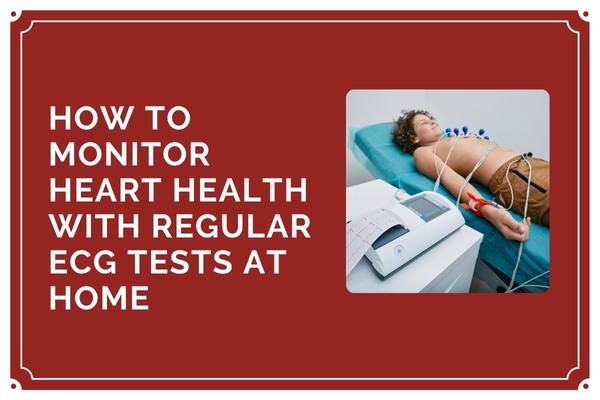
Maintaining heart health is essential for overall well-being, and regular ECG tests at home can be a convenient way to monitor heart function. With advancements in medical technology, portable ECG devices allow individuals to track their heart activity without frequent hospital visits. Here’s a guide on how to monitor heart health with regular ECG tests at home.
Understanding ECG Tests and Their Importance
An electrocardiogram (ECG) test records the electrical activity of the heart and helps detect abnormalities such as arrhythmias, heart disease, and other cardiovascular conditions. Regular ECG monitoring is especially beneficial for individuals with a history of heart disease, hypertension, or those at risk of cardiac issues.
Step 1: Choose the Right ECG Device
There are various types of portable ECG monitors available for home use. Choose a device that suits your needs, whether it’s a handheld ECG monitor, a smartwatch with ECG capabilities, or a more advanced multi-lead ECG device.
Step 2: Set Up a Comfortable Testing Environment
Find a quiet and comfortable space to conduct the test. Ensure minimal electronic interference and lie down in a relaxed position to obtain accurate readings.
Step 3: Prepare for the ECG Test
- Wear loose-fitting clothing to allow easy access to the chest and limbs.
- Avoid caffeine, smoking, and strenuous activities at least an hour before the test.
- Clean the skin where the electrodes will be placed to ensure better contact.
Step 4: Conduct the ECG Test
Follow the device instructions carefully for proper electrode placement. Most home ECG monitors require placing fingers on sensors or attaching small electrodes to the skin. Stay still and breathe normally during the test to avoid interference.
Step 5: Record and Analyze the Results
Many portable ECG devices provide instant results or allow data storage for later analysis. Regularly check your readings for any irregularities such as skipped beats, abnormal heart rates, or unusual wave patterns.
Step 6: Consult with a Healthcare Professional
While home ECG tests provide valuable insights, they should not replace professional medical advice. Share your ECG readings with a doctor for proper interpretation and medical guidance, especially if you notice abnormal patterns or experience symptoms like dizziness, chest pain, or palpitations.
Benefits of Regular ECG Monitoring at Home
- Early Detection of Heart Conditions: Identifies irregularities before they become serious.
- Convenience and Comfort: Eliminates the need for frequent hospital visits.
- Better Management of Chronic Conditions: Helps patients with heart disease or hypertension track their progress.
- Personalized Healthcare: Enables doctors to make informed treatment decisions based on continuous monitoring.
Monitoring heart health with regular ECG tests at home is a proactive approach to cardiovascular well-being. By following the right steps and consulting healthcare professionals, individuals can detect and manage heart conditions effectively. At Drarrys MediClinic, we offer expert home healthcare services, including ECG monitoring, to ensure your heart remains healthy. Contact us today for professional assistance and personalized care!

 English
 Arabic
 Français
 Español
 Português
 Deutsch
 Türkçe
 Dutch
Dutch
 Italiano
 Russian