


How to Build a Successful Career as a Pest Control Technician
Introduction
Becoming a pest control technician is a rewarding career choice for those who enjoy problem-solving, working independently, and making a tangible difference in their communities. Pest control technicians play a vital role in protecting homes, businesses, and public spaces from pests that can cause health hazards and property damage. If you're considering this career path, this guide will walk you through the steps to become a pest control technician, the skills you'll need, and the opportunities available in this field.
What Does a Pest Control Technician Do?
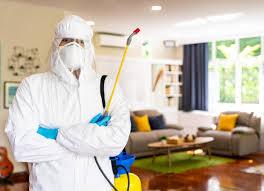
Before diving into the steps to become a pest control technician, it's essential to understand the role and responsibilities. Pest control technicians identify, manage, and eliminate pests such as rodents, insects, and other unwanted creatures. Their duties include inspecting properties, applying treatments, setting traps, and advising clients on preventive measures. They may work in residential, commercial, or agricultural settings, depending on their specialization.
Step 1: Research the Profession
The first step to becoming a pest control technician is to research the profession thoroughly. Understand the day-to-day tasks, the challenges, and the rewards of the job. Speak to professionals in the field, read industry publications, and explore online resources to gain a clear picture of what the job entails. This research will help you determine if this career aligns with your interests and goals.
Step 2: Meet the Basic Requirements
To become a pest control technician, you'll need to meet certain basic requirements. These typically include:
-
A high school diploma or equivalent.
-
A valid driver's license, as the job often involves traveling to different locations.
-
Physical fitness, as the role may require lifting heavy equipment, crawling into tight spaces, and working in various weather conditions.
Step 3: Obtain the Necessary Education and Training
While a college degree is not mandatory, completing relevant coursework or training programs can give you a competitive edge. Many community colleges and vocational schools offer programs in pest control or related fields such as entomology or environmental science. These programs cover topics like pest biology, pesticide application, and safety protocols.
Additionally, some pest control companies provide on-the-job training for new hires. This training typically includes classroom instruction and hands-on experience under the supervision of experienced technicians. If you're serious about this career, it's important to learn how to become a pest control technician by gaining the right education and certifications to stand out in the field.
Let me know if you need further adjustments!
Step 4: Become a Pest Control Technician by Gaining Certification
Certification is a crucial step in becoming a pest control technician. Most states require technicians to be licensed, and the requirements vary by location. Generally, the process involves:
-
Completing a state-approved training program.
-
Passing a written exam that tests your knowledge of pest control methods, safety regulations, and pesticide use.
-
Applying for a license through your state's regulatory agency.
Some states also require continuing education to maintain your license, ensuring you stay updated on the latest industry practices and regulations.
Step 5: Develop Essential Skills
Success as a pest control technician requires a combination of technical knowledge and soft skills. Key skills include:
-
Problem-Solving: Identifying the root cause of pest issues and determining the most effective solutions.
-
Attention to Detail: Carefully inspecting properties and applying treatments with precision.
-
Communication: Explaining complex pest control methods to clients in a clear and understandable way.
-
Customer Service: Building trust and maintaining positive relationships with clients.
-
Time Management: Efficiently managing your schedule to meet client needs and complete tasks on time.
Step 6: Gain Practical Experience
Hands-on experience is invaluable in this field. Start by applying for entry-level positions or apprenticeships with pest control companies. These roles allow you to work alongside experienced technicians, learn the ropes, and build your confidence. Over time, you'll develop the expertise to handle more complex pest control challenges independently.
Step 7: Stay Updated on Industry Trends
The pest control industry is constantly evolving, with new technologies, treatments, and regulations emerging regularly. Stay informed by attending industry conferences, participating in workshops, and subscribing to trade publications. This ongoing education will help you provide the best possible service to your clients and advance your career.
Step 8: Consider Specialization
As you gain experience, you may choose to specialize in a specific area of pest control. Common specializations include:
-
Residential Pest Control: Focusing on homes and apartments.
-
Commercial Pest Control: Serving businesses, restaurants, and office buildings.
-
Agricultural Pest Control: Protecting crops and livestock from pests.
-
Wildlife Control: Managing larger pests like raccoons, squirrels, and bats.
Specialization can open up new opportunities and allow you to become an expert in your chosen niche.
Step 9: Build a Strong Professional Network
Networking is essential for career growth in any field, and pest control is no exception. Join professional organizations such as the National Pest Management Association (NPMA) to connect with industry peers, access resources, and stay informed about job opportunities. Building relationships with colleagues and mentors can also provide valuable support and guidance throughout your career.
Step 10: Explore Career Advancement Opportunities
With experience and expertise, you can advance your career in several ways. Some technicians move into supervisory or managerial roles, overseeing teams and managing operations. Others start their own pest control businesses, offering services directly to clients. Additionally, you may choose to specialize further or transition into related fields such as environmental health or public safety.
Conclusion
Becoming a pest control technician is a fulfilling career path that offers stability, variety, and the opportunity to make a positive impact. By following the steps outlined in this guide—researching the profession, meeting the basic requirements, obtaining education and certification, developing essential skills, gaining experience, and staying updated on industry trends—you can build a successful career in this field. Whether you're just starting out or looking to advance, the pest control industry offers numerous opportunities for growth and success.

 English
 Arabic
 Français
 Español
 Português
 Deutsch
 Türkçe
 Dutch
Dutch
 Russian
 Romaian