


Gibbs Reflective Cycle for Students: A Practical Approach to Learning from Experiences
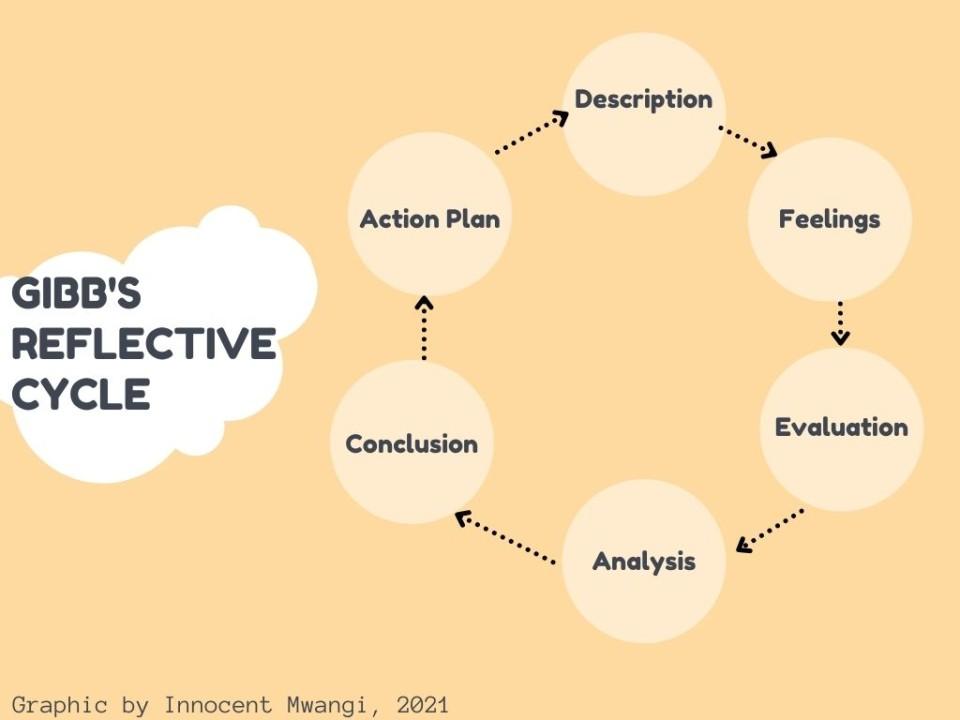
The Gibbs Reflective Cycle is a powerful tool for students and professionals alike, enabling them to learn from their experiences through structured reflection. Originally developed by Graham Gibbs, this model is widely used in healthcare, education, and other fields to analyze situations, understand emotions, and improve future actions. In healthcare, the Gibbs Reflective Cycle is particularly valuable for students and practitioners to reflect on clinical experiences, patient interactions, and decision-making processes. By breaking down experiences into six stages, this cycle helps individuals gain deeper insights, enhance their skills, and deliver better outcomes..
What is the Gibbs Reflective Cycle?
The Gibbs Reflective Cycle is a six-stage framework designed to guide individuals through the process of reflection. Each stage encourages a deeper understanding of an experience, helping individuals identify what went well, what could be improved, and how to apply these lessons in the future. The six stages are:
-
Description – What happened?
-
Feelings – What were your thoughts and emotions?
-
Evaluation – What was good or bad about the experience?
-
Analysis – What sense can you make of the situation?
-
Conclusion – What else could you have done?
-
Action Plan – What will you do differently next time?
This structured approach ensures that reflection is not just a passive activity but an active process that leads to personal and professional growth.
How to Use the Gibbs Reflective Cycle in Healthcare
For students in healthcare, the Gibbs Reflective Cycle is an invaluable tool for reflecting on clinical placements, patient interactions, and teamwork experiences. Here’s how you can apply each stage in a healthcare context:
1. Description
Begin by describing the situation in detail. For example, if you’re reflecting on a patient consultation, note the patient’s condition, your role, and the outcome. Be objective and stick to the facts.
Example: “During my clinical placement, I assisted in a routine check-up for a diabetic patient. I was responsible for taking their blood pressure and recording their medical history.”
2. Feelings
Reflect on your emotions and thoughts during the experience. Were you nervous, confident, or unsure? Acknowledging your feelings helps you understand how they influenced your actions.
Example: “I felt anxious because it was my first time interacting with a patient independently. I was worried about making mistakes.”
3. Evaluation
Evaluate the positive and negative aspects of the experience. What went well, and what could have been better? This stage helps you identify strengths and areas for improvement.
Example: “The patient was cooperative, which made the process smoother. However, I struggled to explain the importance of regular blood sugar monitoring clearly.”
4. Analysis
Analyze the situation to understand why things happened the way they did. Consider theories, models, or guidelines that could explain the outcome.
Example: “I realized that my lack of confidence stemmed from insufficient preparation. I could have reviewed patient education materials beforehand to communicate more effectively.”
5. Conclusion
Summarize what you’ve learned from the experience. What could you have done differently, and what insights have you gained?
Example: “I learned that preparation is key to effective patient communication. I also realized the importance of staying calm under pressure.”
6. Action Plan
Finally, create a plan for how you’ll handle similar situations in the future. This step ensures that your reflection leads to actionable improvements.
Example: “Next time, I will review relevant patient education materials before consultations and practice explaining medical concepts in simple terms.”
Benefits of Using the Gibbs Reflective Cycle in Healthcare
The Gibbs Reflective Cycle offers numerous benefits for healthcare students:
-
Improved Self-Awareness: By reflecting on your emotions and actions, you gain a better understanding of your strengths and weaknesses.
-
Enhanced Critical Thinking: The cycle encourages you to analyze situations deeply, fostering critical thinking skills.
-
Better Patient Care: Reflecting on patient interactions helps you identify ways to improve communication and care delivery.
-
Professional Growth: Regular reflection supports continuous learning and development, which is essential in healthcare.
-
Emotional Resilience: Acknowledging and processing your emotions helps you build resilience and cope with challenging situations.
FAQs About the Gibbs Reflective Cycle
1. What is the purpose of the Gibbs Reflective Cycle?
The Gibbs Reflective Cycle is designed to help individuals reflect on their experiences in a structured way. It encourages self-awareness, critical thinking, and continuous improvement, making it particularly useful for students and professionals in healthcare.
2. How is the Gibbs Reflective Cycle used in healthcare?
In healthcare, the Gibbs Reflective Cycle is used to reflect on clinical experiences, patient interactions, and teamwork. It helps students and practitioners analyze their actions, identify areas for improvement, and enhance their skills.
3. Can the Gibbs Reflective Cycle be used for group reflection?
Yes, the Gibbs Reflective Cycle can be adapted for group reflection. Teams can use it to analyze shared experiences, discuss different perspectives, and develop collective action plans.
4. How often should I use the Gibbs Reflective Cycle?
The frequency of using the Gibbs Reflective Cycle depends on your needs. Healthcare students may use it after each clinical placement or significant patient interaction, while professionals might use it periodically to reflect on their practice.
5. What are the challenges of using the Gibbs Reflective Cycle?
Some challenges include finding time for reflection, being honest about your emotions, and translating insights into actionable changes. However, with practice, these challenges can be overcome, and the benefits far outweigh the difficulties.
Conclusion
The Gibbs Reflective Cycle is a practical and effective tool for students to learn from their experiences, especially in healthcare. By following its six stages, you can gain valuable insights, improve your skills, and deliver better patient care. Whether you’re reflecting on a clinical placement, a patient interaction, or a teamwork experience, this model provides a structured approach to personal and professional growth.
As you continue your journey in healthcare, make reflection a regular practice. Use the Gibbs Reflective Cycle to turn every experience into an opportunity for learning and improvement. By doing so, you’ll not only enhance your own skills but also contribute to better outcomes for your patients.

 English
 Arabic
 Français
 Español
 Português
 Deutsch
 Dutch
Dutch
 Italiano
 Russian
 Romaian