


Troubleshooting a Faulty Well Measurement Sensor
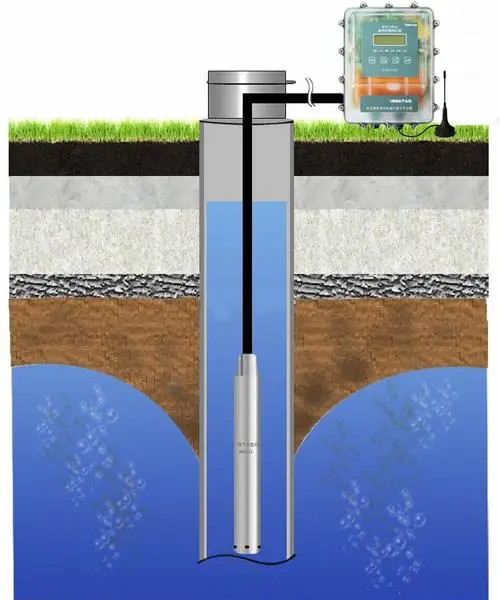
Sensors are necessary for accurate determination of groundwater level, allowing appropriate water management along with determining any problem at an early stage. Nevertheless, sensors sometimes do not work, giving wrong results or nothing. In this blog post, we'll discuss common problems with well measurement sensors as well as show you how to easily troubleshoot your sensor to get it working again.
Common Issues with Well Measurement Sensors
1. Inaccurate Readings
Inaccurate readings are a general problem with well measurement sensors. This may be caused by several reasons such as calibration faults, environmental changes, or sensor drift.
Troubleshooting Tips:
-
Calibration Check: Check if the sensor is correctly calibrated. Faults in calibration can lead to reading errors of large value.
-
Environmental Conditions: Look for any change in the environmental conditions like temperature, humidity, or any other parameter which could affect the operation of the sensor.
-
Sensor Cleaning: Wipe the sensor and check it to eliminate any dust or dirt that could be affecting its accuracy.
2. Excessive Response Time
Too slow a sensor to respond to water level variation can be problematic, especially for real-time systems.
Troubleshooting Tips:
-
Installation Check: Ensure the sensor is installed and securely mounted. Installation errors result in sluggish response times.
-
Signal Interference: Try to locate the source of electromagnetic interference, for example, near other electrical devices, which can be disrupting the sensor signal.
-
Firmware Update: Locate firmware updates to the sensor which can prove useful in enhancing performance.
3. Zero Drift
Zero drift is where there is variation from the output of the sensor when the input signal does not vary. The root cause in this case would typically be temperature, humidity, or aging.
Troubleshooting Tips
-
Temperature Compensation: Make sure that the temperature compensation capabilities of the sensor are active, if they exist.
-
Humidity Control: Keep the environment surrounding the sensor free from excessive humidity and regulate it.
-
Component Check: Inspect the sensor for any indication of component wear or damage that might be the source of the drift.
4. Signal Interference
Distortion of the sensor signal due to external electromagnetic interference can result in an incorrect reading.
Troubleshooting Tips
-
Shielding: The sensor and cables should be shielded to minimize interference.
-
Grounding: Ensure that the grounding of the sensor and associated equipment is proper and secure.
-
Distance from Interference Sources: Place the sensor away from electromagnetic interference sources, like big motors or high-voltage transmission lines.
5. Mechanical Damage
Physical destruction to the sensor or the components thereof will result in breakdown.
Troubleshooting Tips
-
Visual Check: Check the sensor for readily apparent damage including cracks, warping, or corrosion.
-
Mechanical Stability: Secure the sensor tightly and prevent excessive movement or vibration.
-
Replacement: Replace the sensor or damaged parts in the case of severe damage.
-
General Maintenance Tips
Regular Calibration
Calibrate your well measurement sensors on a regular basis to ensure accurate reading. Calibration needs to be carried out as per the manufacturer's guidelines.
Environmental Monitoring
Monitor environmental conditions near the sensor, including temperature, humidity, and vibration.
Verify that the conditions are within the specified operational range for the sensor.
Firmware Updates
Maintain the firmware of the sensor at the latest level.The companies release patches that improve performance and correct known issues.
Professional Services
If you’re unable to resolve the issue on your own, consider seeking professional help. Companies like Pinnacle offer well measurement solutions and services that can provide expert troubleshooting and maintenance.
Conclusion
Troubleshooting a faulty well measurement sensor is not easy, but by employing the proper method, you can readily diagnose and fix common failures.
With the tips of troubleshooting as mentioned above, you can ensure your sensor gives accurate and consistent measurements. Good maintenance, accurate calibration, and monitoring environmental conditions are major aspects in extending the life and functionality of your well measurement sensor.

 Arabic
 Français
 Español
 Português
 Deutsch
 Türkçe
 Dutch
Dutch
 Italiano
 Russian
 Romaian