


Alloy 20 Pipe – A Complete Guide to Its Features and Uses
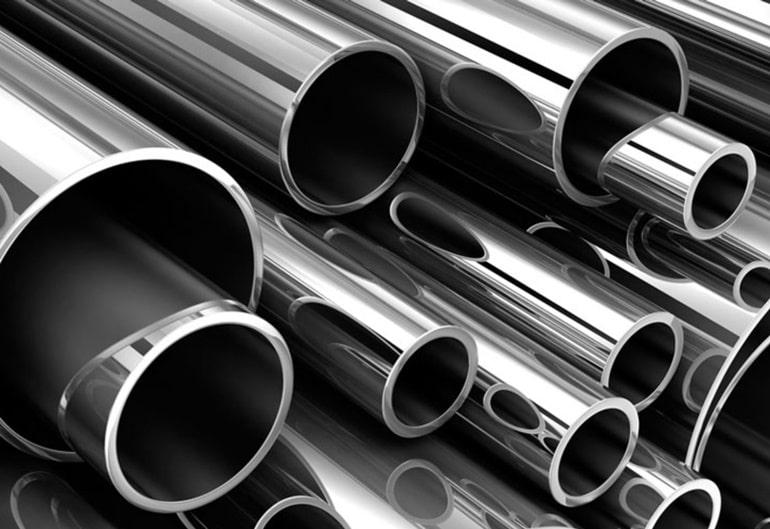
When industries face highly corrosive environments, one material that stands out is Alloy 20 Pipe. Known for its superior resistance to acids, especially sulfuric acid, Alloy 20 has earned a reputation as a dependable and durable piping solution.
In this blog, we’ll break down what Alloy 20 is, the unique properties of Alloy 20 Pipe, its industrial applications, benefits, and everything else you need to know before choosing it for your next project.
What is Alloy 20?
Alloy 20, also known as Carpenter 20 or UNS N08020, is an austenitic alloy made primarily of nickel, iron, and chromium. It also contains copper and molybdenum to enhance its corrosion resistance. This blend makes it exceptionally resistant to acidic environments, particularly sulfuric acid, making it ideal for chemical processing and related industries.
Unlike conventional stainless steels, Alloy 20 resists pitting, crevice corrosion, and chloride-induced stress corrosion cracking.
Chemical Composition of Alloy 20
-
Nickel: 32–38%
-
Chromium: 19–21%
-
Iron: Balance
-
Copper: 3–4%
-
Molybdenum: 2–3%
-
Niobium (Columbium): For stabilization against sensitization
This unique composition ensures long-term performance, even in the most demanding industrial environments.
Why Choose Alloy 20 Pipe?
Choosing Alloy 20 Pipe means you are prioritizing quality, longevity, and corrosion resistance. Here’s why many industries prefer it:
1. Outstanding Corrosion Resistance
Alloy 20 performs exceptionally in aggressive chemical environments. It resists sulfuric acid, nitric acid, phosphoric acid, and chlorides—conditions where many other materials fail.
2. Durability in Acidic and Salty Conditions
It’s ideal for environments where piping is exposed to salt water, brine, or acidic solutions. This makes it a great choice for both chemical and marine applications.
3. High Strength and Toughness
Alloy 20 Pipe maintains its strength at high temperatures and in pressure-driven systems, making it perfect for heat exchangers and reactors.
4. Ease of Fabrication
The material is easy to weld and form, which adds to its convenience for engineers and fabricators.
Available Forms of Alloy 20 Pipe
You can find Alloy 20 Pipe in different types and shapes, including:
-
Seamless Pipes – Ideal for high-pressure systems and smooth fluid flow
-
Welded Pipes – Economical and widely used for less critical applications
-
Round Pipes – Common in most installations
-
Custom Fabricated Pipes – Manufactured to meet specific dimensional needs
These options make Alloy 20 a versatile material that can fit multiple piping system requirements.
Applications of Alloy 20 Pipe
1. Chemical Processing Plants
Alloy 20 Pipe is a favorite in chemical processing units where harsh acids like sulfuric acid are handled. It is used in piping, tanks, valves, and pumps.
2. Pharmaceuticals
In the pharmaceutical industry, cleanliness and corrosion resistance are essential. Alloy 20’s non-reactive nature makes it a great choice for transporting sensitive ingredients.
3. Food and Beverage
Its non-toxic and corrosion-resistant properties make it suitable for breweries, food plants, and dairies.
4. Pulp and Paper Industry
The chemicals used in bleaching and pulping can be extremely aggressive. Alloy 20 resists the harsh effects of these processes.
5. Marine Environments
Alloy 20 can endure salty and humid environments, making it a practical material for marine piping, offshore platforms, and desalination plants.
Advantages of Alloy 20 Pipe
Here are some reasons why engineers and designers choose Alloy 20 Pipe:
-
Excellent resistance to sulfuric acid
-
Resists pitting and crevice corrosion
-
Handles high pressure and temperature well
-
Stable mechanical properties
-
Extended lifespan in harsh environments
-
Reduces downtime and maintenance costs
-
Compatible with multiple fabrication techniques
Industry Standards and Specifications
Before purchasing, it’s crucial to verify that the Alloy 20 Pipe meets international standards:
-
ASTM B729 – Seamless Pipe
-
ASTM B464 – Welded Pipe
-
ASME SB729/SB464 – Pressure Vessel Standards
-
UNS N08020 – Standard Material Designation
Standardization ensures reliability, safety, and interchangeability for global use.
Things to Consider Before Buying Alloy 20 Pipe
Here are a few factors you should evaluate:
1. Application Requirements
Know the chemicals and temperatures involved in your project. This will help you choose the right grade and pipe type.
2. Seamless or Welded
Choose seamless pipes for high-pressure or high-purity applications. Use welded pipes for general service and lower-cost needs.
3. Dimensions and Tolerances
Ensure you get the exact thickness, diameter, and length for your system. Custom lengths are available on request.
4. Manufacturer Credentials
Work with a reliable supplier or manufacturer who offers certified products and quality assurance.
Maintenance and Handling
Alloy 20 Pipe is low-maintenance but still needs basic care:
-
Avoid exposure to mixed acids unless approved
-
Use compatible gaskets and fittings
-
Store in a dry place to avoid external contamination
-
Conduct regular inspections in corrosive environments
Proper handling extends the life of the pipe and improves performance over time.
Conclusion
Alloy 20 Pipe offers the perfect combination of strength, corrosion resistance, and versatility. It’s engineered to perform under harsh conditions, particularly in the presence of sulfuric acid and chlorides. Whether you're setting up a chemical plant or upgrading your food processing line, Alloy 20 Pipe provides durability and peace of mind.

 English
 Arabic
 Français
 Español
 Português
 Deutsch
 Türkçe
 Dutch
Dutch
 Italiano
 Russian