


How Chemical Peels Work: The Science Explained
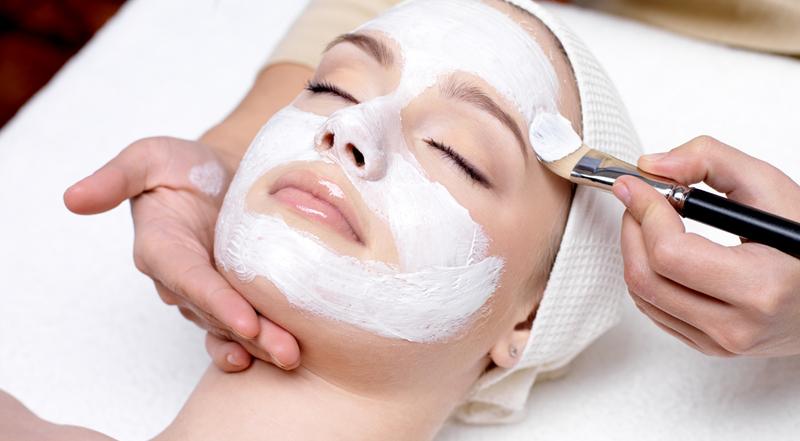
Chemical peels have become a popular choice for individuals looking to revitalize their skin, offering a solution to a wide array of concerns like acne, fine lines, and hyperpigmentation. In Dubai, where the skincare market is thriving, many are curious about the Chemical Peels Cost in Dubai, yet understanding the science behind how these treatments work is essential before making any decisions. So, what exactly happens during a chemical peel, and how does it improve the texture and appearance of your skin? Let’s dive into the fascinating process and reveal how these treatments deliver such remarkable results.
What is a Chemical Peel?
A chemical peel is a skincare treatment that uses a special blend of acids or chemicals to exfoliate and remove the damaged outer layers of the skin. This controlled exfoliation allows fresh, new skin to surface, which improves the overall texture, tone, and clarity. The procedure can vary in strength—from superficial peels that only affect the outermost layer to deep peels that target deeper layers of the skin. Regardless of the type, the goal is to rejuvenate the skin by encouraging it to shed its old, damaged cells and promote the growth of healthier skin underneath.
The Science Behind Chemical Peels
At the core of a chemical peel is the concept of controlled skin injury. The acid or chemical solution used in the treatment works by breaking down the bonds between dead skin cells on the outer layer (the epidermis). This process induces a peeling effect, revealing smoother, brighter skin underneath. Depending on the type of peel, the depth of penetration can vary, but all peels stimulate the skin’s natural healing response, triggering the production of collagen and elastin—two vital components responsible for youthful, firm skin.
-
Superficial Peels: These peels are typically made with mild acids, like alpha-hydroxy acids (AHAs) or beta-hydroxy acids (BHAs). They target only the outer layer of the skin, removing dead cells and improving skin texture with minimal downtime. Superficial peels are commonly used to treat issues like mild acne, dryness, and uneven skin tone.
-
Medium Peels: These peels go deeper, reaching the epidermis and part of the dermis, and are often used to treat more stubborn concerns like sun damage, fine lines, and moderate acne scarring. Trichloroacetic acid (TCA) is one of the most common ingredients in medium-depth peels, and it helps to remove damaged skin while stimulating collagen production beneath the surface.
-
Deep Peels: Deep peels penetrate deeper layers of the skin and are used for more intense concerns like deep wrinkles, severe sun damage, or prominent scars. These peels typically use stronger acids such as phenol, which cause more significant exfoliation and require a longer recovery time but deliver impressive results.
Benefits of Chemical Peels
Chemical peels aren’t just about peeling skin—they offer a multitude of benefits that can transform the way you look and feel. Here are some of the key advantages:
-
Improved Skin Texture: By removing the outer layers of damaged skin, chemical peels help to reveal smoother, more even skin.
-
Reduction in Fine Lines and Wrinkles: As chemical peels stimulate collagen production, they can reduce the appearance of fine lines, particularly around the eyes and mouth.
-
Acne Treatment: Peels can help unclog pores, reduce acne breakouts, and minimize scarring.
-
Hyperpigmentation Treatment: Sun spots, age spots, and melasma can be lightened or even eliminated with the right chemical peel.
-
Smoother Skin Tone: Whether due to sun exposure, acne, or aging, chemical peels help even out skin tone, leaving your complexion brighter and more radiant.
The Healing Process: What to Expect After a Chemical Peel
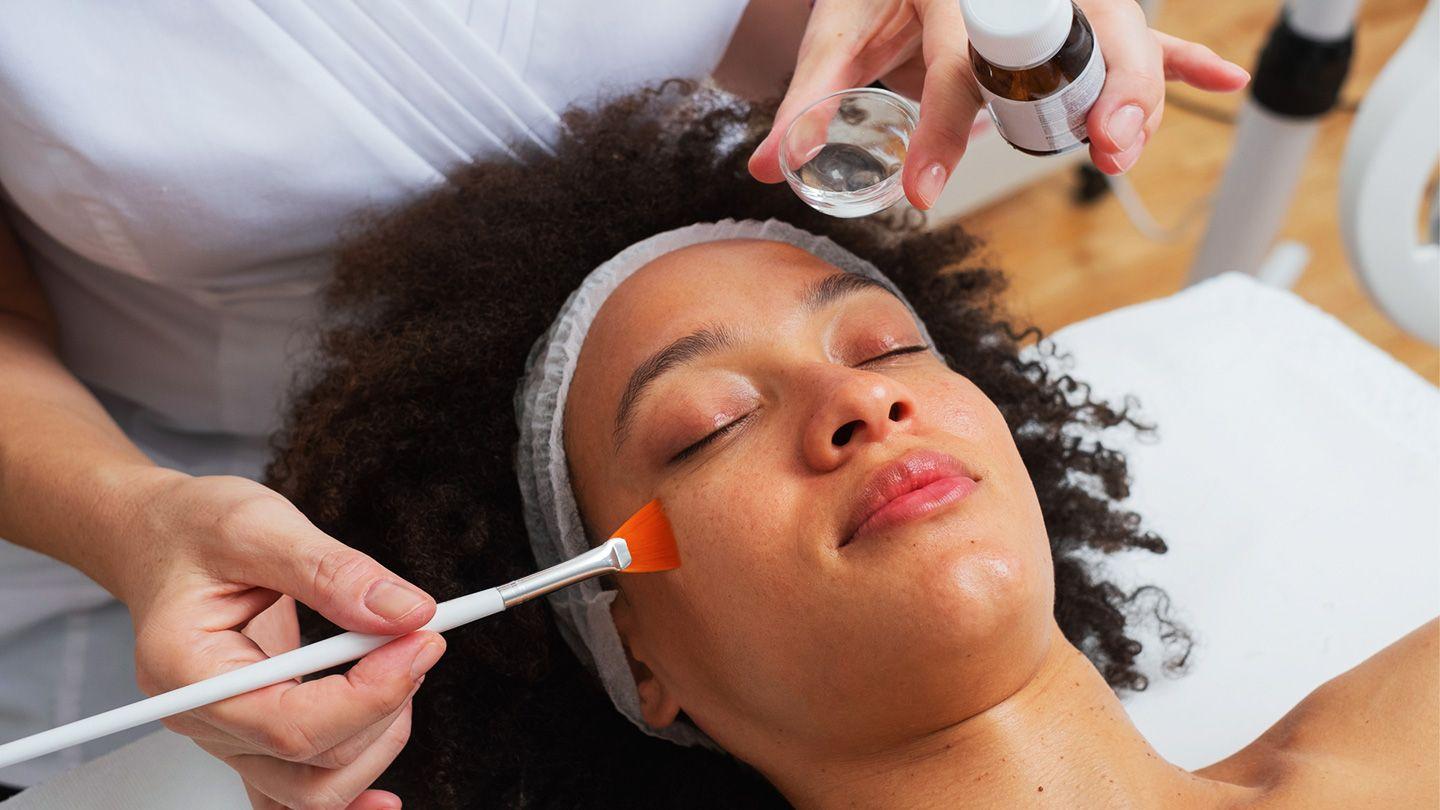
After undergoing a chemical peel, the skin requires some time to heal. The downtime depends on the depth of the peel, with superficial peels requiring little recovery time, while deeper peels may cause redness, swelling, and peeling for a few days to a week. It’s crucial to follow post-treatment care instructions, such as applying moisturizers and sunscreen, to protect the skin and ensure optimal healing. Over time, as the skin regenerates, the improvements will become more noticeable, with smoother, healthier skin emerging.
Final Thoughts on Chemical Peels
Chemical Peels Dubai are a tried-and-true method of skin rejuvenation that can provide significant, long-lasting benefits. Whether you’re dealing with acne scars, uneven skin tone, or the natural signs of aging, a chemical peel offers a powerful solution to refresh and revitalize your complexion. Understanding how the process works can help you make informed decisions, ensuring you’re prepared for what’s involved and what to expect. If you're considering this treatment in places like Dubai, where the beauty industry is booming, knowing the options available can help you achieve the glowing, youthful skin you’ve always wanted.

 English
 Français
 Español
 Português
 Deutsch
 Türkçe
 Dutch
Dutch
 Italiano
 Russian
 Romaian