


How Technology Is Changing Wisdom Tooth Surgery
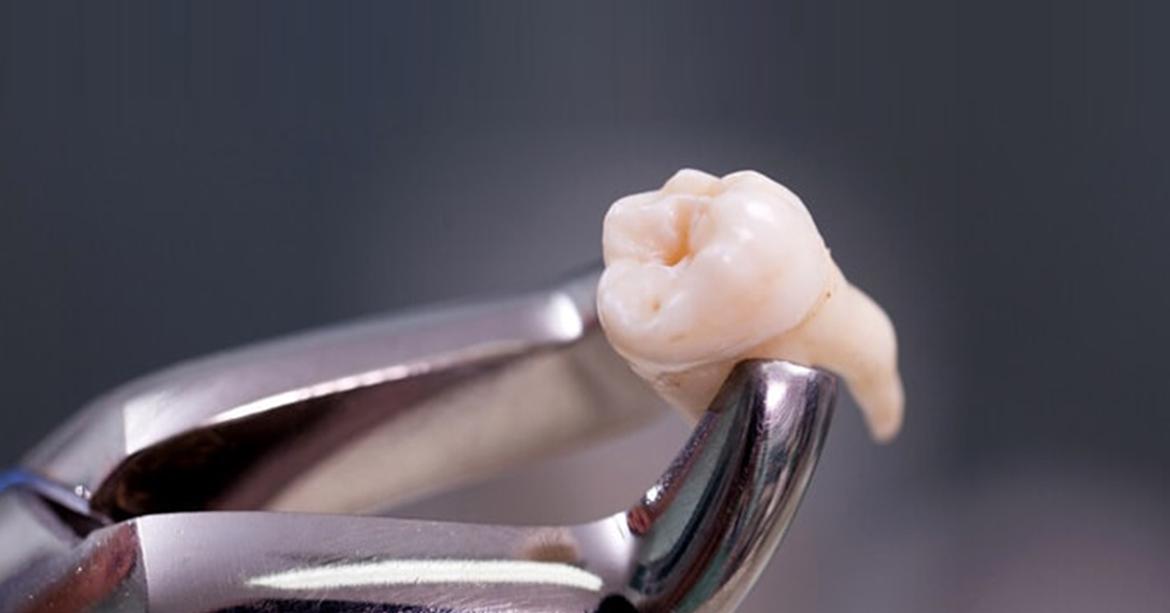
Wisdom tooth surgery has long been a routine yet anxiety-inducing dental procedure, often associated with discomfort and extended recovery times. However, recent technological advancements have revolutionized every stage of treatment—from diagnosis to post-operative care. Patients seeking wisdom tooth extraction in Dubai are now benefiting from innovations that improve surgical precision, reduce pain, and speed up recovery. These developments are transforming both the patient experience and clinical outcomes in profound ways.
Advanced Imaging for Precise Diagnosis:
Accurate diagnosis is the foundation of successful wisdom tooth surgery, and modern imaging tools have significantly elevated this process. Traditional two-dimensional X-rays are increasingly being replaced by 3D cone-beam computed tomography (CBCT). This advanced imaging technique provides detailed visuals of the jawbone, nerves, and tooth roots, allowing dentists and oral surgeons to plan the extraction with remarkable accuracy. CBCT scans help identify the exact position and angle of impacted wisdom teeth, assess bone density, and locate nearby nerves, minimizing the risk of complications during surgery. With enhanced diagnostics, treatment is safer, faster, and more predictable.
Digital Treatment Planning:
Beyond diagnostics, digital technology enables dentists to create comprehensive treatment plans tailored to each patient’s anatomy. Using computer-aided design (CAD) software, oral surgeons can simulate the entire surgical process before a single incision is made. This digital planning allows for precise mapping of the extraction route, helping to anticipate potential challenges such as deeply rooted or tilted wisdom teeth. For complex cases, 3D-printed surgical guides can be created to ensure accurate incisions and tooth removal. These tools reduce surgical time, improve efficiency, and contribute to better post-operative outcomes.
Minimally Invasive Surgical Techniques:
Minimally invasive approaches are becoming the standard in modern wisdom tooth surgery, greatly reducing trauma to surrounding tissues. With the help of surgical microscopes and high-precision tools, oral surgeons can perform extractions with smaller incisions and less tissue disruption. Techniques such as piezosurgery—an ultrasonic bone cutting technology—allow for delicate removal of bone without damaging soft tissues or nerves. This method is especially useful in cases where the tooth is close to critical structures like the inferior alveolar nerve. By reducing invasiveness, these techniques lead to shorter recovery periods and significantly lower discomfort.
Laser-Assisted Procedures:
Dental lasers are playing an increasingly prominent role in wisdom tooth surgery. Soft tissue lasers can be used to remove gum tissue covering partially erupted teeth, minimizing bleeding and reducing the risk of infection. Some practices are also incorporating laser technology for disinfecting the surgical site and promoting tissue regeneration. Lasers are valued for their ability to cauterize blood vessels while cutting, which limits swelling and speeds up healing. In specific scenarios, laser-assisted extractions may also eliminate the need for sutures, contributing to a cleaner and more comfortable post-operative experience.
Enhanced Anesthesia and Sedation Options:
Technological advancements have improved the administration and monitoring of anesthesia, making surgery safer and more comfortable for patients. In addition to traditional local anesthesia, many clinics offer intravenous (IV) sedation or conscious sedation tailored to the patient’s needs. Real-time monitoring systems track vital signs with precision, ensuring a safe surgical environment. Intraosseous anesthesia delivery systems allow for more localized and effective numbing without affecting broader areas of the face, reducing lingering numbness post-surgery. These innovations make the procedure more approachable for anxious patients and ensure smoother intraoperative experiences.
AI and Machine Learning in Predictive Analysis:
Artificial intelligence is beginning to influence the way dental professionals assess and manage wisdom tooth cases. By analyzing thousands of patient records and radiographs, machine learning algorithms can predict the likelihood of complications such as nerve damage, infection, or prolonged healing times. These insights help dentists make evidence-based recommendations for extraction and customize recovery protocols. AI-driven systems can also suggest the optimal timing for removal, especially in teenagers and young adults, based on jaw development and tooth positioning. Although still emerging, these tools are reshaping clinical decision-making in dental surgery.
Post-Operative Monitoring and Care:
Technology is not only transforming the surgery itself but also the recovery process. Patients can now receive personalized post-operative care through mobile apps and remote monitoring systems. Some platforms allow for real-time communication with the dental team, ensuring that concerns such as unusual swelling or pain are addressed promptly. Instructions for wound care, medication reminders, and progress tracking can be delivered digitally, improving adherence and outcomes. In more advanced practices, wearable devices are used to monitor biometric data such as temperature and heart rate, offering early detection of infection or complications.
Regenerative Medicine and Healing Acceleration:
Innovations in regenerative medicine are enhancing the body’s ability to heal after wisdom tooth surgery. Platelet-rich fibrin (PRF), a natural healing agent derived from the patient’s own blood, can be applied to the extraction site to accelerate tissue repair and reduce the risk of dry socket. PRF contains growth factors that promote the formation of new blood vessels and bone tissue, leading to faster and more comfortable recovery. This technique is gaining traction in high-end clinics and represents the integration of biotechnology with traditional dental surgery.
Final Thoughts:
The landscape of wisdom tooth surgery is evolving rapidly, with technology leading the way toward safer, more efficient, and more comfortable procedures. For patients undergoing wisdom tooth extraction in Dubai, these innovations mean fewer complications, reduced downtime, and enhanced surgical precision. From advanced imaging to laser-assisted techniques and AI-driven planning, modern dentistry is redefining what patients can expect from oral surgery. As dental practices continue to adopt cutting-edge tools and methods, the future of wisdom tooth extraction promises not only clinical excellence but a significantly improved patient experience.

 Arabic
 Français
 Español
 Português
 Deutsch
 Türkçe
 Dutch
Dutch
 Italiano
 Russian
 Romaian