


Common ENT Procedures That Require Prior Authorization & How to Handle Them
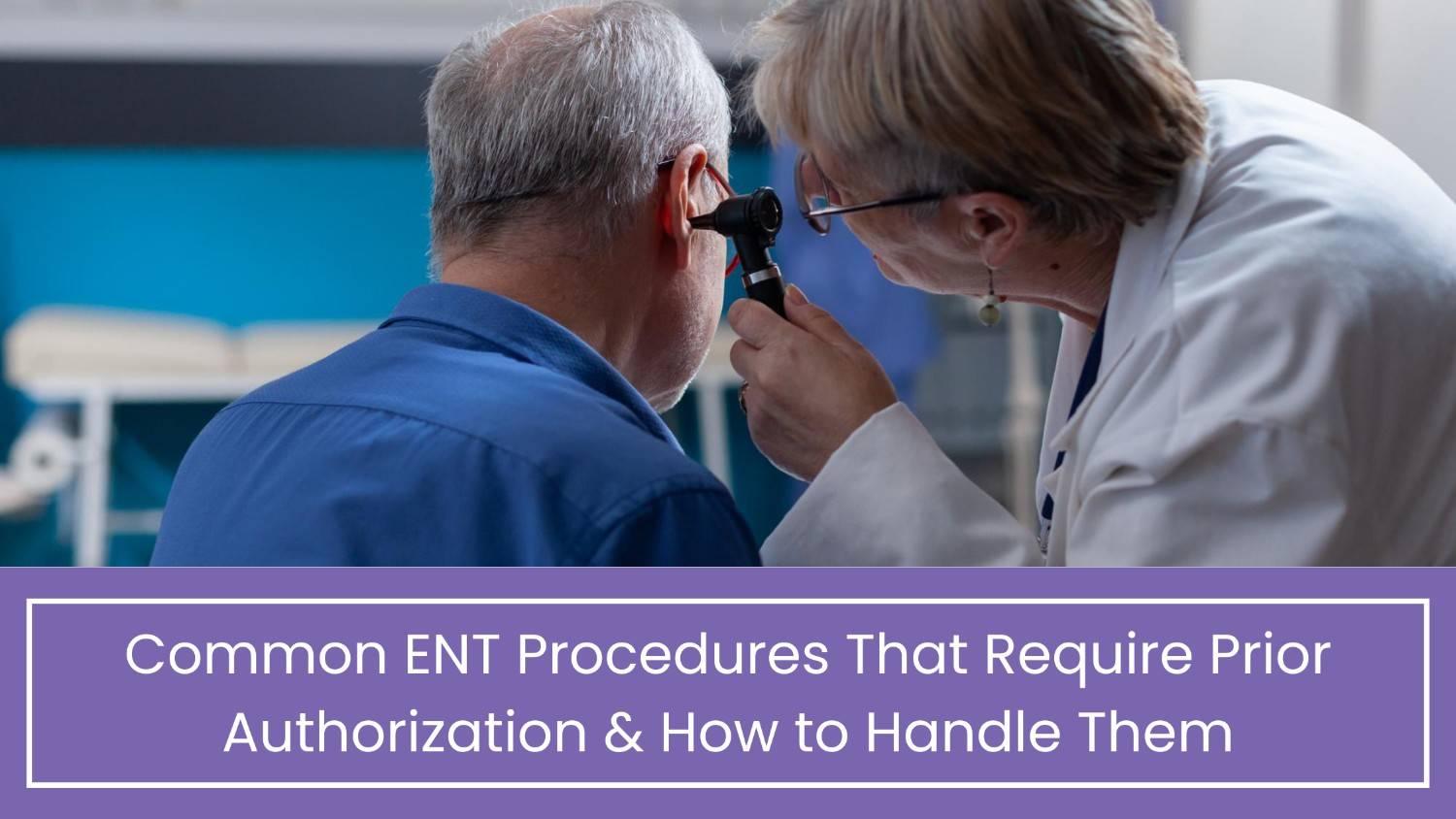
In the world of otolaryngology (ENT), prior authorization (PA) has become a critical—and often frustrating—part of the revenue cycle. Insurers increasingly require approval before covering many diagnostic tests, surgeries, and even certain medications. ENT practices must navigate this process efficiently to avoid claim denials, delayed care, and staff burnout. That’s where prior authorization services for ENT come into play, helping streamline approvals and reduce administrative stress.
Common ENT Procedures That Often Require Prior Authorization
Here are some of the most frequently flagged ENT procedures that require prior authorization from commercial and government payers:
1. CT and MRI Imaging (Sinus, Neck, Temporal Bone)
High-cost imaging procedures, especially those related to chronic sinusitis or hearing loss workups, often require pre-approval. Insurance companies want proof that conservative treatment has failed before authorizing advanced imaging.
2. Septoplasty and Turbinate Reduction
These nasal surgeries are commonly performed to improve breathing but are sometimes viewed by insurers as elective. Insurers typically require documentation of chronic nasal obstruction, failed medical management, and diagnostic evidence (e.g., nasal endoscopy or CT scan).
3. Tonsillectomy and Adenoidectomy
Especially for pediatric patients, prior authorization is usually necessary. Insurers want evidence of recurrent infections or obstructive sleep apnea (OSA) documented by sleep studies or clinical history.
4. Balloon Sinuplasty
As a relatively newer technique, balloon sinuplasty often gets flagged. Payers may require documentation of sinusitis confirmed by imaging and proof of failed medical therapy.
5. Sleep Studies (Polysomnography)
These are essential for diagnosing OSA and other sleep disorders. Prior authorization is almost always required, with insurers seeking documentation of sleep-related symptoms and possibly a trial of home sleep testing.
6. Hearing Aids and Cochlear Implants
Coverage for hearing devices varies by payer, but most require prior authorization—especially for cochlear implants. Audiologic evaluations, hearing loss severity, and documented functional impairment are essential to approval.
7. Endoscopic Sinus Surgery
Insurance plans often require imaging results and documentation of chronic sinusitis symptoms over a specified duration before approving endoscopic interventions.
Why Prior Authorization Matters
Failure to secure prior authorization can result in:
-
Denied claims that impact revenue.
-
Delays in patient care, affecting satisfaction and outcomes.
-
Increased administrative workload, leading to staff burnout.
Given that many ENT procedures involve a mix of diagnostics, imaging, and surgery, the need for prior authorization can affect multiple points in the care continuum.
How to Handle Prior Authorization Efficiently
Managing prior authorizations doesn’t have to overwhelm your ENT practice. Here are some effective strategies to streamline the process:
1. Create a Prior Authorization Checklist by CPT Code
Build a running list of CPT codes for procedures that consistently require prior authorization by payer. Use this as a quick-reference guide for your medical billing or front office staff when scheduling.
2. Use Dedicated Staff or a Virtual Assistant
Assign a dedicated staff member—or use a virtual medical assistant (VMA)—to manage all PA tasks, including gathering documentation, submitting requests, and following up. VMAs can track submissions, manage insurer portals, and free up your in-office team.
3. Invest in Automation Tools
Several EHRs and RCM software platforms now include automated prior authorization modules. These tools can trigger PA requirements based on diagnosis codes and help submit requests electronically, reducing turnaround time.
4. Document Thoroughly and Preemptively
Make sure your clinical notes justify the medical necessity of the proposed procedure. Use standard templates for documentation, including symptom duration, prior treatments, and imaging findings.
5. Track PA Status in Real-Time
Use a centralized dashboard to track pending authorizations, denials, and approvals. Color-coded systems or alert features can help ensure no request slips through the cracks.
6. Appeal Denials Promptly
If a request is denied, act fast. Use your clinical documentation to support the appeal and provide peer-reviewed literature when needed. Persistent follow-up can often overturn initial denials.
7. Educate Patients
Let patients know in advance that some procedures may be subject to insurance approval. Provide clear information on possible delays and get signed consent acknowledging that the patient may be responsible for costs if authorization is denied.
Conclusion
Prior authorization may be a necessary burden in ENT practice, but it doesn't have to be a bottleneck. By proactively identifying which procedures require PA and implementing smart workflows, ENT practices can improve approval rates, minimize delays, and ensure patients receive timely care. Leveraging dedicated personnel or virtual assistants, automating processes, and ensuring bulletproof documentation are essential tools in your practice’s arsenal to handle prior authorizations efficiently and effectively.

 Arabic
 Français
 Español
 Português
 Deutsch
 Türkçe
 Dutch
Dutch
 Italiano
 Russian
 Romaian