


Warning Signs Your Car Engine Oil Needs Changing
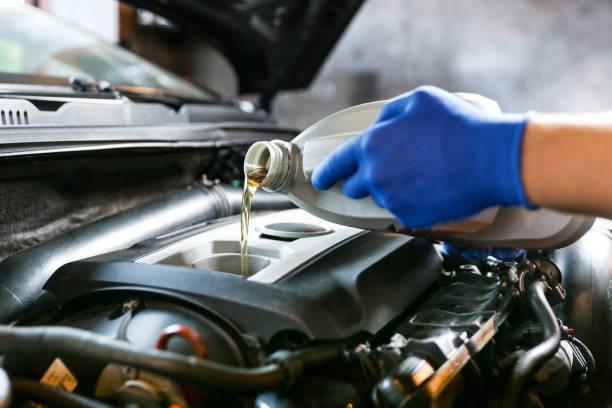
Most drivers know oil changes matter. But knowing when to actually get one? That's where things get fuzzy. The old "every 3,000 miles" rule has been outdated for years, and your car isn't always going to flash a warning light before something goes seriously wrong. Plenty of people push past the safe window without realizing it, and the engine pays for it later. If you're not sure where your vehicle stands, getting proper Oil Change Services in Iowa City IA before small signs turn into big problems is the smartest move you can make. This article walks you through what to watch for, what the signs actually mean, and why some driving habits age your oil faster than you'd expect.
How Engine Oil Works (And Why It Doesn't Last Forever)
Oil does a few jobs at once. It lubricates moving metal parts, pulls heat away from the engine, and carries tiny contaminants down to the oil filter. Pretty busy stuff. But over time and miles, it breaks down. Heat cycles cause the oil's base molecules to degrade, and combustion byproducts like soot, acids, and moisture work their way into the oil supply and contaminate it. Fresh oil is amber and slightly transparent. Old, used oil turns dark brown or black and gets thicker, sometimes gritty.
Once oil degrades past a certain point, it can't do its job properly. Metal parts start grinding against each other with less cushion between them. That friction builds heat, and heat accelerates wear. It's a cycle that gets worse fast if you ignore it long enough.
According to motor oil research on Wikipedia, oil viscosity and additive packages both break down with use, which is why the oil's condition matters just as much as the mileage on the clock.
The Warning Signs You Shouldn't Brush Off
Dark or Gritty Oil on the Dipstick
Pull your dipstick and wipe it on a white paper towel. Clean oil looks amber and mostly clear. If what you see is nearly black, opaque, or feels gritty between your fingers, your oil is done. This is the simplest check you can do at home, and it takes about ninety seconds. Lots of people never do it. Don't be that person.
Gritty texture is especially worth paying attention to. That means metal particles or heavy soot have accumulated in the oil, and those particles are now circulating through your engine every time you turn the key. Not great.
A Burning Smell Inside the Cabin
If you catch a sharp, acrid burning smell while driving, especially with the heat or vents running, don't ignore it. That smell usually means oil is either leaking onto hot engine components or it's so degraded it's starting to burn off inside the engine itself. Either way, it's a sign something needs attention now, not next week.
Unusual Engine Noise or Knocking
A healthy engine is quiet. Relatively, anyway. If you start hearing a low knocking or ticking sound that wasn't there before, that's often your engine telling you the oil film between moving parts is too thin or too dirty to do its job. Knocking specifically can signal that the crankshaft bearings aren't getting enough lubrication. That's not a cheap fix if you let it go.
What the Warning Lights Are Actually Telling You
Two lights matter here. The oil pressure light (usually looks like a little oil can) means your engine isn't getting enough oil pressure right now. That's an immediate stop-the-car situation. Driving on low oil pressure for even a few minutes can cause serious engine damage. Pull over, check your oil level, and don't restart until you know what's going on.
The check engine light is trickier. It can mean dozens of things, but a degraded oil condition or a sensor reading related to oil quality is absolutely one of them. Don't assume it's nothing. Get it read with a diagnostic scanner. Most shops will do that for free.
Some newer vehicles also have an oil life monitoring system that calculates when an oil change is due based on your actual driving patterns, not just mileage. If that light comes on, it's not a suggestion. It means now.
How Your Driving Habits Age Your Oil Faster
Here's something most people don't think about. Short trips are brutal on engine oil. When you drive less than five miles at a stretch, the engine doesn't fully warm up, and moisture from combustion condenses in the oil instead of burning off. Do that every day and your oil degrades much faster than the mileage number suggests.
Towing, hauling heavy loads, and stop-and-go city driving all put extra thermal stress on the oil too. Your engine works harder, runs hotter, and the oil cycles through more abuse per mile. If you're running Auto Oil Change Services in Iowa City IA on a standard interval but doing hard driving every day, you're probably pushing it too long between changes.
Harris Boyz Auto Repair Shop is one option local drivers use when they want someone who actually looks at the vehicle rather than just punching in a mileage number and calling it done. Worth knowing about if you're in the area.
Extreme cold matters too. Cold starts are hard on oil because it takes a minute or two before the oil warms up and flows properly through the engine. Iowa winters are no joke, and frequent cold starts without proper warm-up time add up over a season.
Synthetic vs. Conventional Oil: Does It Change the Timeline?
Yes, it does. Conventional oil is refined from crude oil and starts degrading faster under heat and stress. Most manufacturers recommend changing it every 5,000 to 7,500 miles, though real-world driving conditions can push that lower. Synthetic oil is engineered at a molecular level to resist heat breakdown and contamination better. It typically lasts 7,500 to 15,000 miles depending on the vehicle and driving conditions.
Switching to synthetic doesn't mean you can ignore your oil indefinitely. But it does give you a longer, more reliable window. If you're doing Auto Oil Change Services in Iowa City IA on a conventional oil schedule but your car manufacturer actually recommends synthetic, you might be changing it more often than necessary, or using the wrong product entirely. Check your owner's manual. It'll tell you exactly what your engine needs.
The type of oil also affects how the warning signs show up. Synthetic oil tends to stay cleaner-looking longer, so the dipstick test alone isn't always the full picture. Going by mileage, driving conditions, and your oil life monitor together gives you the most accurate read.
Frequently Asked Questions
How often should I actually get an oil change?
It depends on your vehicle and the oil type. Most modern cars using synthetic oil can go 7,500 to 10,000 miles between changes. Older vehicles or those using conventional oil usually need it closer to every 5,000 miles. Your owner's manual is the most reliable guide, but your driving habits matter just as much as the mileage number.
Can I drive with the oil pressure warning light on?
No. Pull over as soon as it's safe. Low oil pressure means your engine's moving parts aren't being properly lubricated right now, and continuing to drive can cause severe damage within minutes. Check your oil level first and don't restart the engine until you know the cause.
Is dark oil always a sign I need a change?
Pretty much, yes. Dark oil that's also thick or gritty is definitely past its useful life. Some darkening is normal and doesn't always mean the oil is completely spent, but if it's black and opaque, it's time. When in doubt, change it. The cost of an oil change is nothing compared to engine repairs.
Does synthetic oil really last longer than conventional?
Yes, generally. Synthetic oil handles heat and contamination better, which means it holds its protective qualities longer. That said, "longer" doesn't mean forever. You still need to follow your vehicle's recommended interval and factor in how hard you're driving. Towing or lots of short trips will shorten the interval even with synthetic.
What happens if I keep driving on old, degraded oil?
The short version: engine wear accelerates, heat builds up, and parts that should last 200,000 miles start failing at 80,000. Sludge can form and clog oil passages, starving parts of lubrication entirely. In bad cases, you're looking at a seized engine. Getting Oil Change Services in Iowa City IA on a regular schedule costs a fraction of what engine repairs or replacement will run you.

 Arabic
 Français
 Español
 Português
 Deutsch
 Türkçe
 Dutch
Dutch
 Italiano
 Russian
 Romaian