


Building Seamless Interactions in a Digitally Transformed World
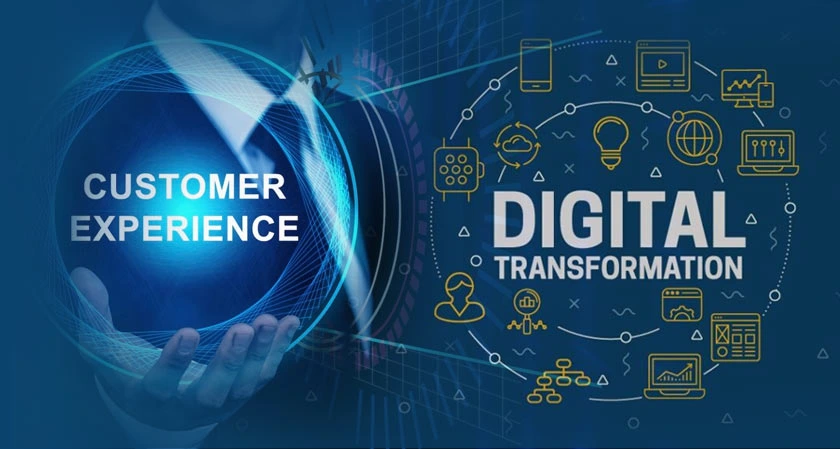
As businesses continue to embrace digital transformation, creating seamless interactions between customers and brands has become a critical success factor. Customers today expect effortless, consistent, and meaningful interactions across all touchpoints, whether online or offline. The key to achieving this is leveraging digital technologies that enable businesses to break down silos, improve communication, and deliver integrated experiences. In this blog, we explore how businesses can build seamless interactions in a world where technology plays a central role in shaping customer experiences.
The Importance of Seamless Interactions
Seamless interactions refer to a smooth, uninterrupted experience that allows customers to engage with a brand without encountering obstacles or inconsistencies. From browsing a website to receiving customer support or making a purchase, the experience should be intuitive and efficient.
In a digitally transformed world, customers interact with businesses through a variety of channels, including websites, mobile apps, social media, email, and even in-person. A seamless interaction means that regardless of the channel, the experience feels connected, personalized, and consistent. This reduces friction and helps create a positive impression, leading to higher customer satisfaction, loyalty, and retention.
Breaking Down Silos for a Unified Experience
One of the biggest challenges businesses face when trying to create seamless interactions is the existence of organizational silos. Different departments often use different tools, systems, and platforms, making it difficult to provide a consistent experience across all touchpoints. For example, a customer who reaches out to customer service may receive different information than the one they received during their initial purchase experience.
To create a truly seamless experience, businesses must focus on breaking down these silos and integrating their systems. By consolidating customer data, interactions, and workflows across departments, organizations can ensure that every team has access to the same information. This enables employees to deliver more consistent and informed service, regardless of where the customer engages with the brand.
Customer Relationship Management (CRM) systems, for example, can help integrate data from various departments, providing a holistic view of each customer. With this information, businesses can offer a more personalized and consistent experience, whether the customer is interacting with sales, support, or marketing.
Leveraging Technology for Real-Time Communication
One of the most effective ways to build seamless interactions is through real-time communication tools. Customers no longer want to wait hours or days for a response. They expect immediate answers to their queries, whether they are browsing a website, engaging on social media, or reaching out to customer support.
Live chat, chatbots, and AI-driven communication tools allow businesses to offer instant support and resolve issues in real time. By utilizing these technologies, businesses can engage with customers instantly, providing quick answers and assistance. AI chatbots, for example, can handle routine inquiries 24/7, while human agents can focus on more complex issues. This ensures that customers never feel like they are waiting in a queue and that their concerns are addressed promptly.
Moreover, integrating communication across channels ensures that customers don’t have to repeat themselves when switching between platforms. If a customer begins a conversation via chat and later continues it through email or phone, they should be able to pick up where they left off without providing the same information again. This type of omnichannel integration fosters a sense of continuity and efficiency, making interactions feel more fluid.
Personalization: The Key to Meaningful Interactions
In a digitally transformed world, customers expect more than just a transactional experience. They want interactions that are meaningful and relevant to them as individuals. Personalization plays a significant role in achieving this goal.
By using customer data and insights, businesses can tailor their interactions to each individual’s preferences and needs. For example, e-commerce businesses can use past purchase data to recommend products that are more likely to appeal to the customer. Similarly, marketing campaigns can be personalized based on a customer’s browsing behavior, ensuring that the content is aligned with their interests.
Personalization doesn’t just apply to marketing and sales; it extends to customer service as well. By using customer data, service agents can offer solutions that are more relevant to the customer’s issue, improving the overall experience. This level of personalization makes customers feel valued and understood, which is essential for building long-term relationships.
The Role of Automation in Enhancing Seamless Interactions
Automation plays a vital role in creating seamless interactions by handling routine tasks and allowing businesses to respond more quickly. For example, automated email responses, order confirmations, and appointment scheduling can reduce the need for manual intervention, freeing up resources for more complex interactions.
Additionally, automated systems can guide customers through processes like product selection or troubleshooting without the need for human input. This ensures that customers can access the information they need without delays, contributing to a frictionless experience.
AI-driven recommendation systems are another example of how automation can enhance interactions. These systems use customer data to suggest products, services, or content that align with a customer’s preferences, improving the overall experience by offering relevant options.
Customer Experience Digital Transformation: A Path to Long-Term Success
In a digitally transformed world, creating seamless interactions is not just a luxury—it’s a necessity. Customers expect smooth, intuitive, and personalized experiences at every touchpoint, and businesses must adapt to meet these expectations. By breaking down silos, leveraging technology for real-time communication, personalizing interactions, and embracing automation, businesses can build a customer experience that feels effortless and engaging.
Customer Experience Digital Transformation is the key to staying competitive in today’s digital-first marketplace. By focusing on seamless interactions, businesses can not only enhance customer satisfaction but also build stronger, more loyal customer relationships. Those that invest in this transformation will be better equipped to thrive in the ever-evolving landscape of customer expectations.

 Arabic
 Français
 Español
 Português
 Deutsch
 Türkçe
 Dutch
Dutch
 Italiano
 Russian
 Romaian