


How AI-Powered Software is Transforming Industrial Automation in Smart Factories
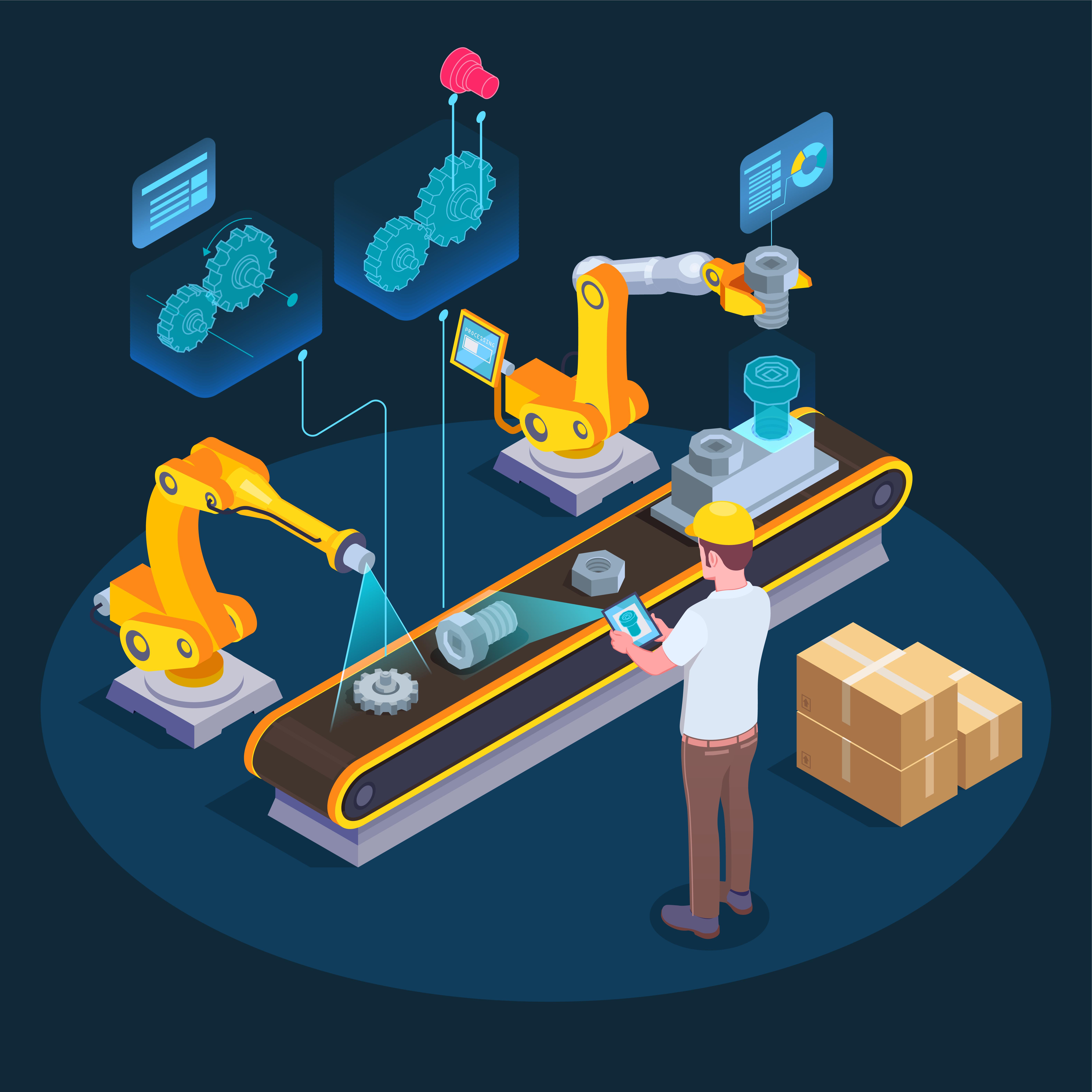
The manufacturing sector is undergoing a revolutionary shift, driven by the convergence of artificial intelligence (AI) and smart automation technologies. This transformation is reshaping traditional industrial processes, enabling manufacturers to build intelligent, connected, and highly efficient production environments—commonly known as smart factories. In these advanced settings, machines, systems, and sensors communicate and collaborate autonomously, fueled by the power of AI-powered software.
As competitiveness intensifies, companies are increasingly turning to intelligent manufacturing industry software solutions to streamline operations, reduce downtime, improve quality, and make data-driven decisions. AI is not just enhancing factory efficiency; it's enabling predictive insights, adaptive process control, and real-time response to production challenges. This article explores how AI-powered software is at the heart of the new industrial automation era.
1. Enhancing Predictive Maintenance with AI
AI-powered predictive maintenance software helps identify and address equipment issues before they result in costly breakdowns.
-
Real-time monitoring of machinery using sensors and AI algorithms detects anomalies early.
-
Machine learning models predict when parts are likely to fail based on historical and real-time data.
-
Minimized downtime through proactive maintenance scheduling instead of reactive repairs.
-
Cost savings by avoiding unexpected equipment failure and extending machine life.
2. Intelligent Quality Control and Defect Detection
AI enables software solutions to perform automated quality control using image processing, computer vision, and machine learning.
-
Computer vision systems inspect products at high speed and accuracy, identifying defects undetectable to the human eye.
-
Self-learning models improve over time by learning from past inspection data.
-
Consistent product quality across large-scale production runs.
-
Reduction in human error, leading to better compliance and fewer product recalls.
3. AI-Driven Process Optimization
AI is transforming how processes are monitored, adjusted, and optimized on the factory floor.
-
Real-time analytics software tracks multiple variables like temperature, humidity, and pressure.
-
AI algorithms analyze this data to recommend or even implement process adjustments.
-
Energy optimization through AI-led decisions on machinery usage and timing.
-
Increased productivity by reducing process variability and cycle time.
4. Adaptive Robotics in Manufacturing
AI software is making industrial robots more adaptive, enabling dynamic response to changing environments and tasks.
-
Collaborative robots (cobots) learn tasks and operate safely alongside human workers.
-
AI-based motion planning enables robots to navigate complex environments and adjust to new parts or layouts.
-
Faster integration of robotics into manufacturing lines due to AI-powered flexibility.
-
Task automation across assembly, welding, material handling, and packaging.
5. AI-Powered Decision Support Systems
AI is being used to develop software systems that aid decision-making at every level of a manufacturing operation.
-
Dashboards with actionable insights generated from large volumes of factory data.
-
Supply chain forecasting tools using AI for demand prediction and inventory optimization.
-
Scenario simulation software for testing production changes without disrupting real-world operations.
-
Improved collaboration between departments through centralized, AI-enhanced data platforms.
6. Integration with Industrial IoT (IIoT) Platforms
AI-powered solutions are tightly integrated with IIoT devices to create a connected, intelligent manufacturing ecosystem.
-
Smart sensors collect data from machines, tools, and environments.
-
Edge AI software processes data at the device level, ensuring faster response times.
-
Cloud-based analytics platforms aggregate and analyze data from multiple factory units.
-
Enhanced visibility and control across production lines, facilities, and global operations.
Conclusion
The rise of AI-powered manufacturing industry software solutions marks a pivotal moment in industrial automation. As smart factories evolve, the integration of AI enables manufacturers to achieve new levels of operational intelligence, efficiency, and adaptability. From predictive maintenance to real-time quality control and adaptive robotics, AI-driven tools are redefining how factories function.
In this new era, companies that embrace AI and invest in advanced software will lead the charge in innovation and productivity. The transformation is not just about automation—it's about creating intelligent systems that learn, adapt, and drive continuous improvement across the entire manufacturing value chain.

 Arabic
 Français
 Español
 Português
 Deutsch
 Türkçe
 Dutch
Dutch
 Italiano
 Russian
 Romaian