


Can Gingivectomy Help with Sensitive Gums?
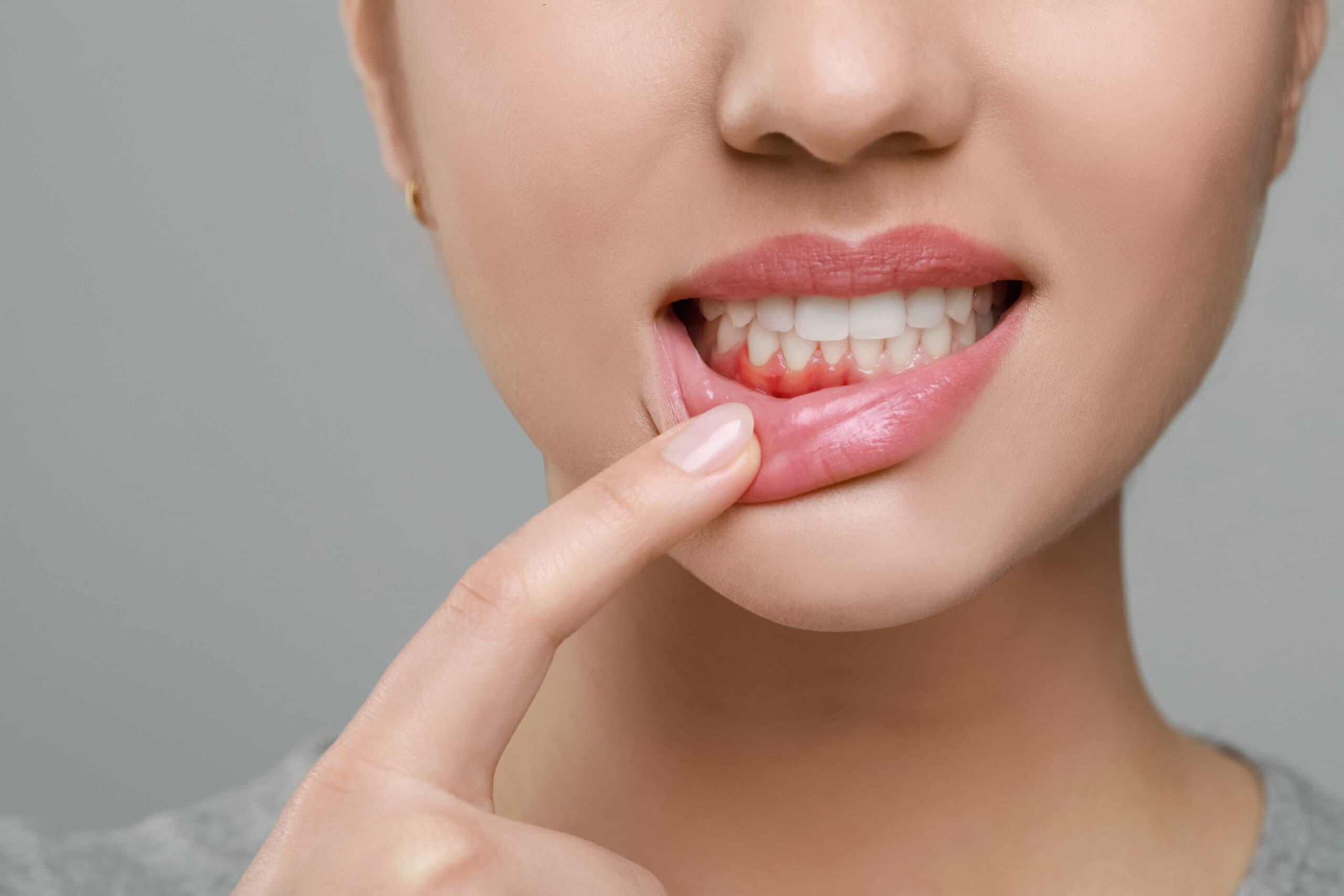
If you suffer from persistent gum discomfort, you may wonder, can gingivectomy help with sensitive gums? Gingivectomy (Gum Tissue Removal) is a surgical procedure that removes and reshapes damaged or diseased gum tissue, and for many people, it offers relief from gum sensitivity caused by periodontal disease or excessive gum overgrowth. Understanding how this treatment works can help you decide if it’s a good option for addressing your sensitive gums.
What Causes Sensitive Gums?
Sensitive gums can develop for several reasons, and pinpointing the cause is important to finding the right treatment. Common causes include:
-
Gum disease: Infections can make gums swollen, tender, and highly sensitive to touch or temperature changes.
-
Receding gums: When gums pull back from the teeth, they expose more sensitive root areas.
-
Gum overgrowth: Extra tissue can trap bacteria and cause chronic inflammation.
-
Aggressive brushing: Brushing too hard damages gum tissue and increases sensitivity.
-
Poor oral hygiene: Accumulation of plaque and tartar irritates gums and triggers discomfort.
Identifying the underlying issue helps dental professionals determine whether a gingivectomy could provide lasting relief.
How Gingivectomy Addresses Sensitive Gums?
A gingivectomy is often recommended for sensitive gums when non-surgical treatments have failed. The procedure can help by:
-
Removing infected tissue: Eliminating inflamed areas reduces pain and sensitivity.
-
Reshaping the gums: Creating a smooth, even gum line can improve protection against future irritation.
-
Reducing bacterial pockets: Deep spaces that harbor bacteria are minimized, promoting healthier gums.
-
Facilitating better cleaning: After a gingivectomy, brushing and flossing become more effective and less painful.
By resolving the root causes of gum sensitivity, gingivectomy can provide both immediate and long-term comfort improvements.
Who Should Consider Gingivectomy for Sensitive Gums?
Not everyone with sensitive gums will require a gingivectomy. It’s best suited for individuals who:
-
Have moderate to severe periodontal disease: Chronic infection has caused irreversible gum damage.
-
Experience significant gum overgrowth: Excess tissue creates discomfort and an unsightly appearance.
-
Struggle with persistent sensitivity: Other treatments like desensitizing toothpaste have not been effective.
-
Need better access for oral hygiene: Reshaping the gums can make cleaning easier and reduce inflammation.
A thorough dental exam will determine if gingivectomy is the most appropriate solution for your specific condition.
Benefits and Risks of Gingivectomy for Sensitive Gums:
Choosing to undergo a gingivectomy can offer notable benefits for individuals dealing with gum sensitivity, including:
-
Reduced discomfort: Healthier gum tissue means less pain and irritation.
-
Improved gum appearance: Smoother gums can enhance the look of your smile.
-
Better oral health: Removing diseased tissue lowers the risk of future infections.
-
Easier maintenance: A streamlined gum line makes daily cleaning more effective and comfortable.
However, it’s important to consider potential risks as well:
-
Post-surgical sensitivity: Some patients experience increased sensitivity immediately after surgery.
-
Healing time: Full recovery can take a few weeks, requiring diligent aftercare.
-
Temporary swelling: Minor swelling and tenderness are common during the healing phase.
Understanding both the advantages and possible side effects ensures you are fully prepared for the procedure and recovery process.
What to Expect During Recovery?
After undergoing a Gum Tissue Removal to treat sensitive gums, proper care is essential for optimal healing. Most dentists recommend:
-
Eating soft foods: Choices like smoothies, soups, and mashed potatoes help avoid irritating the surgical site.
-
Using prescribed mouthwash: Antimicrobial rinses prevent infection and promote healing.
-
Taking pain relief medication: Over-the-counter or prescribed medications can manage post-surgery discomfort.
-
Avoiding vigorous brushing: Gentle cleaning is crucial to protect delicate healing tissue.
-
Attending follow-up appointments: Regular check-ins ensure the gums are healing properly and address any concerns early.
With attentive aftercare, most patients see a significant reduction in gum sensitivity within a few weeks, along with a noticeable improvement in overall oral health.
In conclusion, if you’ve been asking yourself, can gingivectomy help with sensitive gums, the answer is often yes—especially when sensitivity stems from gum disease or overgrown tissue. By surgically removing problematic areas and reshaping the gum line, gingivectomy offers a powerful way to alleviate discomfort and support a healthier, more confident smile.

 Arabic
 Français
 Español
 Português
 Deutsch
 Türkçe
 Dutch
Dutch
 Italiano
 Russian
 Romaian