


Understanding Spirometry Tests
Breathing problems can affect everyday activities, sleep, exercise, and overall quality of life. Symptoms such as shortness of breath, persistent coughing, wheezing, or chest tightness may be associated with several respiratory conditions. One of the most useful tests doctors use to evaluate how well the lungs are working is spirometry.
Spirometry is a simple lung function test that measures how much air a person can breathe out and how quickly they can expel it. It can help doctors investigate respiratory symptoms, diagnose certain lung conditions, monitor existing diseases, and assess how well treatment is working.
If you are experiencing ongoing breathing difficulties, consulting the best pulmonologist in Lahore can help determine whether spirometry or another respiratory test is appropriate for your symptoms.
What Is a Spirometry Test?
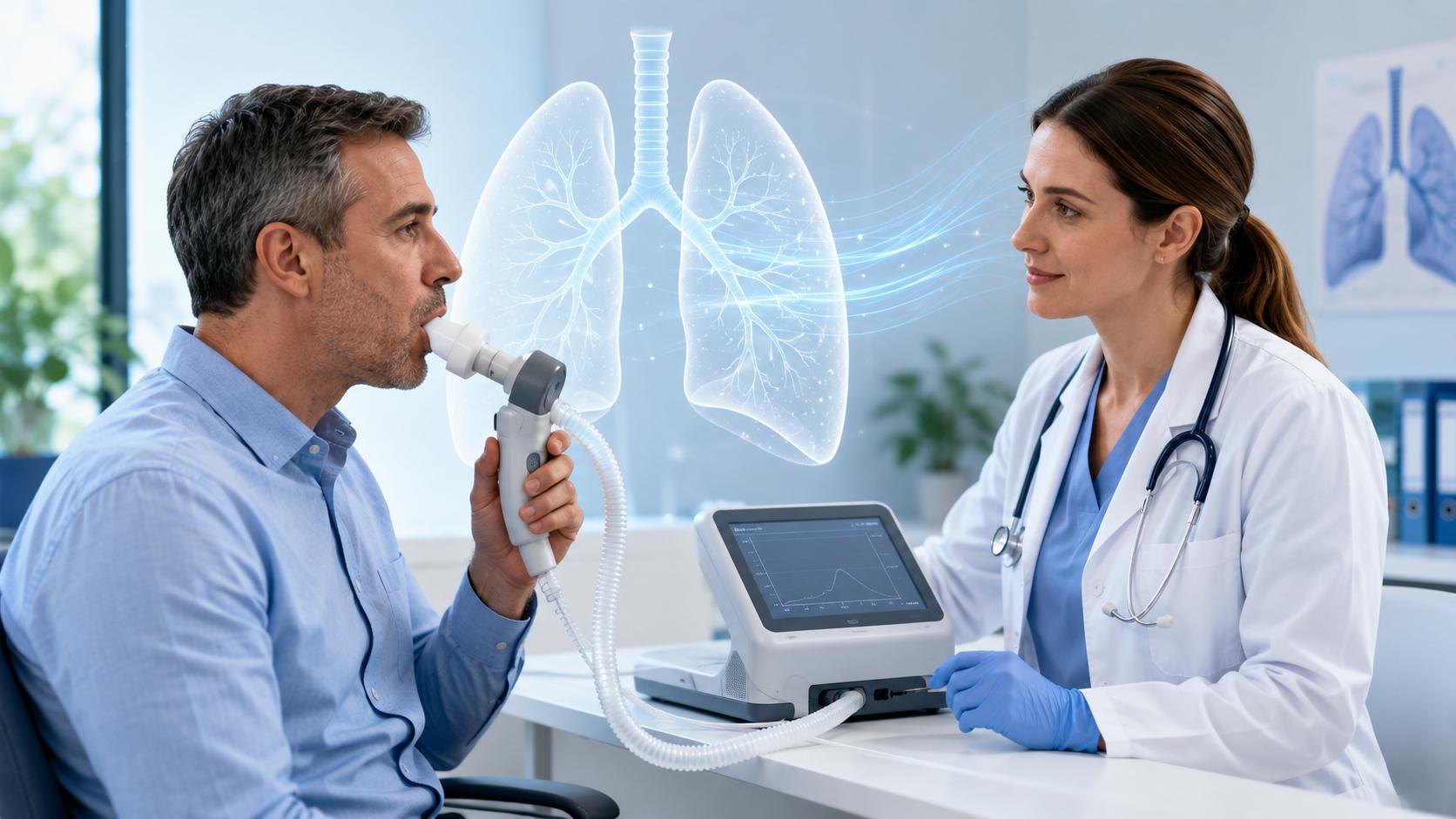
Spirometry is one of the most commonly performed pulmonary function tests. It is carried out using a device called a spirometer, which measures airflow and the amount of air expelled from the lungs. During the test, a patient usually takes a deep breath and then blows into a mouthpiece as forcefully and completely as possible.
The process may be repeated several times to help ensure that the measurements are reliable. The results allow healthcare professionals to evaluate airflow patterns and identify possible abnormalities in lung function.
Spirometry does not provide a complete picture of every lung condition, but it is an important starting point for assessing respiratory health.
Why Is Spirometry Performed?
Doctors may recommend spirometry when a patient has symptoms that suggest a respiratory problem. These can include persistent coughing, shortness of breath, wheezing, difficulty exercising, or a feeling of tightness in the chest.
According to the NHS, spirometry may be used to investigate whether symptoms are related to conditions such as asthma, chronic obstructive pulmonary disease (COPD), or pulmonary fibrosis. It may also be performed to monitor an existing lung condition or assess general respiratory health before certain surgical procedures.
For people with long-term respiratory disease, repeated spirometry tests may help doctors monitor changes in lung function over time and evaluate the response to treatment.
Conditions That Spirometry Can Help Assess
Spirometry is particularly useful when doctors suspect conditions that affect airflow through the lungs.
Asthma
Asthma can cause the airways to narrow and become inflamed, leading to wheezing, coughing, chest tightness, and breathlessness. Spirometry may help assess airflow obstruction and can sometimes be repeated after the patient uses a bronchodilator medicine.
The comparison between results before and after bronchodilator use can provide useful information when evaluating whether airway narrowing is reversible.
Chronic Obstructive Pulmonary Disease
COPD is a group of chronic lung diseases that can gradually make breathing more difficult. Common symptoms may include shortness of breath, persistent cough, wheezing, and repeated chest infections.
Spirometry plays an important role in evaluating airflow limitation in people suspected of having COPD. Because respiratory symptoms can have several different causes, results should always be interpreted together with medical history, examination, and other investigations when necessary.
Other Lung Conditions
Spirometry can also contribute to the assessment and monitoring of other respiratory problems. However, additional lung function tests, imaging, blood tests, or specialist investigations may sometimes be required depending on the patient's symptoms and clinical findings.
What Happens During a Spirometry Test?
A spirometry test is generally straightforward and non-invasive.
The patient is usually asked to sit comfortably and may have a soft clip placed over the nose to prevent air from escaping through the nostrils. The patient then seals their lips firmly around the spirometer mouthpiece.
After taking the deepest breath possible, the patient blows out as hard, fast, and completely as instructed. The test is normally performed more than once so that the healthcare professional can check whether the results are consistent.
Good technique is important because incorrect effort or poor sealing around the mouthpiece may affect the measurements. International technical standards emphasize proper performance and quality control when conducting spirometry.
Understanding FEV1 and FVC
Two measurements commonly associated with spirometry are FEV1 and FVC.
FVC, or forced vital capacity, represents the total amount of air that can be forcefully exhaled after taking a full breath.
FEV1, or forced expiratory volume in one second, measures how much of that air is expelled during the first second of forceful breathing out.
Doctors also evaluate the relationship between these measurements, including the FEV1/FVC ratio. These values can provide information about whether a person may have an obstructive pattern of airflow limitation. Interpretation should consider appropriate reference values and the individual's characteristics rather than relying on a single number alone.
How Should You Prepare for Spirometry?
Preparation instructions can vary depending on the clinic and reason for testing. Patients should carefully follow any instructions provided by their healthcare professional.
A doctor may ask about inhalers or other respiratory medications before the test. Patients should not independently stop prescribed medicines unless specifically advised to do so.
Comfortable clothing can make it easier to take deep breaths, while very tight clothing around the chest or abdomen may feel restrictive. It is also helpful to inform the medical team about recent illnesses, surgeries, heart problems, or any condition that may make forceful breathing difficult.
Is Spirometry Painful?
Spirometry is not usually painful. However, the forceful breathing required during the test can temporarily cause tiredness, coughing, light-headedness, or shortness of breath in some people.
The test should be conducted under appropriate supervision. If a patient feels uncomfortable, dizzy, or unwell, they should inform the healthcare professional immediately.
Because each person's health history is different, a doctor can determine whether spirometry is suitable and whether additional precautions are necessary.
What Do Abnormal Results Mean?
An abnormal spirometry result does not automatically confirm a specific disease.
Pulmonary function results reflect different physiological features of breathing and must be interpreted alongside symptoms, medical history, physical examination, and sometimes additional tests.
For example, reduced airflow may suggest an obstructive respiratory pattern, while other abnormalities may require further evaluation to understand their cause. This is why professional interpretation is important.
The best pulmonologist in Lahore can review spirometry findings in the context of the patient's overall respiratory health and decide whether further tests or treatment are needed.
When Should You See a Pulmonologist?
Persistent respiratory symptoms should not always be ignored. Consider seeking medical assessment if you experience ongoing breathlessness, recurrent wheezing, a chronic cough, frequent chest infections, or noticeable difficulty performing activities that previously felt normal.
People with a history of smoking, occupational exposure to dust or chemicals, or previously diagnosed respiratory conditions may also need appropriate medical follow-up.
Early evaluation can help identify the cause of symptoms and allow a healthcare professional to develop a suitable management plan.
For consultation regarding breathing problems, spirometry, asthma, COPD, or other respiratory concerns:
Dr. Yasir Nasir – Pulmonologist in Lahore
Phone: 0333 4976126
Address: 7, Block M, Phase 2, Johar Town, Lahore, 54782
Location: https://maps.app.goo.gl/6ch5mLKxSasq29GZ7
Conclusion
Spirometry is a valuable and widely used test for assessing how well the lungs are functioning. By measuring the volume and speed of exhaled air, it can help healthcare professionals investigate respiratory symptoms, assess airflow limitation, monitor chronic lung conditions, and evaluate treatment response.
While the test itself is relatively simple, accurate performance and professional interpretation are essential. If you are experiencing persistent coughing, wheezing, shortness of breath, or other respiratory symptoms, consulting a qualified pulmonologist can help determine whether spirometry or additional testing is appropriate.
Understanding your lung function is an important step toward managing respiratory health, making informed treatment decisions, and protecting your ability to breathe comfortably in everyday life.

 Arabic
 Français
 Español
 Português
 Deutsch
 Türkçe
 Dutch
Dutch
 Italiano
 Russian
 Romaian