


Diesel Generator Set Control Panel Functions and Structure
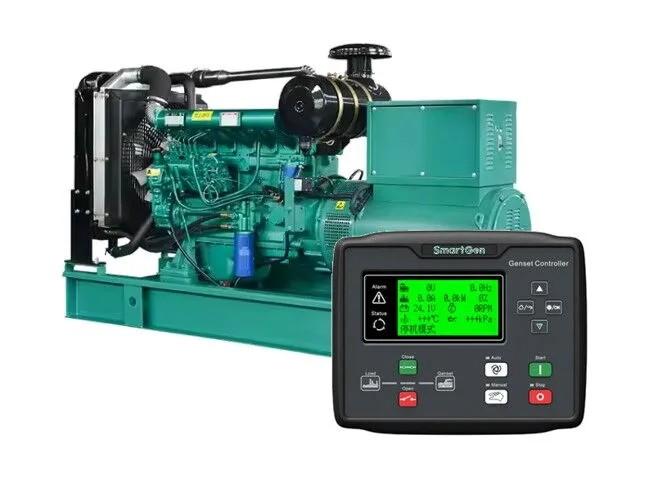
Understanding the Control Panel in Diesel Generator Sets
Diesel generator sets play a vital role as backup power sources, ensuring uninterrupted electricity during power outages or grid instability. At the heart of these systems lies the control panel—the "brain" of the generator—responsible for monitoring performance, managing operations, and ensuring safe, efficient functioning. This article explores the essential functions, structure, types, installation, operation, and maintenance of control panels, highlighting their critical role in diesel generator systems.
1. Key Functions of the Control Panel
The control panel allows operators to monitor and control various aspects of the generator set. Its core functions include:
1.1 Real-Time Monitoring of Current, Voltage, and Frequency
These parameters are fundamental to the generator's operation:
-
Voltage Monitoring: Ensures output voltage remains within acceptable limits, preventing damage to connected equipment.
-
Current Monitoring: Helps manage electrical load and avoid overload conditions.
-
Frequency Monitoring: Maintains system stability. Significant fluctuations can affect sensitive electronics and the overall power network.
Both analog and digital displays are used, with digital interfaces becoming more common for their precision and ease of reading.
1.2 Oil Pressure and Water Temperature Monitoring
Monitoring engine health is critical, especially under heavy load:
-
Oil Pressure: Low oil pressure can result in insufficient lubrication, overheating, and engine damage. The panel provides alerts when pressure drops.
-
Water Temperature: Overheating from coolant failure or overload can harm the engine. Real-time monitoring enables early intervention.
1.3 Operating Hours Tracking and Maintenance Logging
Most panels include runtime counters that help schedule preventive maintenance. Advanced panels also store alarm histories and fault codes, supporting diagnostics and reducing unplanned downtime.
1.4 Fault Detection and Alarming
Modern panels are equipped with sensors to detect faults like:
-
Overload conditions
-
Low oil pressure
-
High coolant temperature
When an issue is identified, the system triggers visual or audible alarms. High-end panels may also display fault codes to aid troubleshooting.
1.5 Generator Start and Stop Control
Control panels allow manual or automated start/stop operations. Safety checks—like oil pressure and battery voltage—are performed before ignition. Shutdown is done in steps to prevent damage.
2. Control Panel Design and Structure
Control panels are engineered to meet industrial reliability standards and are built for harsh operating environments. Key design elements include:
2.1 Display Interfaces and Gauges
Panels may include:
-
Analog or digital meters for voltage, current, oil pressure, and temperature
-
Multifunction LCDs for real-time data, fault messages, and system alerts
Advanced displays enhance visibility and user-friendliness.
2.2 Control Buttons and Switches
Typical controls include:
-
Start/Stop Button
-
Emergency Stop Switch
-
Mode Selector (manual/auto)
-
Fault Reset Button
These components are clearly labeled and designed for quick access during operation or emergencies.
2.3 Protective Enclosure
The control panel housing is typically:
-
Waterproof, dustproof, and corrosion-resistant
-
Shock-resistant to handle generator vibrations
-
Designed with efficient heat dissipation features
2.4 Safety Features
Built-in protection includes:
-
Overvoltage and undervoltage protection
-
Overcurrent and short-circuit protection
-
High-temperature shutdown
-
Contaminant shielding via seals and gaskets
3. Types of Control Panels
Control panels vary based on generator size and application:
3.1 Standalone Control Panels
Used for large generator sets, these are installed separately from the unit. They offer advanced monitoring and remote operation capabilities, making them ideal for industrial or commercial environments.
3.2 Integrated Control Panels
Compact and built directly into smaller generator sets, these panels offer basic control and display functions. They’re commonly used in residential, small business, or light commercial applications.
4. Intelligent Self-Protection Features
Modern control panels incorporate smart control systems using sensors and processors to monitor operational parameters and initiate protective actions automatically:
-
Temperature Protection: Shuts down or reduces load if engine temperature exceeds safe levels.
-
Voltage Regulation: Disconnects load when voltage is outside safe limits.
-
Short-Circuit Protection: Instantly cuts power to protect the generator and connected equipment.
-
Auto Start/Stop: Automatically starts the generator when grid power fails and shuts it down when grid power is restored.
5. Installation and Commissioning
Proper setup is essential for reliable performance:
-
Wiring: Connect generator outputs to the panel’s input terminals correctly.
-
Grid Integration: Link to an automatic transfer switch (ATS) for seamless switchover during outages.
-
Load Connection: Use appropriate cables and current transformers for load measurement.
-
Testing: Verify all sensors and meters function correctly before putting the system into service.
6. Routine Maintenance and Inspection
Scheduled maintenance ensures long-term performance and safety:
-
Check oil and coolant levels regularly.
-
Replace air, fuel, and oil filters as recommended.
-
Monitor battery voltage to ensure reliable starting.
-
Inspect panel wiring and terminals for wear, corrosion, or loosening.
Maintenance logs should be kept for auditing and predictive diagnostics.
Conclusion
The control panel is a critical component of any diesel generator set, providing monitoring, control, protection, and automation. As technology advances, control panels have become smarter, more user-friendly, and more reliable. By ensuring proper installation, regular maintenance, and correct operation, users can maximize the efficiency and lifespan of their generator sets—ensuring uninterrupted power in mission-critical applications.Know more about Google SEO Directory

 English
 Arabic
 Français
 Español
 Português
 Deutsch
 Türkçe
 Italiano
 Russian
 Romaian