


Tree Pruning – The Complete Guide to Healthy, Beautiful Trees
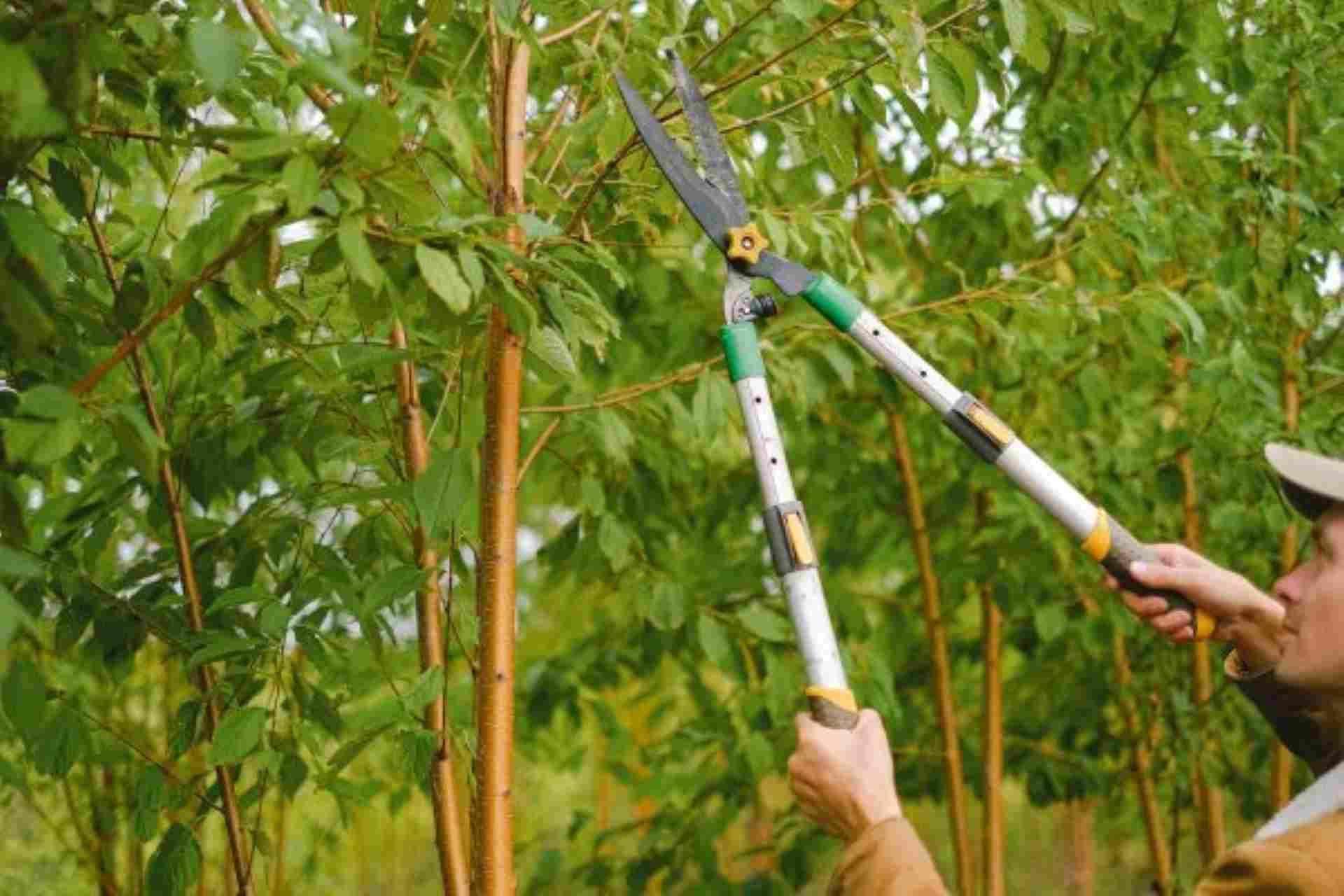
Ever looked at a tree in your yard and thought, “Does that branch really need to be there?” You’re not alone. Whether it's for safety, health, or beauty, tree pruning is a must-do for every property owner. It’s more than just snipping away random branches—it’s a science and an art.
This guide will walk you through everything you need to know about pruning: why it matters, when to do it, how to do it right, and when to call in the pros.
Outline
-
What is Tree Pruning?
-
Benefits of Tree Pruning
-
When is the Best Time to Prune Trees?
-
Common Types of Tree Pruning
-
Crown Thinning
-
Crown Reduction
-
Crown Raising
-
Deadwooding
-
-
Tree Pruning vs. Tree Trimming
-
Tools Needed for Pruning
-
How to Prune Trees Properly (Step-by-Step)
-
Mistakes to Avoid When Pruning
-
Pruning Young Trees vs. Mature Trees
-
Tree Species That Require Regular Pruning
-
How Often Should You Prune Trees?
-
DIY Pruning vs. Professional Pruning
-
How Much Does Tree Pruning Cost?
-
Safety Tips for Tree Pruning
-
Conclusion and FAQs
What is Tree Pruning?
Tree pruning is the selective removal of branches or stems to benefit the whole tree. Unlike trimming, which focuses on aesthetics, pruning is all about tree health, structure, and safety.
Done correctly, pruning enhances the tree's natural form, improves airflow, and removes potential hazards.
Benefits of Tree Pruning
-
🌳 Health – Removes dead, diseased, or infested limbs
-
🏠 Safety – Prevents branches from falling on people, property, or power lines
-
🌿 Growth Control – Guides the tree’s shape and structure
-
🌸 Aesthetic Appeal – Enhances landscape beauty
-
🍎 Fruit Production – Boosts yields and quality in fruit trees
Pruning is like a wellness checkup for your trees.
When is the Best Time to Prune Trees?
The ideal time to prune most trees is during late winter to early spring, when they're dormant.
Why?
-
Less stress on the tree
-
Reduced risk of pests/disease
-
Encourages strong spring growth
Avoid pruning in fall, as it may encourage new growth just before winter.
Common Types of Tree Pruning
1. Crown Thinning
Removes select inner branches to allow light and air to pass through. Helps reduce weight and wind resistance.
2. Crown Reduction
Shortens the height or spread of the tree. Useful when trees interfere with buildings or power lines.
3. Crown Raising
Removes lower branches to increase clearance for pedestrians, vehicles, or views.
4. Deadwooding
Eliminates dead, dying, or diseased limbs. Essential for tree health and safety.
Tree Pruning vs. Tree Trimming
| Feature | Tree Pruning | Tree Trimming |
|---|---|---|
| Purpose | Health, safety, structure | Shape and appearance |
| Frequency | As needed (often annually) | More regular (2–4x per year) |
| Tools Used | Saws, shears, loppers | Hedge trimmers, clippers |
| Best Time | Dormant season (winter) | Growing season (spring/summer) |
Tools Needed for Pruning
-
Hand pruners – for small twigs and branches
-
Loppers – for branches up to 2 inches thick
-
Pruning saws – for medium to large limbs
-
Pole pruners – for high branches
-
Chainsaw – for large jobs (use with caution)
-
Gloves and safety goggles – always wear protection
How to Prune Trees Properly (Step-by-Step)
-
Identify the reason for pruning (safety, shape, health)
-
Inspect the tree and plan which branches to remove
-
Use the 3-cut method for large limbs to avoid tearing bark:
-
1st cut: underside, a few inches out
-
2nd cut: top side, outside the first cut
-
3rd cut: at the branch collar, clean finish
-
-
Cut at the branch collar, not flush with the trunk
-
Avoid over-pruning—never remove more than 25% of the canopy in one season
Mistakes to Avoid When Pruning
-
Topping the tree (removing the main top section)
-
Flush cutting (removing the collar can damage the trunk)
-
Over-pruning—leaves the tree vulnerable
-
Wrong timing—can stress or kill the tree
-
Dull tools—make jagged cuts and invite disease
Pruning Young Trees vs. Mature Trees
Young Trees:
-
Prune early to set strong structure
-
Remove competing leaders
-
Encourage a single central trunk
Mature Trees:
-
Focus on safety and health
-
Remove deadwood and weak branches
-
Avoid aggressive pruning—it may shock the tree
Tree Species That Require Regular Pruning
-
Fruit trees (apple, pear, peach) – for better harvests
-
Maples – control fast growth and sap flow
-
Oaks – prune in dormancy to prevent oak wilt
-
Pines – rarely need pruning, but remove deadwood as needed
-
Crabapple & Dogwood – shape and prevent disease
How Often Should You Prune Trees?
-
Young trees – Every 1–2 years for structure
-
Mature trees – Every 3–5 years for maintenance
-
Fast-growing trees – As often as once per year
-
Fruit trees – Annually during dormant season
DIY Pruning vs. Professional Pruning
| Situation | Go DIY | Hire a Pro |
|---|---|---|
| Branches under 10 feet high | ✅ Yes | ❌ Not needed |
| Near power lines | ❌ Too risky | ✅ Yes |
| Large limbs or tall trees | ❌ Dangerous | ✅ Yes |
| Unsure about how to prune | ❌ Can harm the tree | ✅ Expert care |
When in doubt—hire it out.
How Much Does Tree Pruning Cost?
Prices depend on size, complexity, and access:
-
Small trees (under 30 feet): $100–$400
-
Medium trees (30–60 feet): $200–$800
-
Large trees (60+ feet): $800–$1,500+
Get multiple quotes and check for certified arborists.
Safety Tips for Tree Pruning
-
Wear gloves, goggles, and a helmet
-
Use stable ladders or lifts—never climb with tools
-
Watch for falling limbs and where they might land
-
Don’t prune near live electrical wires
-
Know your limits—if you feel unsure, stop
Conclusion
Tree pruning isn’t just about shaping a pretty canopy—it’s vital to the health and longevity of your trees. Done right, it prevents problems before they start and keeps your landscape safe and beautiful.
Whether you're pruning for aesthetics, safety, or better fruit yields, the key is consistency, technique, and knowing when to call a professional.
FAQs
1. Can I prune my tree anytime?
No. Most trees should be pruned during late winter or early spring when dormant.
2. Is it bad to prune too much?
Yes. Over-pruning can stress or kill your tree. Never remove more than 25% of its canopy.
3. Do all trees need pruning?
Not all, but most benefit from periodic pruning for safety and health.
4. Can pruning make my tree grow faster?
Proper pruning can direct energy to healthier limbs, improving overall growth.
5. How do I know if my tree needs pruning?
Look for dead limbs, rubbing branches, strange shapes, or safety hazards.

 English
 Arabic
 Français
 Español
 Português
 Deutsch
 Türkçe
 Italiano
 Russian
 Romaian