


The Ultimate Guide to Tree Pruning: When, Why, and How to Prune Your Trees
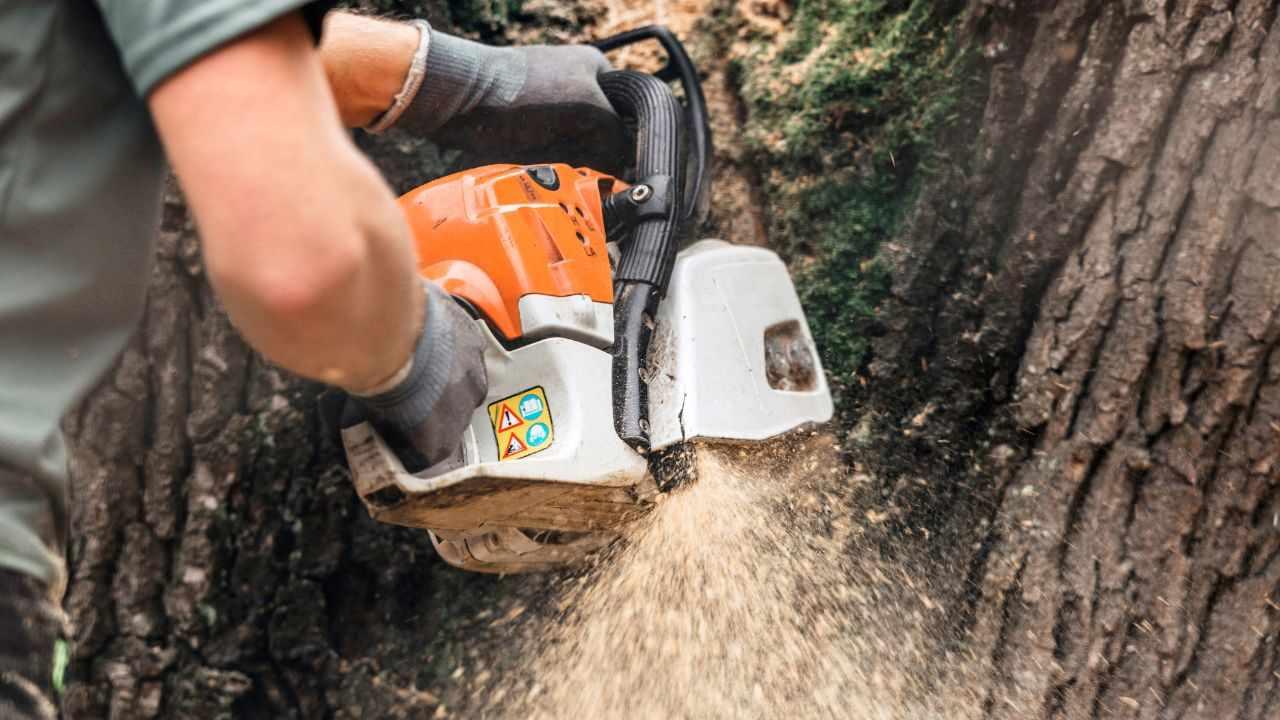
Tree pruning might seem like just a cosmetic chore, but it’s so much more. Whether you're trying to enhance the health of your tree, improve your curb appeal, or prevent storm damage, pruning plays a crucial role in long-term tree care.
What is Tree Pruning?
Tree pruning is the selective removal of branches to improve the health, structure, and appearance of a tree.
Pruning vs. Trimming: What’s the Difference?
-
Pruning is about maintaining health and structure.
-
Trimming is more cosmetic and focused on appearance.
Think of pruning as a tree's check-up—necessary for long-term health and safety.
Why is Tree Pruning Important?
Health Benefits
-
Removes dead, diseased, or damaged branches.
-
Encourages new growth and better air circulation.
-
Prevents the spread of pests or disease.
Aesthetic Value
-
Shapes trees for symmetry and structure.
-
Enhances landscape design.
Safety Reasons
-
Prevents limbs from falling on homes, power lines, or pedestrians.
-
Clears branches away from driveways and walkways.
Best Time to Prune Trees
Seasonal Considerations
-
Winter: Ideal for most trees (dormant period).
-
Spring: Good for spring-flowering trees—right after bloom.
-
Summer: Focus on corrective pruning.
-
Fall: Generally not recommended due to increased vulnerability to disease.
Tree Type Matters
-
Deciduous trees: Prune in late winter.
-
Evergreens: Light pruning in early spring or late summer.
Types of Tree Pruning
Crown Thinning
Removes inner branches to increase sunlight and airflow.
Crown Raising
Lifts the lower limbs to clear space under the tree.
Crown Reduction
Reduces the height or spread of a tree—often for power line clearance.
Deadwooding
Removes dead or decaying branches to prevent accidents and decay.
How to Properly Prune a Tree
Tools You’ll Need
-
Hand pruners
-
Loppers
-
Pole saw
-
Chainsaw (for large limbs)
-
Safety gear (gloves, goggles, helmet)
Step-by-Step Instructions
-
Inspect the tree’s structure and health.
-
Identify branches to remove: dead, diseased, or crossing limbs.
-
Use the 3-cut method for larger branches to avoid tearing bark.
-
Never remove more than 25% of the canopy in one session.
Common Mistakes to Avoid
-
Topping trees (never a good idea).
-
Cutting too close to the trunk (flush cuts).
-
Over-pruning.
Pruning for Different Tree Types
Fruit Trees
Prune annually for better fruit size and air circulation.
Ornamental Trees
Focus on shape and flower production.
Evergreen Trees
Minimal pruning needed; focus on dead branches only.
Signs Your Tree Needs Pruning
-
Branches rubbing against each other
-
Broken or hanging limbs
-
Sparse growth or stunted canopy
-
Low-hanging branches blocking paths or views
-
Tree appears lopsided or imbalanced
DIY Tree Pruning vs. Professional Services
DIY Pros:
-
Cheaper
-
Good for small trees
DIY Cons:
-
Risky without proper tools or knowledge
-
Can damage tree or cause injury
Hiring Pros:
-
Professionals follow ANSI standards
-
Safer for large or high-up branches
How Much Does Tree Pruning Cost?
-
Small trees: $100–$300
-
Medium trees: $300–$600
-
Large trees: $600–$1,200+
Prices vary by location, tree size, and complexity.
Safety Tips for Tree Pruning
-
Always wear protective gear.
-
Don’t prune near power lines—call the utility company.
-
Use ladders safely or hire a pro.
-
Never prune in wet or windy conditions.
Aftercare: What to Do After Pruning
-
Water the tree thoroughly.
-
Avoid fertilizer for a few weeks.
-
Watch for signs of stress like wilting or oozing sap.
Tree Pruning Myths Debunked
-
Myth: “More pruning means faster growth.”
Fact: Over-pruning can stunt or stress the tree. -
Myth: “Fall is a good time to prune.”
Fact: Fall pruning exposes trees to disease. -
Myth: “Flush cuts help trees heal faster.”
Fact: Flush cuts harm natural healing.
Environmental and Legal Considerations
-
Check local ordinances: Some cities restrict tree pruning on public property.
-
Avoid nesting seasons: Disturbing bird habitats can be illegal in some regions.
-
Permits: Required in some areas for pruning large or heritage trees.
Conclusion
Tree pruning is more than just making your tree look pretty—it’s essential for its health, safety, and growth. With the right techniques and timing, you can transform your yard and extend the life of your trees. And when in doubt, call in a professional to ensure your tree care is in expert hands.
FAQs
1. How often should I prune my trees?
Most trees benefit from pruning every 1–3 years, depending on species and growth rate.
2. Can I prune trees in summer?
Yes, but summer pruning should be minimal and focused on correcting issues, not shaping.
3. Will pruning hurt my tree?
Not if done correctly! Over-pruning or improper cuts can harm your tree.
4. What’s the best tool for pruning thick branches?
Use a pruning saw or chainsaw for thick limbs (over 2 inches in diameter).
5. Can I prune a tree that’s close to power lines?
No—always contact your local utility or a certified arborist. It’s dangerous and often illegal.

 English
 Arabic
 Français
 Español
 Português
 Deutsch
 Türkçe
 Dutch
Dutch
 Italiano
 Romaian