


Tire Pressure Monitoring System Market Challenges in Integration, Maintenance, and Customer Education
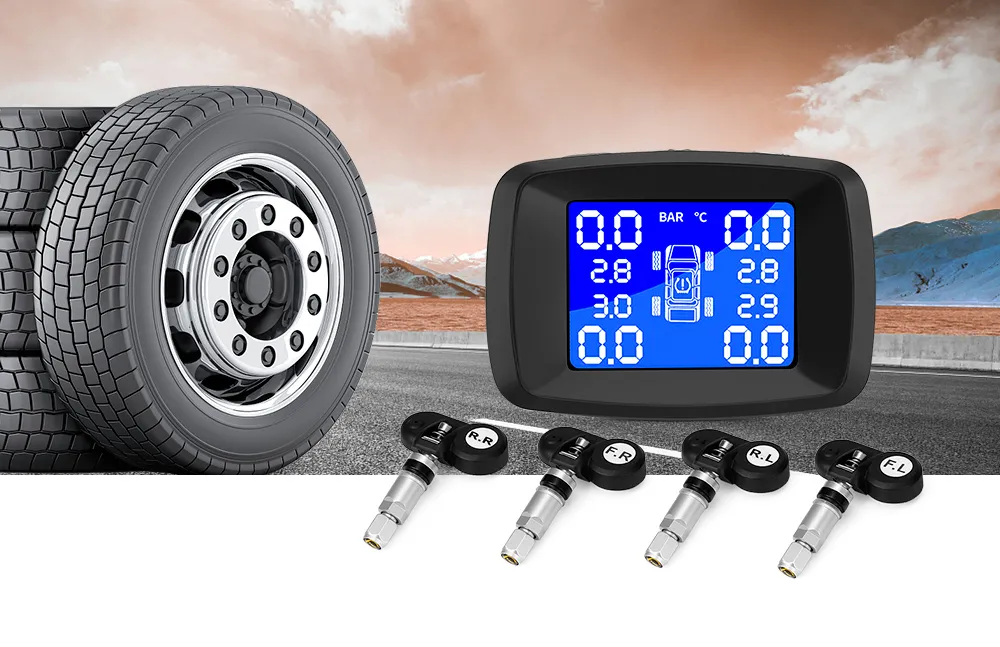
The Tire Pressure Monitoring System Market continues to grow in significance, driven by automotive safety regulations and rising consumer awareness. However, its adoption is not without challenges. Key hurdles such as system integration, routine maintenance, and insufficient end-user education continue to hinder the full potential of TPMS across diverse vehicle categories and global markets.
Integration with Existing Vehicle Systems
One of the foremost challenges lies in the seamless integration of TPMS with a vehicle’s existing electronics architecture. TPMS must coordinate with:
-
The vehicle's onboard diagnostics (OBD)
-
Infotainment systems
-
Telematics platforms
In legacy vehicles, retrofitting TPMS requires modifications that are often costly or technically complex. Even in new vehicles, compatibility issues arise when OEMs attempt to consolidate multiple sensing systems into one streamlined module. This increases the engineering burden and extends product development cycles.
Maintenance and Sensor Life Cycle
TPMS sensors are battery-powered devices with a typical life span of 5–10 years. Maintenance-related issues include:
-
Sensor failure due to battery depletion
-
Sensor damage during tire changes
-
Recalibration needs after rotation or alignment
Many consumers and even some mechanics remain unaware of these maintenance nuances. A lack of standardization in sensor placement, calibration protocols, and warning signal interpretation adds complexity to servicing, leading to inconsistent user experiences and reduced confidence in the system.
Customer Awareness and Misconceptions
TPMS benefits are often underappreciated by everyday drivers, especially in markets where tire safety has not historically been a priority. Common misconceptions include:
-
Belief that TPMS replaces the need for manual checks
-
Misunderstanding of warning symbols
-
Ignoring alerts due to false positives
Without proper education, consumers may either misuse TPMS or disable it entirely. For instance, drivers may continue operating their vehicle with a flashing TPMS warning light, assuming it’s a minor issue. This compromises both safety and the system’s intended purpose.
Cost Sensitivity and Aftermarket Limitations
In emerging markets or among budget-conscious consumers, TPMS is sometimes viewed as a luxury feature rather than a necessity. OEMs may limit TPMS availability to premium models or make it optional in low-end vehicles, reducing its accessibility. In the aftermarket:
-
Affordable TPMS kits may lack certification
-
Installation is often poorly executed
-
Support and service are inconsistent
These problems lower trust in TPMS and deter wider adoption, especially in regions where automotive literacy is low and price sensitivity is high.
Environmental and Disposal Concerns
As TPMS adoption increases globally, so does the volume of electronic waste generated by expired or damaged sensors. Many sensors are not recyclable and contain materials such as lithium that require proper disposal. Improper handling poses environmental risks and regulatory challenges, particularly in regions lacking e-waste management infrastructure.
This environmental footprint has prompted calls for:
-
Eco-friendly sensor designs
-
Energy harvesting alternatives
-
Sustainable production practices
Manufacturers who fail to address these concerns risk regulatory penalties and reputational damage.
Inconsistent Training in Service Networks
TPMS requires specific knowledge to diagnose, service, and recalibrate. However, service centers—especially in rural or low-tier markets—may lack trained personnel and proper diagnostic tools. Inconsistent technician competency leads to:
-
Frequent misdiagnosis
-
Incorrect sensor replacements
-
Faulty system resets
This undermines customer satisfaction and inflates long-term maintenance costs. The lack of universal training standards remains a barrier to effective TPMS integration and post-sales service delivery.
Software and Firmware Updates
Modern TPMS systems with digital interfaces require occasional firmware updates to fix bugs or improve compatibility. However, many consumers are unaware of how to initiate these updates, and service centers may not prioritize them. This results in:
-
Obsolete software in vehicles
-
Missed performance improvements
-
Security vulnerabilities in connected systems
OEMs and vendors must ensure update processes are streamlined and communicated clearly to both technicians and vehicle owners.
Overcoming These Challenges
To address these pressing issues, stakeholders in the TPMS value chain should consider the following actions:
-
Develop user-friendly manuals and mobile apps to enhance customer understanding and engagement
-
Standardize integration protocols across vehicle platforms to simplify engineering efforts
-
Launch technician certification programs to ensure high-quality servicing
-
Introduce sensor recycling initiatives to reduce environmental impact
-
Offer subscription-based TPMS services with remote diagnostics and software updates
These steps can create a more holistic ecosystem for TPMS functionality, ownership, and longevity.
Conclusion: Bridging the Gap Between Innovation and Implementation
The Tire Pressure Monitoring System Market offers remarkable potential, but its success depends on overcoming real-world challenges around integration, maintenance, and user education. For TPMS to become a universally trusted safety feature, all industry participants must invest in awareness, accessibility, and sustainable operations.

 English
 Arabic
 Français
 Español
 Português
 Deutsch
 Dutch
Dutch
 Italiano
 Russian
 Romaian