


Why Aluminium Circle Weight Matters in Induction Cookware Design
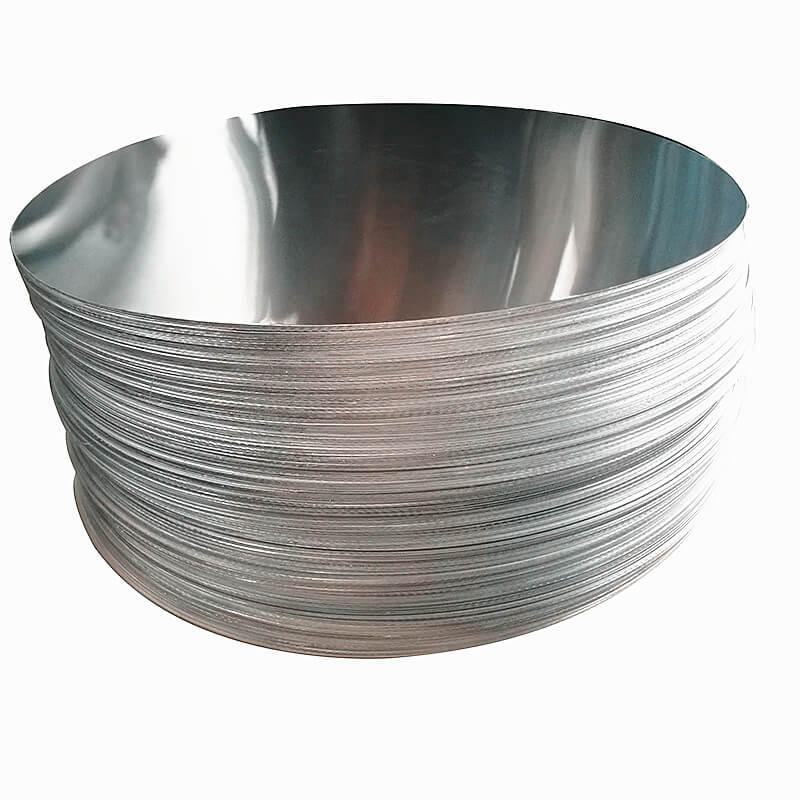
In the booming market of induction-compatible cookware, aluminium continues to play a major role—especially when combined with other metals like stainless steel or ferrous coatings. But one frequently overlooked factor in early-stage design is the weight of the aluminium circle at the base of these products.
Induction Cooking: A Quick Overview
Induction stoves use electromagnetic fields to heat cookware directly. For this to work, the base of the cookware must be ferromagnetic, such as steel. However, aluminium, prized for its excellent thermal conductivity and lightweight properties, is often layered beneath or around the ferromagnetic base.
Weight Considerations in Induction Base Cookware
Base Stability:
A heavier aluminium circle gives a pan a stable, balanced feel. Too light, and the cookware might shift or spin on the stove.
Heat Distribution:
While aluminium is lightweight, it spreads heat well. The more mass (i.e., heavier aluminium), the better it can handle heat retention and distribution, avoiding hot spots.
Consumer Preference:
Studies have shown that consumers often equate weight with quality. If your aluminium base is too light, it can give the impression of flimsiness, even if it performs well.
Case Study: 300mm Aluminium Circle for a 28cm Fry Pan
2mm Thickness: ~1.27 kg
3.5mm Thickness: ~2.22 kg
That difference can make or break the perception of a pan’s quality. The heavier one feels more premium, stays steady during use, and supports even heating.
Important Trade-offs
Too Heavy = Costly: Shipping and raw material costs rise.
Too Light = Warping Risk: Thin aluminium circles may warp under rapid induction heating.
Coating Compatibility: Thicker aluminium bases support better adhesion of non-stick or induction plates.
Alloy Selection Impacts Weight Too
Aluminium alloys like 1050 (pure aluminium) vs 3003 (manganese alloyed) have different densities and mechanical properties. For induction cookware, 3003 is often preferred for better strength at slightly higher weight.
Final Thoughts
The weight of the aluminium circle isn't just about shipping—it impacts functionality, aesthetics, and user experience. In induction cookware, it’s a balancing act between conductivity, compatibility, and comfort. Designers and manufacturers should not overlook this detail, especially when competing in high-performance or premium cookware markets.

 Arabic
 Français
 Español
 Português
 Deutsch
 Türkçe
 Dutch
Dutch
 Italiano
 Russian
 Romaian