


Chatbots in B2B – Automating Conversations That Drive Growth
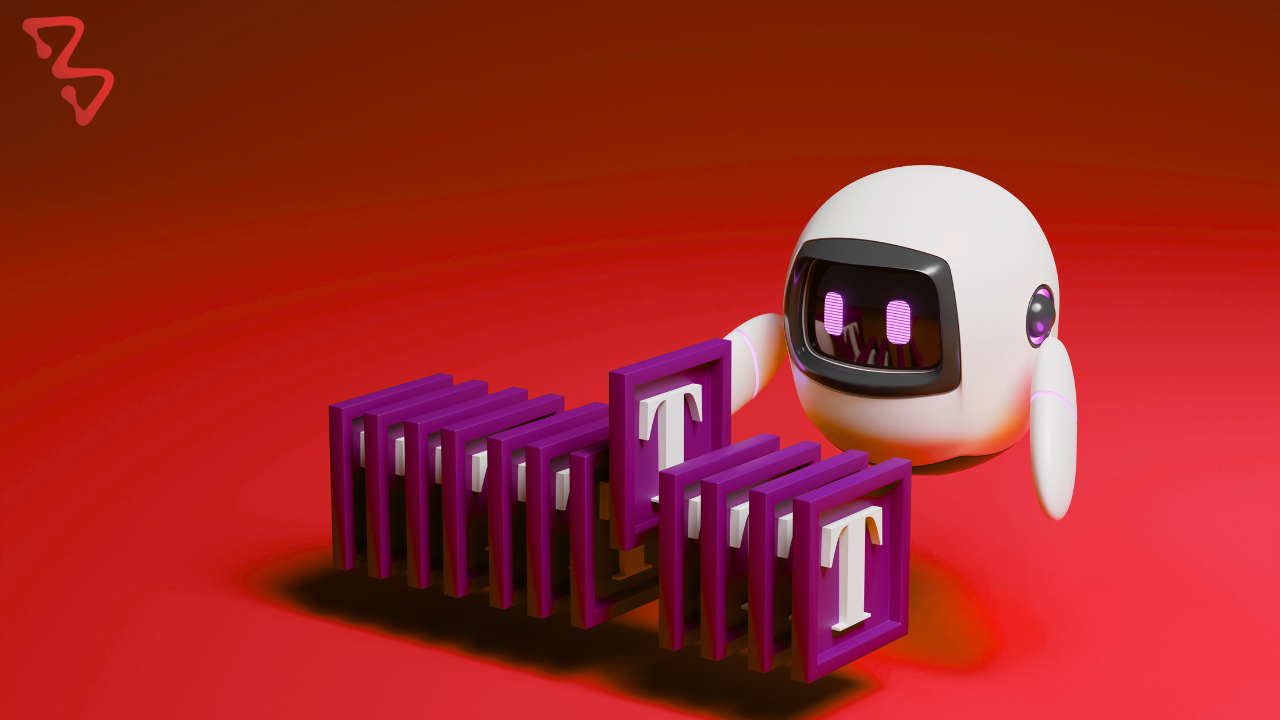
In today’s digital-first world, B2B companies face increasing pressure to deliver faster responses, personalized services, and round-the-clock availability. While traditional support systems often struggle to keep up with this demand, chatbots are stepping in as reliable business partners. They are no longer seen as just “customer service tools” but as growth enablers that streamline communication, reduce costs, and create better client experiences.
The Growing Role of Chatbots in B2B
Unlike B2C interactions, B2B conversations are more complex, involve larger deal values, and require detailed discussions. A potential client visiting a company website might need in-depth product comparisons, pricing models, or integration details. Instead of waiting for a sales representative, chatbots can instantly provide structured information, helping businesses respond faster and close deals more efficiently.
For example, a software company can use a chatbot to:
-
Qualify leads by asking pre-set questions.
-
Direct potential clients to tailored demos.
-
Provide case studies or product documents instantly.
This creates a seamless journey that feels efficient and professional for clients while saving the business valuable sales time.
Internal Use: Boosting Employee Productivity
Chatbots are also changing the way B2B organizations work internally. Employees no longer need to submit tickets or wait days for IT or HR responses. Instead, internal chatbots handle:
-
Onboarding guidance for new hires.
-
Quick IT troubleshooting.
-
Policy and compliance queries.
-
Automating repetitive workflows like timesheet reminders.
By automating everyday processes, chatbots free up employee time, leading to higher productivity and job satisfaction.
Building Stronger Client Relationships
One of the biggest challenges in B2B is keeping clients engaged after a deal is signed. Chatbots help maintain that relationship by offering:
-
24/7 Support: Clients across different time zones can get instant answers.
-
Proactive Engagement: Bots can send reminders, renewal alerts, or updates about new features.
-
Personalized Experiences: AI-driven chatbots adapt their responses based on past interactions.
This makes clients feel valued, ensuring long-term loyalty and repeat business.
Emerging Trends in B2B Chatbots
The chatbot industry is evolving quickly, and new trends are shaping how businesses use them:
-
Data Integration: Bots are increasingly linked with CRMs and ERPs to provide real-time insights during conversations.
-
Conversational Analytics: Businesses can now extract valuable data from chatbot interactions to better understand client needs.
-
Voice Bots: Beyond text-based communication, voice-enabled chatbots are becoming popular in B2B, offering natural, hands-free interaction.
Why B2B Companies Should Act Now
As the competition grows fiercer, B2B companies that embrace chatbots early gain a critical advantage. They can respond faster, serve clients better, and scale operations without adding huge costs. Waiting too long may result in lost deals, frustrated clients, and missed opportunities.
The Bottom Line
Chatbots are no longer a “nice-to-have” feature for B2B businesses—they are essential to staying competitive in a digital-driven economy. By automating conversations, simplifying workflows, and building stronger relationships, chatbots create measurable value that drives growth.
Looking to strengthen your B2B engagement with smart automation? Explore BM Infotrade’s innovative Virtual Bot Solutions and transform the way your business communicates and grows.

 Arabic
 Français
 Español
 Português
 Deutsch
 Türkçe
 Dutch
Dutch
 Italiano
 Russian
 Romaian