


How to Animate a Character in 2025: A Complete Guide for Beginners and Pros
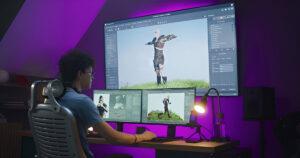
Animation has always been about breathing life into drawings, shapes, or 3D models. In 2025, the process of bringing characters to life has become more accessible than ever, thanks to advanced software, automation, and online tutorials. Whether you’re an aspiring artist, a professional animator, or a YouTube creator looking to enhance your animatedvideos, learning how to animate a character is a skill that will set you apart in the digital space.
This guide walks you through the essentials of character animation—from shape language character design to animation tools like Toon Boom Animate, and techniques such as animation tweening.
Why Character Animation Matters in 2025
In today’s crowded digital landscape, characters play a huge role in engaging audiences. Whether it’s a mascot in an advertisement, a hero in a feature film, or a quirky character in a TikTok short, character animation makes brands and stories memorable.
Here’s why character animation is so impactful in 2025:
-
Instant Engagement: Animated characters grab attention faster than static images.
-
Emotional Connection: Well-animated characters feel alive and relatable.
-
Cross-Platform Use: From games to explainer videos to animatedvideos for marketing, characters can live across multiple media.
-
Brand Identity: Many creators and businesses design unique characters to represent their brand.
Learning how to animate a character opens up opportunities in entertainment, advertising, education, and even personal branding.
Step 1: Shape Language Character Design
Before you animate, you need a character design. This is where shape language character design comes in—a fundamental principle that defines how audiences perceive your character.
-
Circles: Soft, friendly, approachable characters. Great for mascots or kid-friendly animations.
-
Squares: Stable, dependable, and strong. Perfect for heroic or reliable characters.
-
Triangles: Sharp, edgy, and dynamic. Ideal for villains or energetic personalities.
By mixing and exaggerating these shapes, animators create silhouettes that instantly communicate personality traits. For example, a circular mascot for a health app communicates friendliness, while a triangular tech mascot suggests innovation and speed.
Pro Tip: Always test your design as a silhouette. If the character is recognizable in silhouette form, it will stand out in animation and branding.
Step 2: Choosing the Right Software
In 2025, animators have access to a wide range of tools, but one of the most respected in the industry is Toon Boom Animate. Known for its professional-grade features, Toon Boom is widely used in TV shows, animated films, and YouTube content.
Key Benefits of Toon Boom Animate:
-
Rigging Systems: Helps create reusable character rigs.
-
Advanced Drawing Tools: Perfect for refining character lines and shapes.
-
Seamless Animation Tweening: Reduces the workload by generating smooth frames between key poses.
-
Cross-Platform Export: Ideal for creating both short animatedvideos and large-scale productions.
Other beginner-friendly alternatives include Adobe Animate, Blender (for 3D), and online platforms like Vyond. However, for professionals, Toon Boom remains a top choice.
Step 3: Key Poses and Animation Tweening
Once your character is designed and imported into software, it’s time to animate. This is where animation tweening becomes a game-changer.
What is Animation Tweening?
Tweening (short for in-betweening) is the process of generating intermediate frames between two key poses to create smooth motion.
How It Works:
-
Set Key Poses – Draw the main extremes of a movement (e.g., a jump’s start and end).
-
Apply Tweening – Let the software generate the frames in between.
-
Refine Manually – Adjust timing, spacing, and exaggeration for more life-like motion.
Benefits of Animation Tweening:
-
Saves time compared to drawing every frame manually.
-
Ensures smoother, more natural movement.
-
Ideal for repetitive tasks (walking cycles, blinking, waving).
-
Perfect for scalable content like animatedvideos where consistency matters.
Even professionals rely on tweening to streamline their workflow, freeing them to focus on creativity instead of repetitive tasks.
Step 4: Adding Personality and Expression
Knowing how to animate a character isn’t just about movement—it’s about performance. The way a character smiles, blinks, or tilts their head says more than dialogue sometimes.
Tips for Adding Personality:
-
Use exaggerated motions for comedic effect.
-
Slow down certain actions to show thought or emotion.
-
Sync body language with facial expressions.
-
Use squash and stretch techniques to add life.
Even in simple animatedvideos, these techniques make characters engaging and memorable.
Step 5: Animation for Different Formats
Character animation isn’t one-size-fits-all. Your approach depends on the platform and audience.
-
YouTube & Social Media: Short, catchy animations with bold expressions grab attention quickly.
-
Explainer Videos: Characters should guide viewers clearly, often using friendly shape language character design.
-
Gaming: More complex rigs and smooth animation tweening are needed for interactivity.
-
Film & TV: Requires more detail, layered performances, and professional-grade tools like Toon Boom Animate.
Understanding the end use of your character ensures your animation fits the medium perfectly.
AnimatedVideos and Branding
More brands are embracing animatedvideos for marketing, and characters are at the core of this trend. For example:
-
A fintech app might use a square-shaped, stable mascot to suggest reliability.
-
A kids’ toy company might design a round, playful character with bouncy animations.
-
A gaming YouTuber could create a triangular, edgy avatar to match their content.
These animated characters not only entertain but also strengthen brand identity, making the company or creator instantly recognizable.
Future Trends in Character Animation
In 2025 and beyond, character animation continues to evolve:
-
AI-Assisted Animation: AI tools now predict in-betweens, facial expressions, and even generate full animatedvideos from simple sketches.
-
Hybrid Workflows: Animators combine hand-drawn techniques with advanced animation tweening for a unique style.
-
AR & VR Characters: Characters interact with audiences in immersive 3D spaces.
-
Custom Avatars for Creators: YouTubers and streamers increasingly rely on custom characters designed with strong shape language character design.
Staying aware of these trends ensures your work remains relevant and impactful.
Final Thoughts
Learning how to animate a character in 2025 is about blending timeless principles with modern technology. From shape language character design that defines personality, to professional tools like Toon Boom Animate, and efficient methods such as animation tweening, today’s animators have everything they need to create engaging, memorable characters.
Whether you’re making short animatedvideos for marketing or working on a full-length film, mastering character animation is the key to standing out in the digital era. Remember: great animation doesn’t just move—it performs, entertains, and connects.

 English
 Arabic
 Français
 Español
 Português
 Deutsch
 Dutch
Dutch
 Italiano
 Russian
 Romaian