


Naval Warfare Strategy
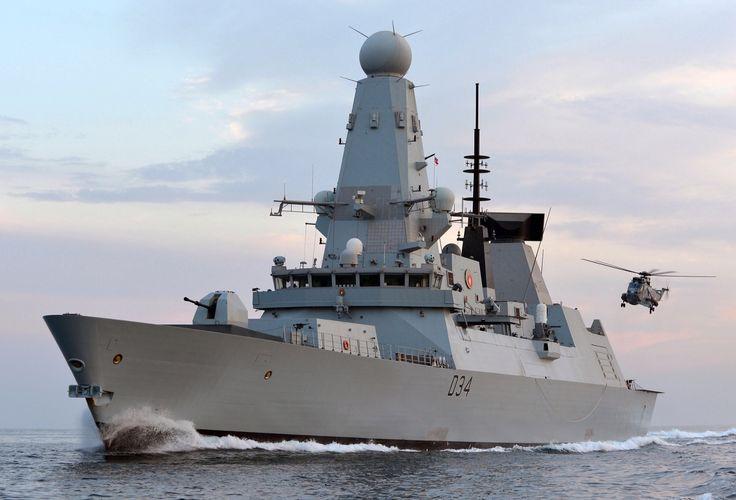
For centuries, the oceans have been more than just vast expanses of water; they have been the stage for some of history’s most decisive battles and the key to global dominance. From the era of wooden sailing ships to today’s nuclear-powered carriers and missile-equipped submarines, Naval Warfare Strategy has continually evolved to reflect technological advances, shifting alliances, and the demands of national security.
A Brief Look Back: The Historical Foundation
The roots of naval warfare strategy can be traced back to ancient civilizations. The Greeks and Romans leveraged fleets to project power, while the Vikings used fast, maneuverable ships to raid and control territories. The Age of Sail further emphasized strategic dominance at sea—nations like Britain solidified global empires by controlling maritime trade routes, relying on naval supremacy as the backbone of their economic and military power.
Alfred Thayer Mahan, a 19th-century naval theorist, famously argued that “whoever controls the seas, controls the world.” His ideas still influence modern naval doctrines, underlining the enduring importance of sea power in global strategy.
The Modern Dimensions of Naval Warfare Strategy
Today, Naval Warfare Strategy is far more than the movement of ships—it is a multidimensional framework involving technology, intelligence, cyber capabilities, and geopolitics. Several key dimensions shape the modern maritime battlefield:
-
Carrier Strike Groups (CSGs):
Aircraft carriers remain the centerpiece of power projection. They serve as mobile airbases, extending a nation’s ability to influence events far from home. The U.S. Navy’s reliance on CSGs exemplifies how naval strategy intertwines with diplomatic signaling and deterrence. -
Submarine Warfare:
Stealthy and lethal, submarines have redefined naval engagements. From nuclear deterrence with ballistic missile submarines to hunter-killer subs tracking enemy fleets, they play a pivotal role in maintaining strategic balance. -
Amphibious and Littoral Operations:
Modern navies must also prepare for coastal warfare, supporting ground forces through amphibious assaults and securing chokepoints like the Strait of Hormuz or the South China Sea. -
Cyber and Electronic Warfare:
Naval warfare has expanded beyond physical waters. Today’s strategies must defend against cyber intrusions targeting navigation, communications, and weapons systems. Control of information is now as vital as control of sea lanes.
Geopolitical Hotspots and Naval Strategy
The importance of naval warfare strategy becomes clear when examining current global flashpoints:
-
South China Sea: A contested maritime region where freedom of navigation operations and artificial island militarization test the balance of power.
-
Arctic Routes: Melting ice opens new sea lanes, sparking competition among nations for control of resources and shipping lanes.
-
Indian Ocean: A critical trade artery, where strategic bases and alliances influence the stability of surrounding regions.
Each of these arenas highlights how naval strategy is not confined to war but also serves as a tool of diplomacy, deterrence, and influence.
The Future of Naval Warfare Strategy
As technology races ahead, the future of naval warfare strategy will look vastly different from today. Several trends are shaping this evolution:
-
Autonomous Vessels & Drones: Unmanned surface and underwater vehicles will expand surveillance, reconnaissance, and combat capabilities while reducing risks to human life.
-
Artificial Intelligence (AI): AI-driven decision-making will help navies anticipate threats and respond faster in complex scenarios.
-
Hypersonic Weapons: With unmatched speed and maneuverability, these weapons will challenge existing defense systems and require new tactical thinking.
-
Green Naval Technology: Climate concerns are pushing navies toward sustainable fuels and energy-efficient vessels, integrating environmental responsibility into strategy.
Why Naval Warfare Strategy Still Matters
In an era of globalization, where 90% of world trade moves by sea, the importance of naval dominance cannot be overstated. Control of sea lanes ensures economic security, deters adversaries, and provides leverage in global politics. While cyber warfare and space command are emerging domains, the ocean remains the arena where great powers display strength and secure prosperity.
Conclusion
Naval Warfare Strategy has never been static—it reflects the spirit of innovation, adaptation, and foresight. From wooden ships in the past to autonomous fleets of the future, navies will continue to be a decisive factor in shaping world affairs. The nations that master naval strategy will not only safeguard their borders but also steer the course of global history.

 English
 Arabic
 Español
 Português
 Deutsch
 Türkçe
 Dutch
Dutch
 Italiano
 Russian
 Romaian