


Gas Hot Water Done Right
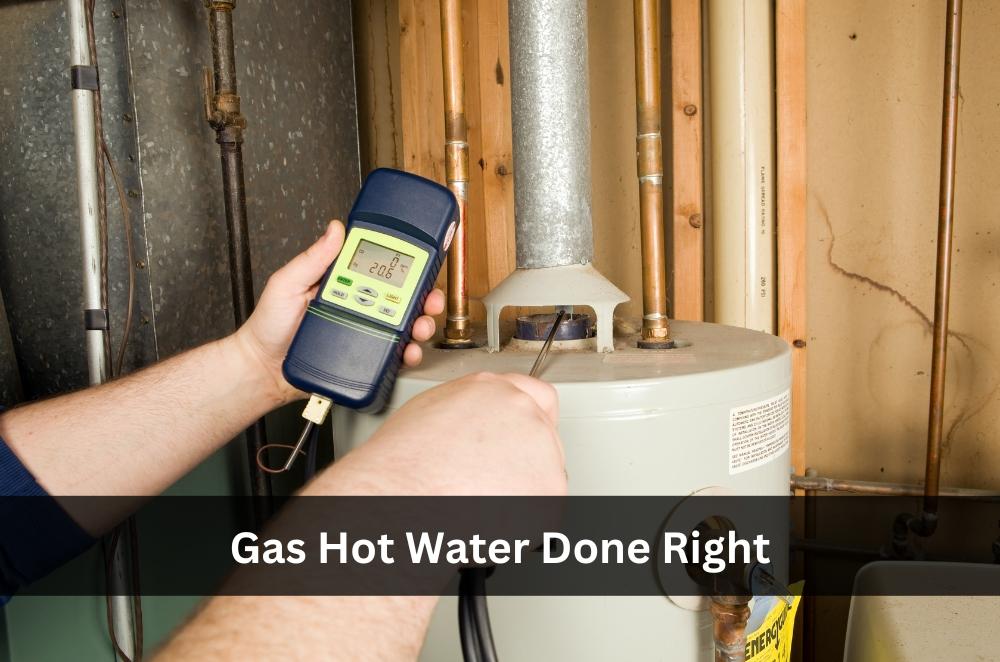
Hot showers shouldn’t require detective work, yet plenty of homes ride the line between lukewarm and scalding. The fix often begins with selecting the right gas hot water system and installing it correctly. We look at capacity, efficiency, and recovery rates, then balance upfront spend against running costs. Sydney’s water, winters, and household rhythms all matter. Go too small and you’ll chase heat; go too big and you’ll burn gas for nothing. We also think about maintenance access and venting, so future servicing isn’t a pain. In short, clear advice beats guesswork, and a brilliant plan keeps showers steady, bills sensible, and downtime low. That’s good tradecraft for homes everywhere.
What determines the right capacity?
Peak demand, inlet temperature, and how your household actually uses hot water decide capacity. We size for the busiest minute of the day, then select burners and storage that recover quickly without wasting gas.
Families with teens, dishwashers on timers, and back-to-back showers put systems to the test. We factor in mains pressure, pipe runs, and whether you prefer instantaneous or storage. Continuous-flow units deliver hot water on demand but need correct gas sizing and fluing. Storage systems handle short bursts well, provided the tank is insulated and recovery is swift. The right choice also depends on space, noise, and future renovations. When we plan capacity, we account for winter inlet drops and the reality of “everyone gets ready at once,” not a lab test.
• Typical home: 20–26 L/min instantaneous
• Busy household: 2 bathrooms need robust recovery
• Small flat: compact unit with smart controls
How do running costs stack up?
Gas remains competitive when systems are correctly sized and well-maintained. Efficiency ratings, thermostat settings, and water-saving fixtures have more impact on bills than most people expect.
A well-tuned system avoids short-cycling and heat loss. Lag your hot-water lines, set temperatures sensibly, and service the burner annually. Star ratings aren’t marketing fluff; they describe fundamental fuel use differences over the years. We also consider tariffs and whether you pair gas with solar pre-heat for hybrid gains. Pay attention to fixtures: low-flow, good-feeling showers cut litres without sacrificing comfort. And don’t forget scale—Sydney’s water can leave deposits that quietly drag efficiency down.
• Insulate exposed hot-water pipes
• Set thermostats around 50–55 °C
• Service burners and valves yearly
When should a system be replaced?
Frequent outages, rising gas use, rusty water, or a leaking tank signal replacement is due. If repairs exceed a sensible fraction of the system’s value, upgrading usually wins on comfort and cost.
Older tanks can limp along with new anode rods and valves, but metal fatigue and scale eventually win. Continuous-flow units fail differently—ignition problems, sensors, or heat exchangers past their prime. We weigh repair quotes against warranty status and the efficiency jump a modern unit delivers. Space constraints and flue paths are important considerations, as is compliance with current standards. The goal is simple: fewer cold surprises and bills that don’t creep north. A clean install with good access also makes every future service faster and cheaper.
Conclusion
Hot water should be quiet, reliable, and affordable. Get the sizing right, prioritise installation quality, and stay on top of servicing. If your unit is aging or temperamental, a measured upgrade can lift comfort while trimming gas use. For a practical primer on tank issues and when repair makes sense in our city, finish with Sydney hot water repair basics.

 English
 Arabic
 Français
 Español
 Português
 Deutsch
 Türkçe
 Dutch
Dutch
 Russian
 Romaian