


Total Hip Replacement Explained: Procedure to Recovery
Living with constant hip pain can make everyday life extremely difficult. Simple tasks like walking, bending, or even sitting can feel like a challenge. For many people, when pain relief methods such as medication, physiotherapy, and lifestyle changes no longer work, a total hip replacement becomes the best option.
This guide explains the procedure, why it’s done, the recovery process, and the benefits you can expect.
What Is a Total Hip Replacement?
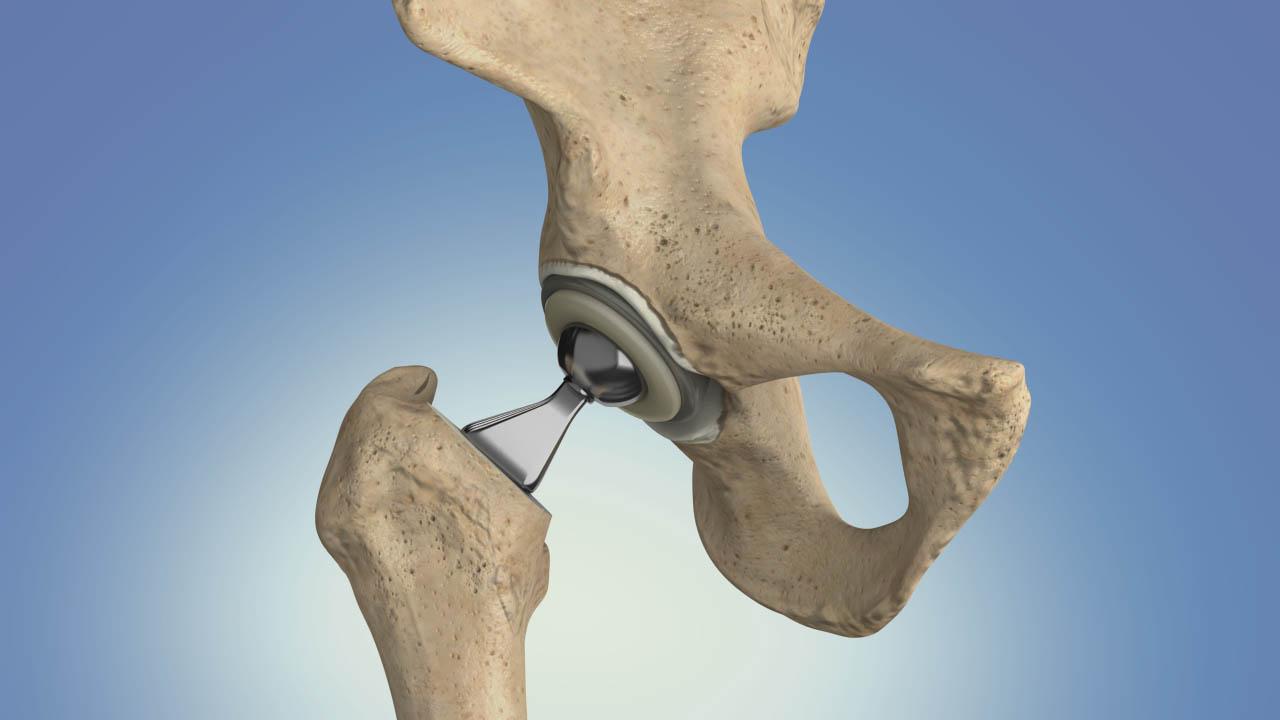
A total hip replacement (hip arthroplasty) is a surgical procedure that replaces the damaged parts of the hip joint with artificial components.
The hip joint works like a ball and socket. When cartilage wears away or the joint is injured, movement becomes painful. In this surgery:
-
The damaged femoral head (the “ball”) is replaced with a metal or ceramic ball.
-
The socket in the pelvic bone is replaced with a cup-like implant.
-
A smooth liner is added so the joint moves without friction.
According to the Australian Orthopaedic Association National Joint Replacement Registry, over 50,000 hip replacements are performed each year in Australia, with most patients experiencing excellent outcomes.
Who Needs Hip Replacement Surgery?
Not all hip pain leads to surgery. Doctors recommend it when other treatments no longer work.
Common reasons include:
-
Osteoarthritis – The most frequent cause of hip replacements.
-
Rheumatoid arthritis – Autoimmune inflammation that damages joints.
-
Hip fractures – Severe breaks that cannot be repaired.
-
Avascular necrosis – Poor blood supply leading to bone collapse.
-
Developmental hip dysplasia – Structural issues from childhood.
Signs It Might Be Time for Surgery
Your doctor may suggest hip replacement if you experience:
-
Ongoing pain even while resting or sleeping.
-
Difficulty walking, climbing stairs, or standing.
-
Limited movement and flexibility.
-
No improvement with non-surgical treatments.
A 2021 BMJ Open study showed that patients who delayed surgery often reported poorer quality of life compared to those who had surgery earlier.
Preparing for Surgery
Proper preparation helps recovery go smoothly.
Before surgery, you may need to:
-
Complete medical tests such as X-rays and blood work.
-
Strengthen hip and leg muscles with physiotherapy.
-
Adjust medications if advised by your doctor.
-
Prepare your home to reduce fall risks after surgery.
Some hospitals also run pre-surgery education sessions to help patients understand what to expect.
How the Procedure Is Performed
Hip replacement usually takes 1–2 hours.
Step 1: Anaesthesia
You’ll receive either general anaesthesia (asleep) or spinal anaesthesia (numb from the waist down).
Step 2: Removing Damaged Tissue
The surgeon removes the damaged femoral head and prepares the hip socket.
Step 3: Placing the Implants
-
A stem is inserted into the thighbone.
-
A new ball is attached to the stem.
-
A new socket is placed in the pelvic bone.
-
A liner is added to allow smooth movement.
Step 4: Closing the Incision
The surgeon closes the incision, and the recovery phase begins.
Types of Hip Replacement
-
Total hip replacement – Both ball and socket replaced.
-
Partial hip replacement – Only the ball is replaced.
-
Cemented implants – Fixed with bone cement.
-
Cementless implants – Rely on bone growth for stability.
-
Minimally invasive surgery – Uses smaller cuts for quicker healing.
Risks and Complications
Hip replacement is safe, but some risks exist:
-
Blood clots
-
Infection
-
Dislocation
-
Implant wear or loosening
-
Leg length differences
Most complications are rare. Research in The Lancet shows that over 90% of hip replacements last at least 15 years, and 80% last more than 20 years.
Recovery After Hip Replacement
In the hospital
-
Stay is usually 2–5 days.
-
Physiotherapy begins within 24 hours.
-
Pain management is closely monitored.
At home
-
Use of crutches or a walker is common for the first weeks.
-
Light exercises help strengthen muscles.
-
Patients are advised to avoid bending too far or twisting the hip.
Timeline
-
6 weeks – Many patients walk with little support.
-
3 months – Normal daily activities can resume.
-
6–12 months – Most patients achieve full recovery.
Benefits of Hip Replacement
The impact of hip replacement can be life-changing.
-
Significant pain reduction
-
Better flexibility and mobility
-
Improved quality of life
-
Long-lasting relief—implants can last decades
A study in Arthritis Care & Research found that 90% of patients reported major improvement in pain and mobility within a year of surgery.
Life After Hip Replacement
Most people return to normal life and even light sports.
Activities you can enjoy:
-
Walking, swimming, cycling, yoga, and golf.
Activities to avoid:
-
High-impact running or jumping.
-
Heavy lifting that stresses the joint.
Patients often say the surgery helps them regain not just movement, but independence and confidence.
Choosing the Right Surgeon
The skill and experience of your surgeon are vital for a successful outcome. If you’re in Western Australia, consulting a trusted orthopaedic surgeon in Perth ensures you receive professional guidance and personalised treatment.
Conclusion
A total hip replacement is more than just a medical procedure; it’s a path to living without pain, moving freely, and enjoying life again. With high success rates, advanced surgical methods, and effective recovery plans, it is one of the most reliable orthopaedic surgeries today.
If hip pain is limiting your lifestyle, talking with an experienced surgeon could be the first step toward regaining comfort, mobility, and independence.

 Arabic
 Français
 Español
 Português
 Deutsch
 Türkçe
 Dutch
Dutch
 Italiano
 Russian
 Romaian