


Manual Lathe Machine Guide for Beginners & Experts
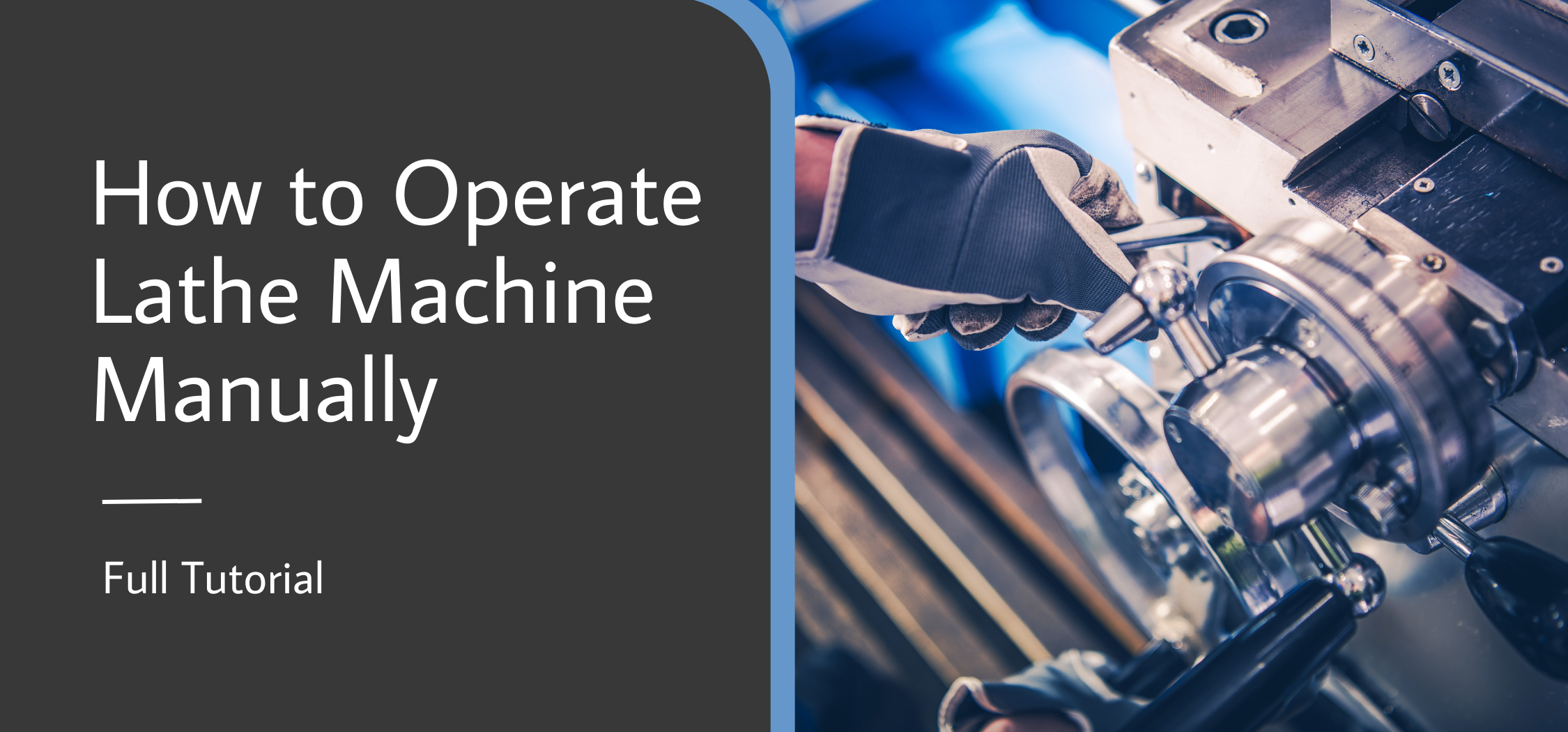
Machining has been the backbone of manufacturing for centuries, shaping raw materials into usable components with accuracy and skill. Among the oldest and most versatile tools in machining history is the manual lathe machine, a piece of equipment that continues to hold its value in workshops worldwide. While the rise of CNC (Computer Numerical Control) machines has modernized production, manual lathes remain indispensable because they teach the fundamentals of craftsmanship, precision, and problem-solving.
Understanding how a manual lathe works is not just about operating a machine it’s about developing a deeper connection with the art of machining. For both hobbyists and professionals, mastering the lathe opens doors to endless possibilities in design and manufacturing. This guide explores everything you need to know about manual lathe machines, from their history and uses to the advantages they bring to workshops of all sizes.
What Is a Manual Lathe Machine?
A manual lathe machine is a machining tool designed to rotate a workpiece while various cutting tools shape, drill, bore, or polish it into a desired form. Unlike automated CNC lathes, manual lathes require hands-on operation, making them ideal for learning precision and technique.
According to the manual lathe machine guide, this tool has a long history in metalworking and woodworking, serving as a cornerstone for industries such as automotive, aerospace, and custom fabrication. From creating screws to turning intricate patterns, the manual lathe has proven itself to be a timeless machine.
Why Are Manual Lathes Still Important Today?
Despite the rise of CNC machines, manual lathes continue to play a significant role in modern workshops. They are cost-effective, versatile, and an excellent training ground for beginners who want to understand machining fundamentals. Learning to operate a manual lathe teaches the value of patience, focus, and precision qualities that automated machines can never replace.
Additionally, manual lathes excel in one-off or small-batch production. When quick adjustments or prototypes are required, operators can rely on manual control instead of lengthy programming processes. This makes them especially valuable for repair shops, educational institutions, and independent machinists.
How Does a Manual Lathe Machine Work?
At its core, the manual lathe functions on a simple principle: rotation and cutting. The workpiece is clamped onto a chuck or between centers and rotated at a chosen speed. A cutting tool is then carefully advanced toward the rotating piece, shaping it into the desired form.
Operators can control every detail, from feed rate and cutting depth to spindle speed, ensuring unmatched precision for unique projects. While it may take practice to master, the hands-on experience builds confidence and skill in machining fundamentals.
Advantages of Using a Manual Lathe
Manual lathes provide several key benefits that make them indispensable even in today’s high-tech environments:
-
Cost Efficiency :Manual lathes are far less expensive to purchase and maintain compared to CNC machines.
-
Training Tool : Perfect for beginners who want to grasp machining basics.
-
Flexibility :Quick adjustments and tool changes allow for custom one-off jobs.
-
Durability :With proper care, a manual lathe can last decades.
These advantages explain why workshops continue to invest in manual lathes, despite the availability of more advanced machines.
Common Applications of Manual Lathes
Manual lathes are used in a wide variety of applications, including:
-
Shaping metal and wood into cylindrical parts
-
Cutting precise threads for screws and bolts
-
Drilling, boring, and facing workpieces
-
Creating prototypes or repairing broken machine components
For machinists, the manual lathe is not just a tool it’s a foundation for creativity and problem-solving.
Skills You Develop When Using a Manual Lathe
Working with a manual lathe requires focus and discipline, but it also builds practical skills that benefit every machinist:
-
Precision measurement and calibration
-
Knowledge of cutting speeds and feed rates
-
Hand-eye coordination and steady control
-
Problem-solving for unique machining challenges
These skills serve as a stepping stone toward mastering advanced CNC machines while keeping traditional machining alive.
Safety Tips for Manual Lathe Operation
Safety is one of the most important aspects of working with a manual lathe. Operators must follow proper guidelines to avoid accidents:
-
Always wear protective eyewear
-
Secure clothing and avoid loose sleeves
-
Ensure workpieces are properly clamped
-
Never leave the machine running unattended
Following these practices ensures that machining remains both productive and safe.
Conclusion
The manual lathe machine is more than just a tool; it is a gateway to precision, creativity, and craftsmanship. While modern CNC machines dominate large-scale production, the manual lathe continues to thrive in small workshops, repair facilities, and classrooms. It teaches valuable skills that go beyond machining patience, attention to detail, and problem-solving.
For anyone looking to begin their journey in machining or strengthen their skills, understanding the fundamentals of the manual lathe is a crucial first step. It remains a timeless machine that bridges tradition with modern industry, reminding us that craftsmanship will always be at the heart of innovation.
FAQs
What materials can be machined on a manual lathe?
Manual lathes can work with metals, plastics, and wood, making them versatile across industries.
Is a manual lathe good for beginners?
Yes, it’s one of the best tools for beginners to understand machining fundamentals before moving to CNC equipment.
How is a manual lathe different from a CNC lathe?
Manual lathes require hands-on operation, while CNC lathes rely on programmed automation. Manual lathes are more cost-effective for small jobs.
Can I use a manual lathe at home?
Yes, smaller bench-top lathes are available for hobbyists, making it possible to use them in garages or home workshops.
How long does it take to learn manual lathe operation?
It varies, but with consistent practice, beginners can grasp the basics within a few months. Mastery takes longer but is worth the effort.

 English
 Arabic
 Español
 Português
 Deutsch
 Türkçe
 Dutch
Dutch
 Italiano
 Russian
 Romaian