


Essential Guide to Using a Lathe Chuck Key Safely
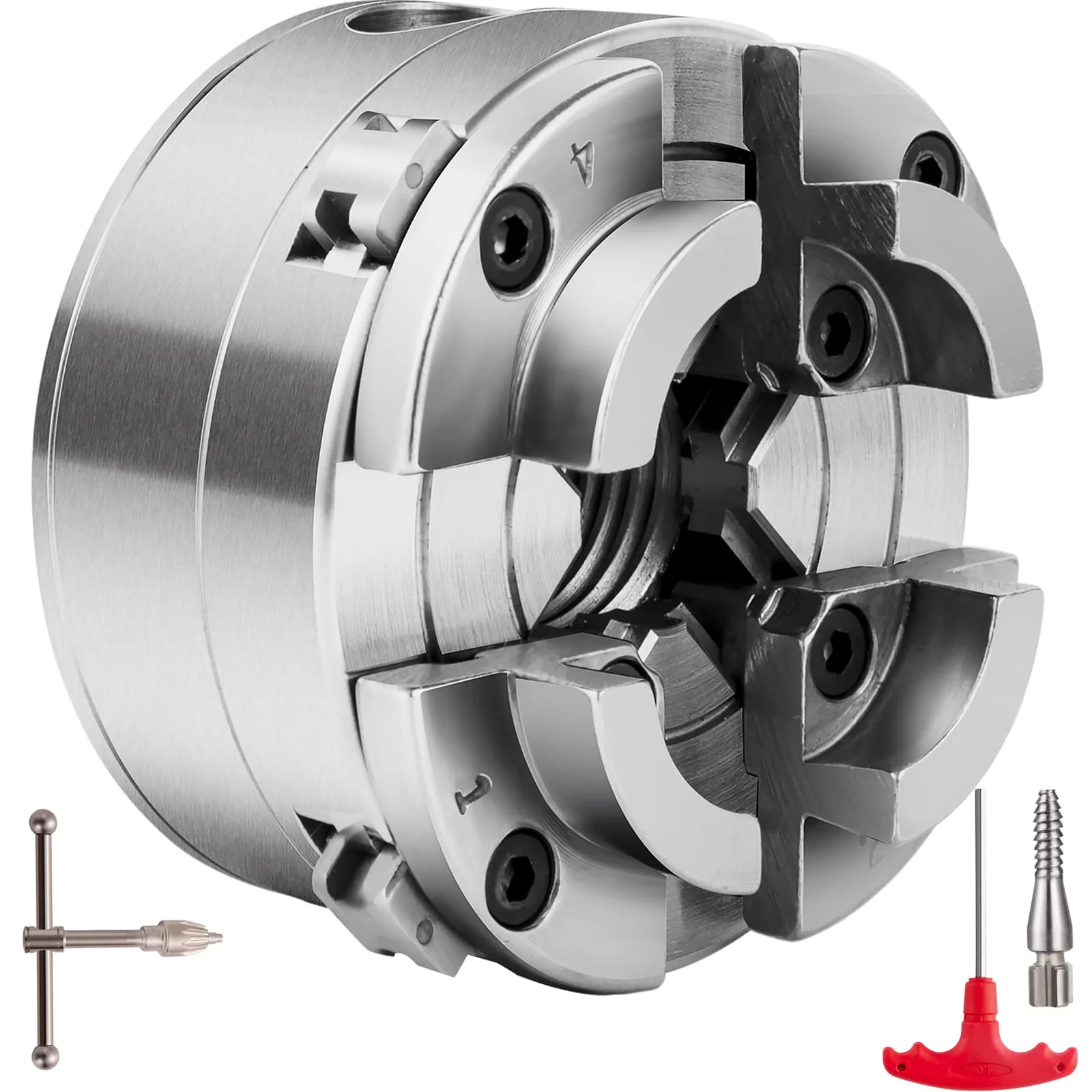
Machining and woodworking are crafts built on precision, discipline, and the correct use of tools. Among the essential instruments for anyone operating a lathe, the lathe chuck key plays a vital role. This seemingly simple device ensures that workpieces are securely held in place, enabling safe and efficient machining. Without a properly tightened chuck, not only is accuracy compromised, but safety also becomes a serious concern.
Whether you are a beginner stepping into the world of lathes or an experienced machinist working on complex projects, understanding how to use a lathe chuck key correctly is non-negotiable. The right knowledge and practice with this tool can transform your working experience, giving you confidence that your setup is stable and secure every time you start the machine.
What Is a Lathe Chuck Key?
A lathe chuck key is a hand tool designed to tighten or loosen the jaws of a lathe chuck, which holds the workpiece in place during machining. It typically has a T-shaped design, giving users the leverage needed to apply torque easily. Without the chuck key, it would be nearly impossible to adjust the grip of the chuck properly.
As explained in the detailed guide on the lathe chuck key, this small but indispensable tool ensures precision by securing the material firmly, allowing the lathe to cut, shape, and drill without vibration or slippage.
Why Is the Lathe Chuck Key So Important?
The importance of a lathe chuck key goes beyond convenience. It directly impacts safety and accuracy. If the chuck jaws are not tightened correctly, the workpiece may slip during rotation, leading to uneven results or even accidents.
For machinists and woodworkers alike, the chuck key is also a matter of efficiency. It allows quick adjustments between jobs, ensuring minimal downtime. By keeping the workpiece securely fixed, the operator can concentrate on technique and finish rather than worrying about stability.
How Do You Use a Lathe Chuck Key Correctly?
Using a lathe chuck key is straightforward, but it requires attention to detail. Place the key into the chuck socket, then turn it clockwise to tighten or counterclockwise to loosen. Always ensure that the key is fully seated before applying torque.
One of the most crucial rules is never to leave the chuck key in the chuck after tightening. This is a common mistake that can cause severe accidents if the lathe is turned on with the key still in place. Good practice is to make a habit of removing the key immediately after use and placing it in a designated spot.
Common Mistakes When Using a Chuck Key
Even experienced machinists can sometimes overlook basic safety practices. Some of the most common errors include:
-
Leaving the chuck key in the chuck after tightening.
-
Applying too much force, which may damage the chuck or workpiece.
-
Using a worn-out or damaged chuck key, leading to poor grip and unsafe tightening.
By avoiding these mistakes and following recommended guidelines, machinists can work with confidence and precision.
How Does a Lathe Chuck Key Enhance Safety?
Safety is always the number one priority in any machining or woodworking setup. A securely tightened workpiece reduces the risk of it being ejected at high speed, which can cause serious injuries. The lathe chuck key acts as the assurance that every project starts with stability.
Additionally, modern chuck keys are designed ergonomically to minimize operator strain, allowing for repetitive use without discomfort. Combined with consistent safety practices, this tool contributes significantly to a safer workspace.
The Connection Between Precision and Chuck Keys
Every project completed on a lathe relies on a foundation of precision. Even the most skilled machinist cannot achieve clean, accurate results if the workpiece shifts during operation. The chuck key ensures a solid starting point, making it as essential to craftsmanship as the lathe itself.
In many ways, it’s the unsung hero of machining. While advanced lathes and cutting tools often take center stage, the lathe chuck key quietly guarantees that every piece of equipment performs to its potential.
Why Every Workshop Needs a Reliable Chuck Key
For both hobbyists and professionals, investing in a high-quality chuck key is a smart decision. It saves time, prevents accidents, and improves the quality of every finished piece. A reliable chuck key is not just a tool, it's a safeguard and a productivity booster rolled into one.
Those setting up a workshop for the first time should prioritize obtaining a sturdy, well-fitted chuck key alongside their lathe. Without it, operating a lathe simply isn’t safe or practical.
Conclusion
Machining and woodworking are crafts that balance creativity with precision, and safety with skill. At the heart of this balance lies the humble lathe chuck key. While it may seem like a simple accessory, its role in ensuring both accuracy and security cannot be overstated.
Every time you use your lathe, the chuck key provides reassurance that your workpiece is stable and ready for shaping. For beginners, it builds confidence; for professionals, it sustains efficiency. Regardless of your level of experience, respecting the importance of this tool is essential to long-term success in machining and woodworking.Visit craftwithlathes to get more guidance.
FAQs
What size lathe chuck key do I need?
The size depends on the chuck of your lathe. Always check your machine’s specifications before purchasing to ensure compatibility.
Can I use a universal chuck key?
Some universal chuck keys exist, but for best results and safety, it’s better to use one designed for your specific lathe model.
Why should I never leave a chuck key in the chuck?
Because if the lathe is turned on with the key inside, it can be ejected at high speed, posing a serious hazard.
How often should I replace my lathe chuck key?
Replace it when you notice wear, bending, or damage. A faulty key can lead to unsafe tightening and poor performance.
Do beginners need special chuck keys?
Not necessarily. Beginners should use standard chuck keys but must pay extra attention to safety practices.

 English
 Arabic
 Français
 Español
 Deutsch
 Türkçe
 Dutch
Dutch
 Italiano
 Russian
 Romaian