


The Hidden Risks of Neglecting Building Maintenance
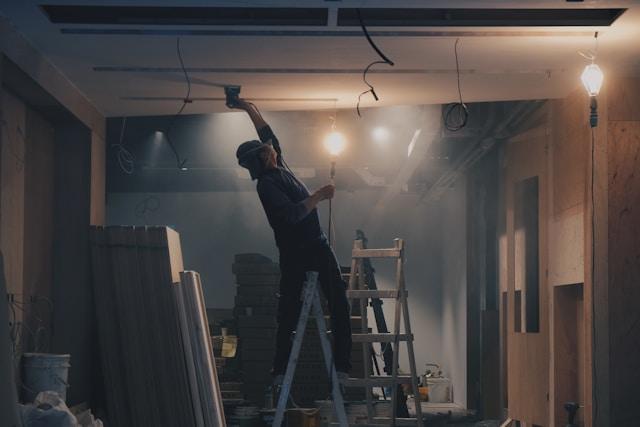
Maintaining a building involves more than just keeping it looking nice; it includes protecting assets, making sure everyone is safe, and preventing expensive problems. However, far too many property owners put out in doing maintenance until something breaks. Financial strain, safety risks, and long-term harm that could have been prevented with immediate attention can result from this reactive approach.
Structural Deterioration
The structure itself generally shows the earliest signs of neglect. Although minor wall cracks, roof leaks, or decaying floors might not seem like much, they gradually weaken the building as a whole. For example, untreated water damage, for instance, can weaken concrete by as much as 40%, making repairs much more difficult and costly. Early repairs and routine inspections help prolong the life of construction components while ensuring occupant safety.
Electrical and Fire Hazards
Electrical systems are particularly sensitive to poor maintenance. Outdated wiring, overloaded circuits, or untested fire alarms can create dangerous conditions. According to Studies, 24% of industrial fires are caused by electrical failures, many of which could have been avoided with reugalar inspections. Commercials that maintain fireproofing systems, alarms, and extinguishers in check significantly reduce these risks and avoid costly insurance claims.
HVAC and Ventilation Problems
When ventilation and other HVAC systems are ignored, buildings suffer from ineffective air circulation and energy inefficiency. Outdated filters, blocked vents, and build up of dust lower indoor air quality, which causes respiratory problems amount residents. Poor ventilation also forces HVAC systems to work harder, increasing energy use by as much as 20%. Maintenance teams should clean, replace, and test these systems regularly to preserve both health and efficiency.
Plumbing and Insulation Issues
Plumbing systems are often hidden behind walls, making them easy to forget until a leak occurs. Corroded pipes, water pressure issues, and hidden drips all compromise a building’s safety and increase water bills. One preventive measure is upgrading pipework insulation, which helps reduce heat loss, improve efficiency, and protect workers from accidental burns when dealing with hot water systems. Without such steps, facilities risk unnecessary repairs and higher operating costs.
Safety and Compliance Failures
Beyond physical damages, neglecting building upkeep often results in compliance violations. Safety codes are put in place to protect both employees and assets. Failing to keep systems up to standard can lead to fines, lawsuits, or even forced closures. By ensuring regular inspections and testing safety equipment, managers can stay ahead of compliance requirements and avoid legal or financial repercussions.
The Importance of Maintenance Standards
Every building should follow a structured maintenance standard. Frameworks like ISO 41001 for facility management or OSHA guidelines in the U.S. provide clear directions for inspections, record-keeping, and preventive measures. These standards aren’t just checklists—they act as roadmaps to ensure consistency, safety, and efficiency across all operations. Adhering to them also demonstrates accountability and professionalism, making it easier to pass audits and certifications.
Financial Consequences
When maintenance is neglected, costs escalate quickly. What starts as a small issue, like a leaky roof, can turn into widespread water damage requiring thousands of dollars in repairs. Simple investments, such as protective coatings or pipework insulation, are far more affordable than emergency overhauls. In the long run, preventive maintenance saves both money and time, while extending the life of critical building systems.
Building a Culture of Responsibility
Ultimately, maintenance should not be treated as an occasional task but as an ongoing responsibility. Businesses that embed safety and upkeep into their daily operations see fewer accidents, better energy efficiency, and stronger financial performance. A building that is consistently maintained not only serves its purpose but also inspires confidence in the people who work or visit there.
Conclusion
Neglecting building maintenance is more than a cost-saving shortcut—it’s a dangerous gamble. Structural damage, electrical hazards, poor ventilation, and compliance failures can all be avoided with consistent upkeep. By following maintenance standards, investing in preventive measures, and addressing small issues before they grow, facility managers can protect their buildings, safeguard their people, and secure long-term savings.

 English
 Arabic
 Español
 Português
 Deutsch
 Türkçe
 Dutch
Dutch
 Italiano
 Russian
 Romaian