


CNC Lathe Conversion Guide for Precision Machining
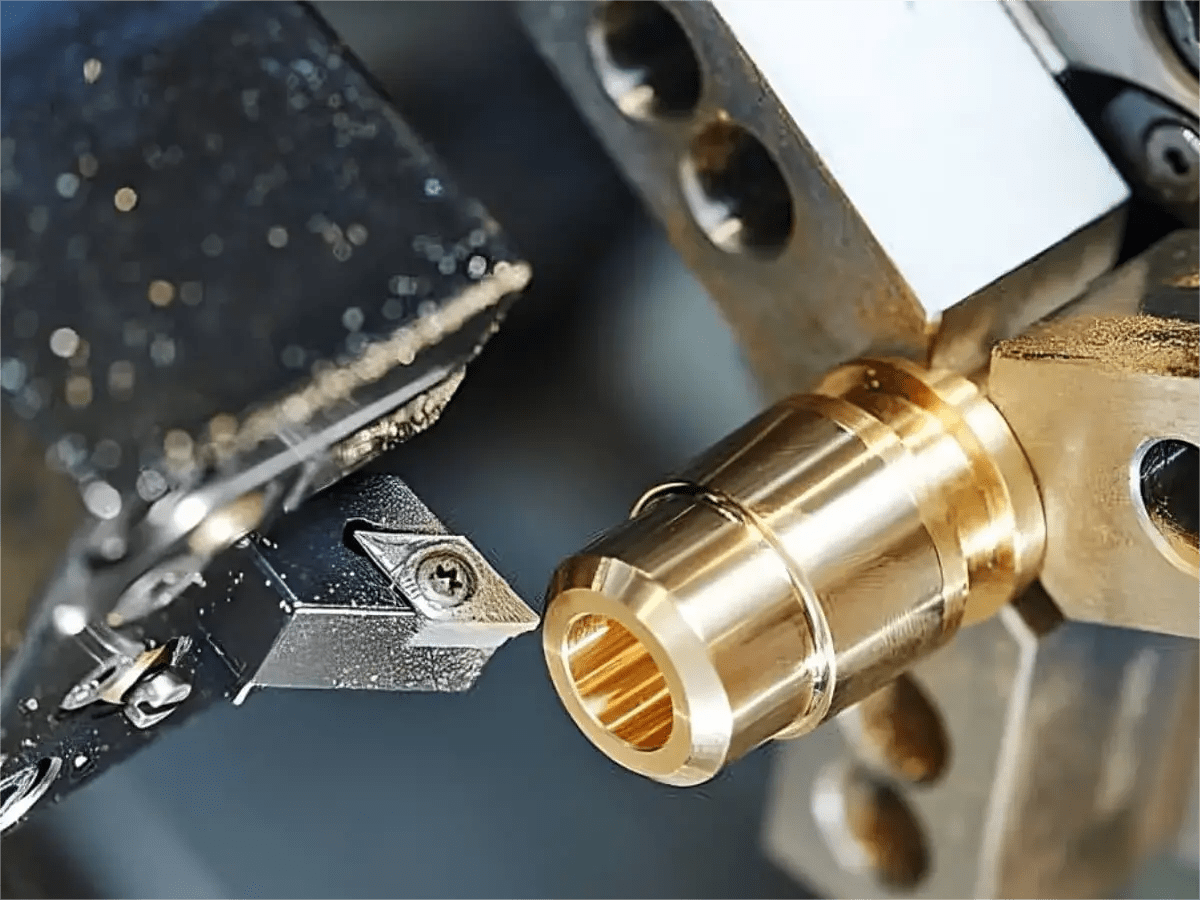
Machining has long been the backbone of innovation in industries ranging from automotive and aerospace to medical equipment and consumer electronics. As technology continues to evolve, the need for precision, consistency, and efficiency in metalworking has become more important than ever. Traditional manual lathes, while still valuable for certain applications, often fall short when it comes to handling modern demands. That is why CNC lathe conversion has emerged as a game-changing solution, transforming manual machines into automated systems capable of unmatched accuracy.
For many machinists, hobbyists, and small business owners, the concept of converting a manual lathe into a CNC-powered machine can seem intimidating. Yet, with the right approach, tools, and understanding, it becomes an investment that pays off in performance and productivity.
Why Convert a Manual Lathe into CNC?
Manual lathes have been the foundation of machining for centuries, providing the ability to cut, shape, and finish metals with precision. However, they rely heavily on the operator’s skill, which means consistency can vary. With CNC (Computer Numerical Control), the process is automated and programmed, delivering accuracy to fractions of a millimeter.
Converting to CNC allows machinists to:
-
Increase productivity through automation
-
Minimize human error
-
Handle complex designs and repetitive tasks with ease
-
Improve safety and reduce operator fatigue
-
Adapt machines to meet modern manufacturing requirements
The transition ensures that even older, well-built lathes can compete with newer models, extending their lifespan while boosting capabilities.
How Does a CNC Lathe Conversion Work?
A CNC lathe conversion involves retrofitting a manual lathe with computerized components such as stepper or servo motors, motion controllers, and software. These upgrades replace manual controls like handwheels and levers with automated systems that respond to programmed commands.
According to the it,the process typically includes:
-
Installing drive motors for precise movement
-
Adding sensors for positional feedback
-
Integrating motion control software
-
Calibrating for accuracy and repeatability
Once complete, the lathe can execute complex machining tasks with minimal supervision, saving time and enhancing precision.
What Are the Benefits of CNC Lathe Conversion?
The advantages of converting a manual lathe to CNC are numerous, making it one of the most impactful upgrades a machinist can invest in. Some of the key benefits include:
-
Accuracy and Precision: CNC systems can achieve levels of detail far beyond what manual operation allows.
-
Repeatability: Once a program is created, it can be run multiple times with identical results.
-
Efficiency: Automated processes reduce cycle times and increase overall output.
-
Flexibility: CNC lathes can handle a wide variety of materials and designs.
-
Cost Savings: Instead of buying new machines, conversion upgrades existing equipment for modern standards.
For small businesses and independent machinists, these benefits translate directly into greater competitiveness and profitability.
Common Challenges in CNC Lathe Conversion
While CNC conversion offers major advantages, it is not without challenges. Understanding these issues helps machinists prepare and avoid setbacks:
-
Complex Setup: Installing motors, wiring, and controllers requires technical knowledge.
-
Software Learning Curve: Mastering CNC software can take time and practice.
-
Cost of Components: While cheaper than new machines, conversion kits and parts are still an investment.
-
Maintenance: CNC machines require regular calibration and upkeep.
The Future of CNC Machining and Conversion
CNC technology is not just about automation it represents the future of precision craftsmanship. As industries evolve, demand for complex designs and rapid production grows. This creates opportunities for machinists who embrace CNC conversion to stay competitive and expand their capabilities.
By integrating modern CNC controls into classic manual lathes, machinists bridge the gap between tradition and innovation. For those seeking a step-by-step approach, exploring the detailed CNC lathe conversion guide ensures confidence in the process and maximizes long-term value.
Conclusion
CNC lathe conversion is more than just an upgrade; it is a transformation that reshapes how machinists approach their craft. By automating precision, improving efficiency, and unlocking new design possibilities, CNC conversion empowers both professionals and hobbyists to achieve results once thought impossible. Choosing to convert a lathe means committing to a future of innovation, adaptability, and excellence. With proper guidance, patience, and investment, machinists can ensure their workshops remain relevant and competitive in today’s fast-paced manufacturing world.
FAQs
Is CNC lathe conversion suitable for beginners?
Yes, many beginners start with small conversions. With proper guidance, even hobbyists can successfully upgrade their machines.
How much does CNC lathe conversion cost?
Costs vary depending on the lathe size and components, but conversions are generally more affordable than buying new CNC lathes.
Can a converted CNC lathe match factory-made machines?
In many cases, yes. While industrial CNC machines are purpose-built, a well-done conversion can achieve comparable precision.
What software is used for CNC lathe conversion?
Popular options include Mach3, LinuxCNC, and other motion control software tailored to CNC retrofits.
How long does a CNC conversion take?
Depending on the complexity and experience level, conversions can take from a few days to several weeks.

 English
 Arabic
 Español
 Português
 Deutsch
 Türkçe
 Dutch
Dutch
 Italiano
 Russian
 Romaian