


Choosing Pottery Courses That Actually Teach
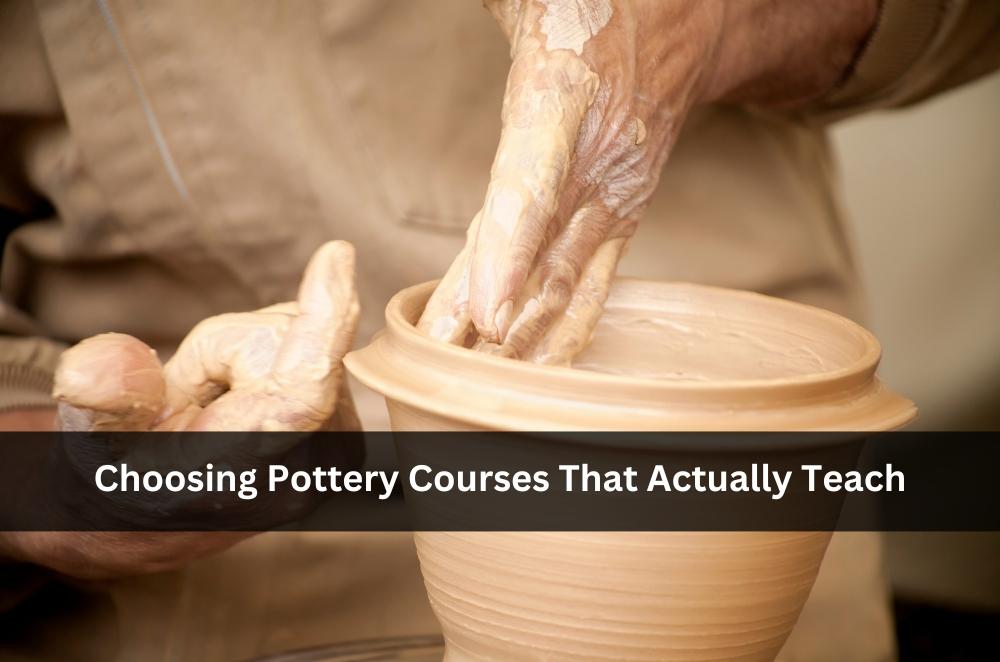
Pottery looks simple until your hands touch clay, then it clicks: this is craft, patience and a bit of mess. Across Melbourne, interest continues to grow as beginners seek classes that fit their real lives — with weeknight and weekend options, small groups, and no fuss. We’ve taught enough newcomers to know the first step is choosing a studio with structure and heart. If you’re ready to learn pottery in melbourne, start with a course that covers the basics adequately: wedging, centring, pulling walls, trimming, and glazing. Add clear feedback, a friendly kiln schedule, and tools that aren’t blunt. That combination turns nerves into muscle memory, and sessions into something you’ll actually stick with longer.
How do we structure skills across weeks?
We scaffold each week so your hands learn in layers, not lumps. The aim is steady progress without burning out.
Across a short block, you’ll wedge and centre, throw cylinders, trim feet, and glaze with intention rather than guesswork. We time firings so results arrive quickly, and we double down on the forms you’ll actually use at home. Expect short demos, tactile coaching, and a few well-placed challenges that keep you honest without rattling confidence. Repetition is the quiet hero here; the wheel rewards muscle memory more than speeches.
• Week 1–2: centring drills and even walls
• Week 3: pulling consistent cylinders
• Week 4: trimming, handles, and feet
• Week 5–6: glazing tests and finish choices
What gear and studio setup should beginners expect?
Decent wheels, sharp tools, and clean clay. The kit shouldn’t fight you while you’re learning.
We keep bats flat, call out dull ribs, and retire sponges that have turned to mush. Clay bodies are chosen for forgiveness and feel; nothing chalky, nothing gummy. You’ll learn how reclaim works, why towels beat paper, and how to tidy a wheel without smearing slurry everywhere. Kiln schedules are posted, so pieces aren’t a mystery tour. We discuss glaze fit, food safety, and the subtle differences between “rustic” and “rough.”
• Essential tools: needle, callipers, ribs, trimming tools
• Studio hygiene: wet-wipe floors, labelled reclaim, ventilation
• Clay choices: mid-fire bodies with predictable shrinkage
What outcomes can you realistically expect?
A small stack of honest pieces and the confidence to keep going. Not perfection — progress.
Your first bowls might lean, your first handles may sulk. That’s fine. The win is knowing how to fix the lean, attach the handle, and choose a glaze that doesn’t drown your form. By the end of the course, you’ll have a clear sense of where to push next: larger forms, tighter walls, or surface experiments like slips and wax resist. Most importantly, you’ll have the rhythm — wedge, centre, pull, trim — clicking along in the background while you think about shape and purpose. When that happens, practice stops feeling like work and starts feeling like making.
Conclusion
Pottery rewards those who consistently show up. Pick a course that respects your time, explains the why behind each step, and fires often enough to teach through results. Melbourne’s scene is humming, and there’s room at the wheel for newcomers who want craft without the fluff. If you’re curious about how contemporary practice is evolving, take a glance at studio pottery market trends to get a sense of where the scene’s heading, then bring those ideas back to the wheel.

 Arabic
 Français
 Español
 Português
 Deutsch
 Türkçe
 Dutch
Dutch
 Italiano
 Russian
 Romaian