


Mastering Woodturning: Essential Lathe Speed Guide
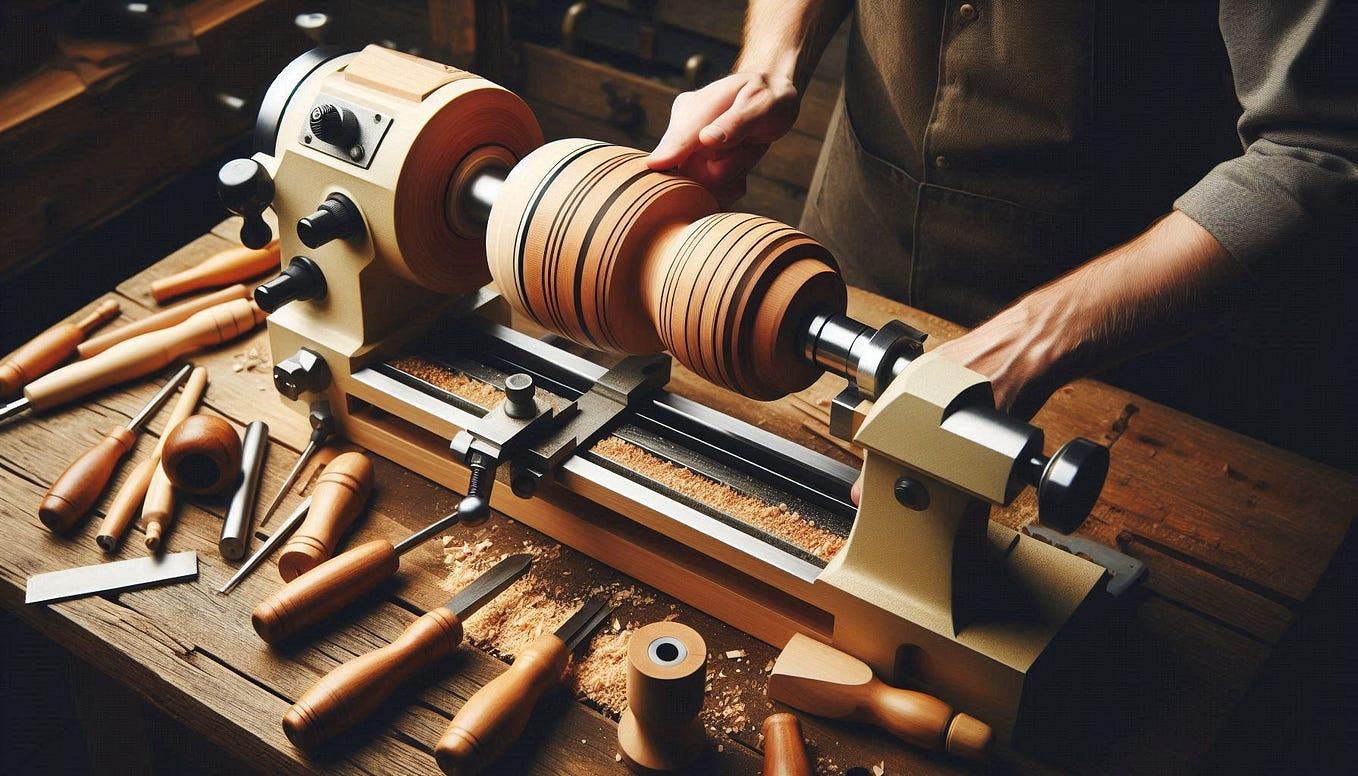
Woodturning is more than just a woodworking technique; it is an art form that combines precision, creativity, and craftsmanship. From creating bowls and vases to intricate spindle designs, woodturning allows makers to transform raw wood into functional and decorative masterpieces. However, one factor that often separates a smooth project from a frustrating one is lathe speed. Understanding the correct speed for your lathe is not just about efficiency it is about safety, accuracy, and achieving the finish you desire.
When beginners step into the world of woodturning, the spinning lathe can feel intimidating. Yet, with the right knowledge, it becomes a trusted partner rather than a challenge. Every type of wood, every tool cut, and every turning project responds differently to speed adjustments. That’s why mastering lathe speed is essential for both novices and professionals. It ensures that tools cut cleanly, reduces vibration, and allows for better control over your designs.
In woodworking, it’s often said that skill and patience shape the craft. While true, equipment and settings also play a vital role. Among these, lathe speed is a detail that cannot be overlooked if you want to elevate your projects and ensure a rewarding woodturning experience.
Why Lathe Speed Matters in Woodturning
Woodturning involves cutting into spinning wood with sharp tools. If the speed is too low, the tool can catch or tear fibers instead of cutting smoothly. If it’s too high, you risk losing control or burning the wood. Lathe speed determines how effectively tools meet the material, making it one of the most important aspects of the craft.
The woodturning lathe speed guide explains that proper speed settings depend on several factors, including the size of the workpiece, type of wood, and stage of turning. For instance, rough shaping requires slower speeds, while finishing and detailing can benefit from higher speeds. Understanding these distinctions prevents mistakes and ensures safety throughout the process.
By learning to adjust your speed based on project needs, you not only protect yourself but also gain greater control over your artistry. It’s the difference between struggling through a project and achieving a professional-quality finish.
Factors That Influence Lathe Speed
The perfect lathe speed isn’t a one-size-fits-all number. Instead, it’s influenced by several variables that every woodturner should understand.
-
Size of the Workpiece: Larger pieces require slower speeds to prevent wobbling or imbalance. Smaller items can be safely turned at higher speeds.
-
Type of Wood: Hardwoods often require slower speeds than softer woods to avoid tool chatter and excessive resistance.
-
Type of Cut: Roughing cuts need caution and slower speeds, while fine finishing cuts benefit from faster motion.
-
Tool Sharpness: Sharp tools handle higher speeds better, while dull tools are unsafe at fast rotations.
-
Experience Level: Beginners should always start slower until they gain confidence and control.
These factors work together to determine how smoothly your turning process will go. Ignoring them can lead to wasted wood, damaged tools, or even accidents.
Common Mistakes Beginners Make with Lathe Speed
Many beginners either set their lathes too fast or too slow without realizing the risks. Running a lathe at maximum speed may seem efficient, but it can result in dangerous catches or uneven finishes. Conversely, going too slow can make the process frustrating, as tools will drag across the wood rather than slice cleanly.
Another mistake is failing to adjust the speed as the project progresses. For example, a piece might require slower speeds during rough shaping but benefit from increased speed during finishing. Forgetting to adapt often leads to poor results.
Learning proper adjustment comes with practice, but having a reliable guide on lathe speeds helps new turners avoid costly errors early on.
How to Safely Adjust Lathe Speed?
Safety should always come first in woodturning. Before turning on your lathe, check that the workpiece is balanced, the tools are sharp, and protective gear is in place. Adjust the speed gradually, and never jump directly to maximum settings.
The best practice is to start slow, especially when mounting a new or unbalanced piece. Once the wood is secured and running smoothly, gradually increase the speed to the appropriate level. To get more guidance, visit this link .
Conclusion
Woodturning is a craft that blends patience, creativity, and skill, but mastering the technical aspects of your equipment is equally important. Among these, understanding lathe speed stands as one of the most crucial factors in determining success. The right speed not only keeps you safe but also allows you to achieve smoother cuts, reduce strain on your tools, and bring out the best in your designs.
For anyone serious about improving their woodturning projects, learning how to manage lathe speed is non-negotiable. With practice, attention to detail, and the right knowledge, every turner can transform simple blocks of wood into works of art, making the journey as rewarding as the finished piece itself.Visit craftwithlathes to get more guidance.
FAQs
What is the best lathe speed for beginners?
Beginners should start with slower speeds, especially when working on larger or unbalanced pieces. Gradually increase speed as confidence grows.
How do I know if my lathe is running too fast?
If your tools are difficult to control, the wood begins to burn, or the piece vibrates excessively, your lathe speed is too high.
Can hardwoods and softwoods use the same speed?
No, hardwoods often require slower speeds due to their density, while softwoods can handle faster speeds with smoother results.
Is it dangerous to turn wood too slowly?
Yes, turning too slowly can cause tools to catch or tear the wood fibers, making the process inefficient and unsafe.
Do I need to adjust speed during a single project?
Yes, most projects require different speeds for roughing, shaping, and finishing to ensure accuracy and safety.

 English
 Arabic
 Français
 Español
 Português
 Deutsch
 Türkçe
 Dutch
Dutch
 Italiano
 Romaian