


Natural Wood Cabinets
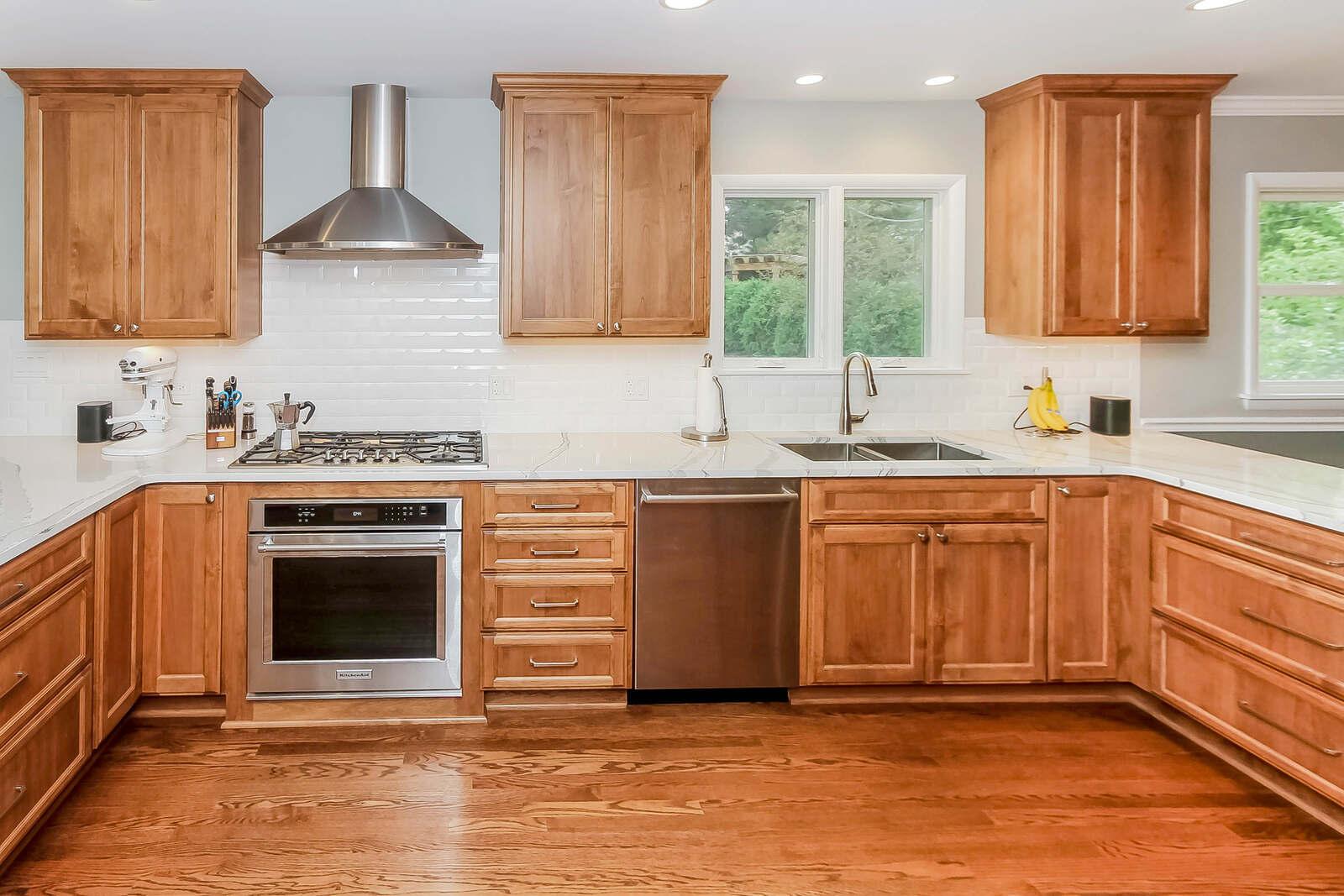
When it comes to kitchen design, trends come and go, but natural wood cabinets remain a timeless favorite. Their warmth, authenticity, and durability make them an enduring choice for homeowners who want both beauty and practicality. Whether you’re designing a rustic farmhouse kitchen, a modern minimalist space, or something in between, natural wood brings a sense of comfort and connection to nature that painted finishes simply can’t match.
This article explores everything you need to know about natural wood cabinets — from types of wood and finishes to style ideas, maintenance tips, and why this classic material continues to define the heart of the home.
1. The Beauty of Natural Wood
Natural wood cabinets are admired for their rich textures, organic patterns, and one-of-a-kind grain. Every piece of wood tells its own story — no two cabinets are ever exactly alike. This individuality gives your kitchen a sense of character and warmth that synthetic materials can’t replicate.
Wood has a unique ability to create a balanced atmosphere — cozy yet elegant, timeless yet adaptable. It blends effortlessly with nearly any color palette and complements both traditional and contemporary designs.
2. Why Choose Natural Wood Cabinets
Homeowners continue to choose natural wood for several compelling reasons:
-
Timeless Appeal: Wood never goes out of style. It suits every trend, from rustic farmhouse to sleek modern minimalism.
-
Durability: Solid wood cabinets are built to last. With proper care, they can serve your kitchen beautifully for decades.
-
Warmth and Comfort: The natural grain patterns and hues bring an inviting, organic feel to your home.
-
Versatility: Wood can be stained, varnished, or left unfinished depending on your desired look.
-
Eco-Friendly Options: Many modern wood suppliers offer sustainably sourced materials, making natural wood a responsible choice.
3. Popular Wood Types for Kitchen Cabinets
Each wood species offers its own personality, tone, and texture. Choosing the right one depends on your aesthetic preferences, budget, and how you want your kitchen to feel.
Oak
Oak is known for its strong grain pattern and exceptional durability. Available in red or white varieties, oak suits both classic and rustic kitchens. White oak, in particular, gives a softer, modern feel that’s becoming very popular.
Maple
Maple features a smooth, consistent grain and a light tone. It takes stain evenly and is often used for clean, contemporary designs. Its natural brightness helps smaller kitchens feel open and airy.
Cherry
Cherry wood stands out for its rich reddish-brown hue that deepens beautifully with age. It brings a sense of sophistication and luxury to any kitchen.
Walnut
Walnut’s dark, deep tones and fine grain make it perfect for elegant, high-end designs. It pairs wonderfully with lighter countertops and metallic hardware.
Hickory
If you love contrast, hickory is a striking choice. Its bold grain patterns and color variations range from pale cream to deep brown, making every cabinet a piece of art.
Birch
Birch has a subtle grain and smooth texture. It’s cost-effective, adaptable, and ideal for both traditional and contemporary spaces.
4. Finishes and Treatments
The finish you choose can dramatically affect the appearance and longevity of your wood cabinets.
-
Clear Finish: Enhances the natural grain and color while protecting the surface. Ideal for showcasing the raw beauty of wood.
-
Stained Finish: Available in a variety of tones, staining adds depth and character while maintaining visible grain.
-
Natural Oil Finish: Offers a matte, organic look while nourishing the wood from within. Perfect for those who prefer a softer, natural feel.
-
Matte or Satin Varnish: Provides protection against moisture and wear while giving a subtle sheen.
The goal is to highlight the natural patterns, not hide them — allowing the material’s authenticity to shine through.
5. Design Styles That Complement Natural Wood
Natural wood cabinets work beautifully across a wide range of kitchen styles. Here are a few ideas to inspire you:
Rustic Farmhouse
Combine knotty pine or hickory with open shelving, stone backsplashes, and wrought-iron fixtures. The natural imperfections of the wood enhance the cozy, lived-in charm.
Modern Minimalist
Opt for flat-panel walnut or maple cabinets with clean lines and hidden handles. Pair them with white quartz countertops and stainless-steel appliances for a sleek, modern vibe.
Scandinavian Simplicity
Light woods like birch or ash pair beautifully with simple white décor, soft lighting, and minimal clutter. The look feels airy, bright, and peaceful.
Traditional or Transitional
Cherry or oak cabinets with panel doors, crown molding, and warm finishes bring timeless elegance that bridges classic and modern aesthetics.
6. Pairing Natural Wood with Other Elements
The beauty of natural wood lies in its flexibility. It works with a wide range of colors and materials:
-
Countertops: White marble, gray quartz, or dark granite all complement wood beautifully.
-
Backsplashes: Neutral tiles or subtle textures like subway tiles or stone mosaics enhance wood’s warmth.
-
Hardware: Matte black or antique brass handles contrast elegantly with lighter woods, while chrome complements darker tones.
-
Flooring: Wood floors in a slightly different shade add depth; tile or stone provides balance and texture.
Natural wood cabinets also pair perfectly with open shelving, bringing continuity and flow to your design.
7. Maintenance and Care
Wood cabinets can last generations with proper care. Here’s how to keep them looking new:
-
Regular Cleaning: Wipe with a soft, damp cloth and mild soap. Avoid harsh chemicals or abrasive pads.
-
Avoid Moisture: Wipe up spills immediately to prevent warping or discoloration.
-
Polishing: Use wood-safe polish every few months to maintain shine and moisture balance.
-
Sunlight Protection: Prolonged exposure to direct sunlight can fade or darken wood, so consider blinds or UV-resistant coatings.
By treating your cabinets gently and consistently, their natural luster will continue to improve with age.
8. Sustainability and Eco-Friendly Choices
Today, many homeowners are opting for eco-conscious cabinetry made from responsibly harvested wood. Look for certifications that ensure the material comes from sustainable forests. Reclaimed wood cabinets are also gaining popularity — they add unique character while reducing waste.
Natural wood, when properly sourced and finished, can be one of the most environmentally friendly choices for your kitchen.
9. The Cost Factor
While natural wood cabinets tend to be more expensive than laminate or MDF alternatives, their long lifespan, repairability, and classic beauty often make them a smarter investment. They also increase property value due to their premium, enduring appeal.
For those on a budget, a combination approach works well — use natural wood for visible sections (like doors and drawer fronts) and engineered wood for hidden areas (like cabinet boxes).
10. Final Thoughts
Natural wood cabinets are more than just a kitchen feature — they’re a statement of warmth, authenticity, and craftsmanship. Their organic beauty connects your home to nature, their strength ensures decades of use, and their versatility allows endless design possibilities.
From the golden hues of oak to the dark sophistication of walnut, each type of wood tells its own story. Whether you prefer rustic charm or modern elegance, natural wood cabinets can transform your kitchen into a space that feels alive, welcoming, and timeless.
In a world full of artificial finishes and fleeting design fads, natural wood remains the most genuine — and most enduring — choice for the heart of the home.

 Arabic
 Français
 Español
 Português
 Deutsch
 Türkçe
 Dutch
Dutch
 Italiano
 Russian
 Romaian