


How to Properly Set and Test Main and Port Relief Valves in a Hydraulic System
In any hydraulic system, the pump generates flow, but it is the resistance to that flow that creates pressure. If left uncontrolled, this pressure can instantly exceed the structural limits of the machine, leading to catastrophic failure of hoses, cylinders, or the pump itself. Relief valves are the critical safety components that prevent this. They are the guardians of the entire system.
However, a relief valve that is faulty or improperly set is one of the most common sources of performance issues in heavy equipment, often misdiagnosed as a weak pump. Understanding the difference between a Main Relief Valve (MRV) and a Port Relief Valve (PRV), and knowing how to test and set them correctly, is a fundamental skill for any hydraulic technician.
The Two Types of Relief Valves: Main vs. Port
Before starting diagnostics, it is essential to understand that not all relief valves do the same job.
-
The Main Relief Valve (MRV):
-
Purpose: This valve's primary job is to protect the hydraulic pump.
-
Location: It is typically located on the main pump itself (e.g., on a Bosch Rexroth or Kawasaki pump) or in the main inlet section of the control valve block.
-
Function: It sets the maximum operating pressure for the entire hydraulic system. If the operator stalls any function (like curling the bucket until it stops), the MRV opens just enough to dump excess pump flow back to the tank, capping the pressure at its set limit (e.g., 350 BAR / 5000 PSI).
Port Relief Valves (PRV) (or "Circuit Relief Valves"):
-
Purpose: These valves protect a specific actuator (a cylinder or hydraulic motor) from external shock loads.
-
Location: They are located directly in the control valve block, on the "work ports" (A or B line) that lead to a specific function, such as the boom or arm.
-
Function: Imagine an excavator bucket hitting solid rock. This external force sends a massive pressure spike back from the cylinder. The port relief valve instantly opens to absorb this specific shock, protecting the cylinder and hoses for that one function, without affecting the main pump. Their setting is usually higher than the MRV (e.g., 380 BAR / 5500 PSI).
Symptoms of a Failed or Improperly Set Valve
Diagnosing a valve problem starts by observing the machine's symptoms.
-
Symptom 1: All functions are weak or slow. If the entire machine feels "lazy" and cannot lift heavy loads or operate at speed, the problem is global. This points directly to either a worn-out main pump OR a main relief valve (MRV) that is stuck partially open or set too low.
-
Symptom 2: Only one function is weak. If the boom lift is weak, but the bucket curl and travel functions are strong, the main pump is fine. The problem is isolated to that specific circuit. This almost always indicates a faulty port relief valve (PRV) for the boom circuit, which is leaking or stuck open.
-
Symptom 3: Hoses or components are bursting. This is a critical safety hazard. It means a relief valve (either main or port) is set too high or is mechanically stuck closed, and the system has no protection from pressure spikes.
The Diagnostic Procedure: How to Test Valves
Safety Warning: Testing hydraulic pressure is extremely dangerous. This procedure involves stalling the system at maximum pressure and must only be performed by a qualified technician using the correct, high-pressure-rated gauges and personal protective equipment (PPE).
Step 1: Gather Tools and Specifications
You will need a high-pressure hydraulic gauge (e.g., 0-600 BAR / 0-10,000 PSI) with the correct fittings and the machine's technical service manual. Never guess the pressure settings; you must use the exact specifications for that machine model.
Step 2: Test the Main Relief Valve (MRV)
-
Connect: Connect the pressure gauge to the main pressure test port, which is typically located on the hydraulic pump itself or just after it, before the main control valve.
-
Warm Up: Run the machine until the hydraulic fluid is at normal operating temperature (at least 50°C / 120°F). Cold, thick oil will give false pressure readings.
-
Stall the System: Put the machine in its highest power mode. Fully extend a cylinder (like the bucket curl or arm) and hold the joystick in that position. This stalls the function, forcing the pump to send its full flow over the main relief valve.
-
Read the Pressure: Observe the gauge. The pressure should rise smoothly and hold steady at the exact specification in the manual (e.g., 350 BAR).
-
Diagnosis: If the pressure is low, the MRV is either set incorrectly or is worn/contaminated. If the pressure fluctuates wildly, the valve is "chattering" or sticking.
Step 3: Test the Port Relief Valves (PRVs)
-
Connect: This is more specific. The gauge must be connected directly to the work line (hose) running from the control valve to the cylinder for the function you are testing.
-
Stall the Function: Again, run the machine and stall only that specific function (e.g., extend the boom cylinder to its end).
-
Read the Pressure: Observe the gauge. The port relief pressure is typically set slightly higher than the main relief pressure to absorb external shocks.
-
Diagnosis: If the pressure is low, only for this function, you have confirmed that this specific PRV is faulty, leaking, or set incorrectly.
The Repair and Adjustment Process
Repairing a relief valve usually involves disassembly, thorough cleaning in a solvent, and meticulous inspection of the valve seat and poppet (or spool) for any scoring or embedded contamination. If damage is found, the valve must be replaced.
Adjustment is a precise procedure:
-
Locate the valve's adjustment mechanism. It is typically a screw protected by a lock nut.
-
With the pressure gauge still connected and the system stalled (as in the test), loosen the lock nut.
-
Make very small adjustments (e.g., 1/4 turn) to the screw. Turning it clockwise increases the pressure; counter-clockwise decreases it.
-
Re-check the pressure reading.
-
Repeat this process until the pressure is exactly at the specification, then carefully tighten the lock nut while holding the adjustment screw in place.
The Importance of Quality Replacement Parts
Never try to "fix" a relief valve by over-tightening a fatigued spring. If a valve cannot hold pressure after cleaning, it must be replaced. Using a cheap, low-quality replacement valve is dangerous. Its internal spring may not have the correct rate, or its spool may be made of soft metal that will wear out or jam quickly.
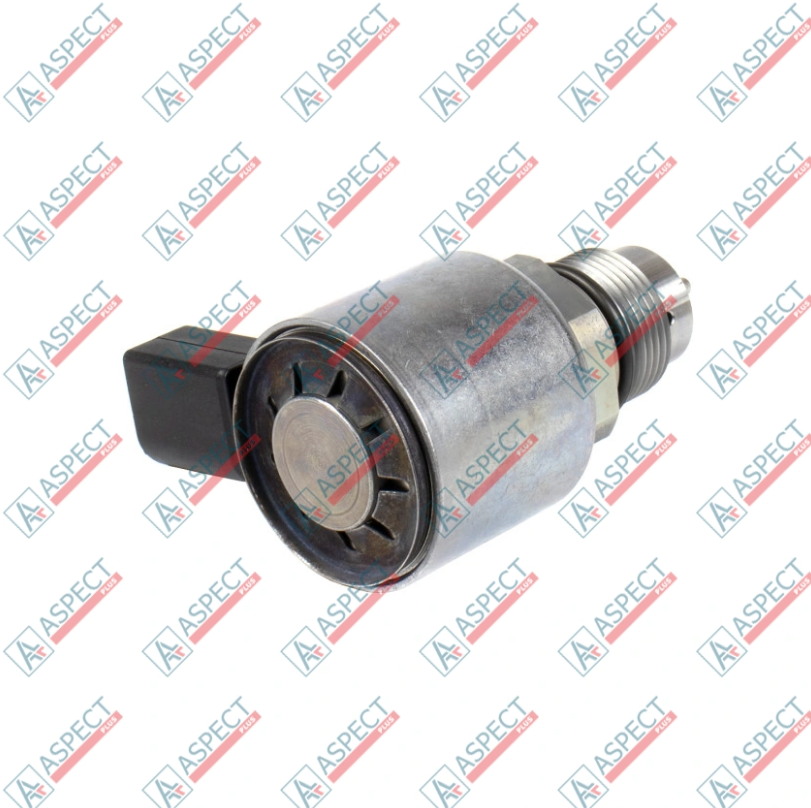
Our company, Aspect Plus, offers a full range of genuine and high-quality replacement relief valves for all major hydraulic systems. We ensure that our components meet the precise pressure settings and durability standards required to keep your equipment running safely and efficiently.
Conclusion
Properly set and functioning main and port relief valves are the most important safety and performance components in any hydraulic system. By using a systematic diagnostic approach, a technician can differentiate between a global "main relief" problem and a localized "port relief" problem, often saving a client the massive expense of replacing a healthy pump. This procedure must always be performed with precision, using the correct technical manual and high-quality gauges, as incorrect settings can lead to catastrophic failure.
For expert consultation on hydraulic diagnostics and a reliable source for high-quality hydraulic valves and components, contact the specialists at Aspect Plus.

 English
 Arabic
 Français
 Español
 Português
 Deutsch
 Türkçe
 Dutch
Dutch
 Russian
 Romaian