


How Do Metal Shearing Experts Achieve Millimeter Precision?
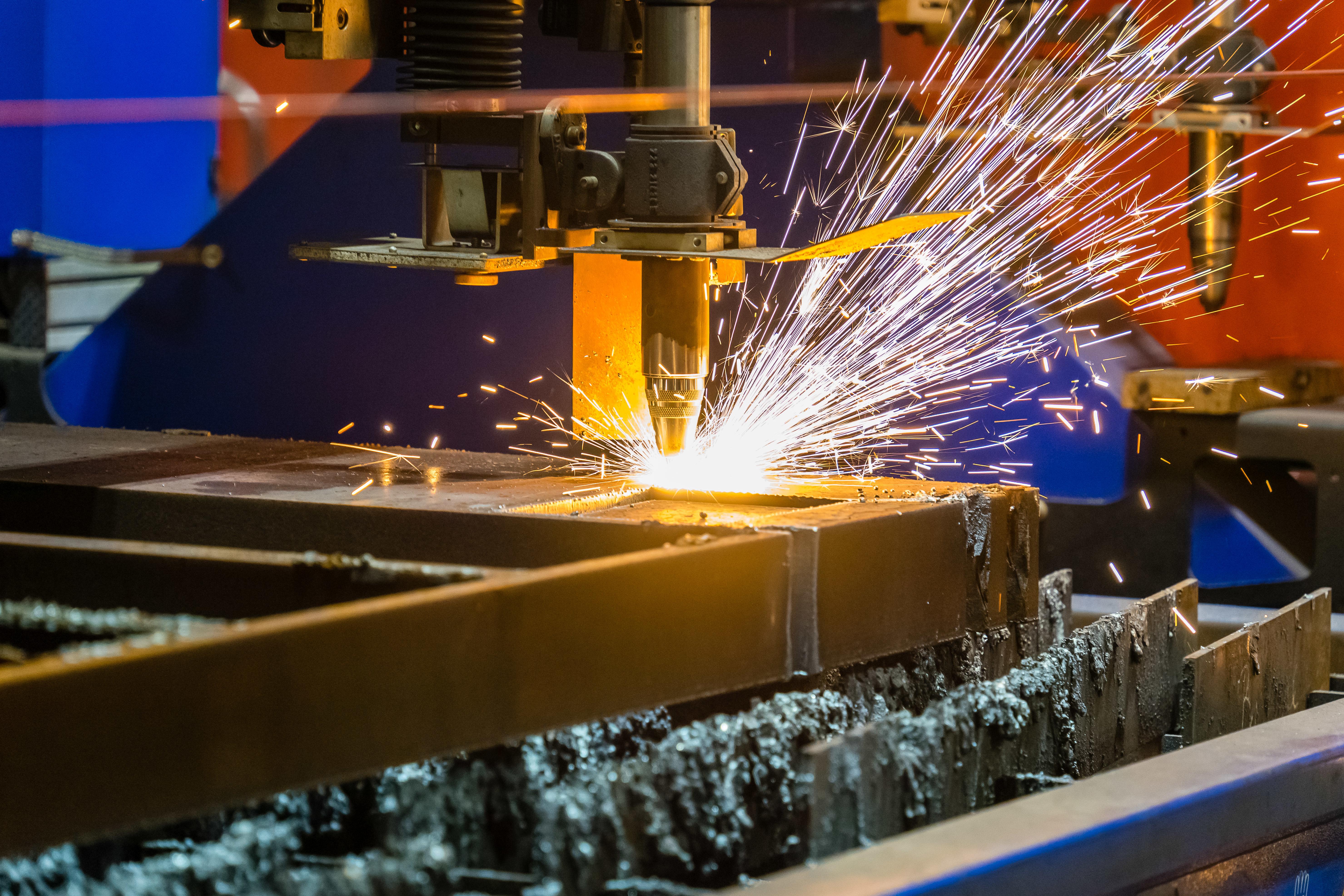
In the metalworking industry, precision is not a choice; it’s a need. Whether it's a small, insignificant component or manufacturing heavy machinery, both demand equal precision to ensure that the product is flawless. Thus, a combination of techniques and processes is utilized to manufacture metal components.
One of the many processes is metal shearing. It stands out due to its ability to deliver clean and consistent results across a wide variety of metals. Modern machines also allow for precision to a millimeter, which is a feat to achieve.
This blog delves into the detailed process of metal shearing and how experts achieve millimeter precision.
Read on!
What is Metal Shearing and Why is it So Important?
Metal shearing refers to slicing sheet metal by using twin blades that shear the metal straight. It’s one of the most efficient and cost-effective methods of separating large sheets into smaller, usable pieces.
Several industries rely on metal shearing to prepare metal for further processes, such as bending, drilling, punching, or welding.
What makes metal shearing stand out is its ability to maintain dimensional accuracy and edge quality even when working with heavy-duty metals like steel or aluminum.
Unlike other cutting methods, shearing doesn’t involve heat, which means it prevents warping or altering the metal’s structural properties. This makes it ideal for precision applications where tolerances must be maintained within extremely tight limits.
How is Precision Shearing Achieved?
Experts rely on three key elements for precise metal shearing in Albuquerque, which are discussed below:
Advanced Equipment and Tooling
Modern shearing machines are equipped with advanced features that enable operators to maintain precise alignment and consistency. Heavy-duty industries, such as automotive and manufacturing, utilize hydraulic and electric-powered shears for their controlled motion and consistent accuracy, producing thousands of products.
Cutting blades are crucial to the process. They are made of hardened steel, titanium carbide, and other materials to slice through the metal with ease. It’s vital to keep the blades razor-sharp to prevent material distortion or uneven edges. Regular maintenance, blade replacement, and calibration are essential for ensuring seamless operation.
Expert Setup and Material Handling
Experts perform a detailed setup that includes checking blade clearances, measuring sheet thickness, and adjusting hold-down mechanisms before any cut is made. It is a prerequisite to ensure accuracy because even a millimeter of misalignment can lead to uneven cuts and material waste as a result.
Proper clamping and support systems are also important as they prevent the sheet from slipping or vibrating during cutting.
Consistent Quality Control
Experts implement quality control procedures throughout the shearing process. It includes taking precise measurements using micrometers and digital gauges to verify accuracy and implementing automated inspection systems to confirm that the finished pieces meet the client’s specifications exactly.
The Science Behind Millimeter Accuracy
Achieving millimeter precision in metal shearing requires understanding the physics of cutting. When a shear blade presses against metal, the material undergoes both compression and tension. If the clearance (gap between the blades) is too large or too small, it can cause rough edges, burrs, or even cracks.
To prevent this, experts calculate the correct blade clearance based on the metal’s thickness and hardness. For example:
Softer metals, such as aluminum, require tighter blade spacing.
Harder metals, such as stainless steel, require a wider clearance to prevent tool wear.
Experts fine-tune this clearance and ensure that each cut is smooth, straight, and precise.
What Role Do Skilled Professionals Play in Ensuring Precision?
Automation is considered key to achieving precision, but it's the human expertise at the heart of precision metal shearing. Skilled operators select the appropriate metal for the job, adjust the machines after studying the material, and make real-time decisions during the cutting process.
Experience allows them to predict how different metals will respond to pressure, speed, and blade sharpness. This expertise ensures that each component meets exact specifications.
How Technology Elevates Precision?
Technology has played the biggest role in transforming the metalworking industry. Unlike manual tools that were popular a few years ago, modern shearing machines have revolutionized accuracy and consistency. Computer-controlled shears now allow operators to input exact measurements, automatically adjusting blade angles and cutting pressure.
Some high-end systems use sensors to detect material thickness and surface conditions before cutting begins. It reduces the possibility of human error and improves repeatability across large production batches.
Additionally, automated machines can produce thousands of identical components with exceptional speed and accuracy, while maintaining tolerances within fractions of a millimeter.
Conclusion
Achieving millimeter precision in metal shearing isn’t an easy feat, and multiple factors contribute to it. It is a blend of science, skill, and technology. Most importantly, it is a work of art achieved through expertise and years of knowledge. The success should be attributed to the experts who make it possible. From setting precise blade clearances to mastering the nuances of each metal type, every step is designed to guarantee clean, accurate results.
If you require such exceptional accuracy, consider consulting professionals for metal shearing in Albuquerque.

 English
 Arabic
 Français
 Español
 Português
 Deutsch
 Türkçe
 Dutch
Dutch
 Italiano
 Romaian