


AC & DC EV Chargers Explained: The Complete Guide for U.S. Drivers & Installers
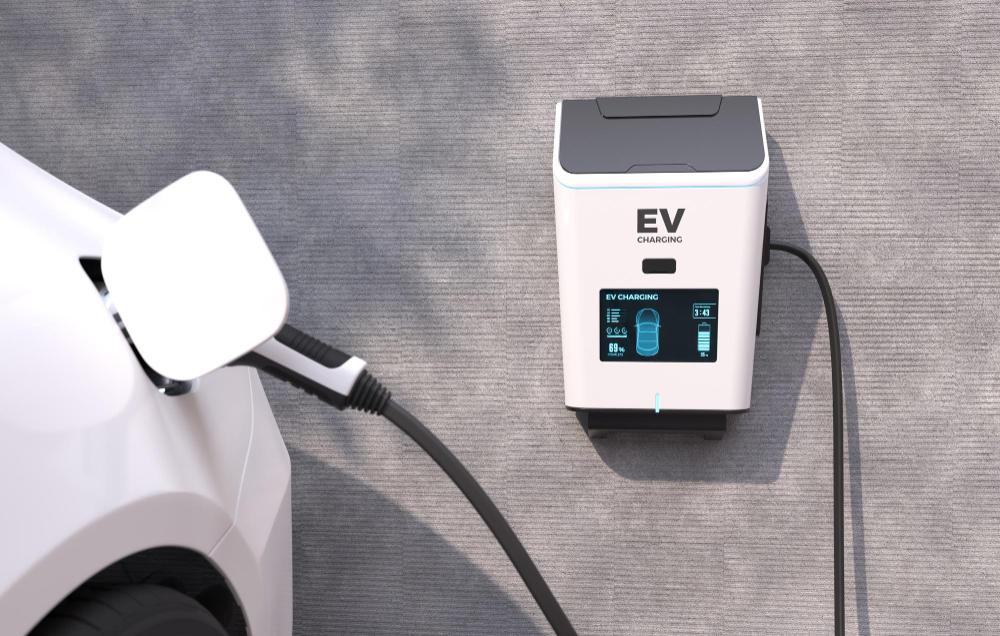
The adoption of electric vehicles in the United States is accelerating faster than ever — and as more Americans switch to EVs, the demand for reliable, safe, and fast charging solutions is skyrocketing. Whether you’re a homeowner installing a Level 2 charger, a commercial property equipping public charging stations, or a business investing in DC fast chargers, understanding the difference between AC chargers and DC chargers is essential.
At Maverick EV, we specialize in premium EV charging installations across the U.S., offering customized solutions that meet residential, commercial, and fleet charging needs.
This guide will help you understand AC charging, DC fast charging, installation options, and the key factors U.S. buyers search for when choosing the right EV charger.
⭐ What Is an AC Charger? (Level 1 & Level 2 Charging Explained)
An AC charger delivers alternating current (AC) to the vehicle, allowing the EV’s onboard converter to convert the power into DC for charging the battery.
Most U.S. homeowners choose AC chargers because:
-
They are affordable and energy-efficient
-
Perfect for overnight charging
-
Compatible with almost every EV model
-
Ideal for garages, driveways, and parking spaces
Types of AC Chargers:
1️⃣ Level 1 AC Charger
-
Uses standard 120V household outlets
-
Slow charging (3–5 miles of range per hour)
-
Good for plug-in hybrids or emergency charging
2️⃣ Level 2 AC Charger
-
Uses 240V power (like home dryers)
-
10x faster than Level 1
-
Adds 25–45 miles of range per hour
-
The preferred option for U.S. homeowners
-
Ideal for businesses with employee parking
At Maverick EV, our installation team helps homeowners install safe, code-compliant AC chargers for fast and efficient daily charging.
⭐ What Is a DC Charger? (DC Fast Charging for Rapid Power Delivery)
A DC charger — commonly known as a DC fast charger — bypasses the EV’s built-in converter and sends direct current (DC) straight to the battery. This results in ultra-fast charging speeds, making them ideal for commercial or high-traffic locations.
Why U.S. businesses choose DC fast chargers:
-
They charge EVs up to 80% in 20–45 minutes
-
Powerful output from 50 kW to 350 kW and higher
-
Perfect for gas stations, malls, restaurants, hotels & fleets
-
Attract EV drivers and increase revenue opportunities
DC chargers require a dedicated electrical infrastructure and professional installation — which is why commercial property owners trust Maverick EV for planning, permitting, installation, and maintenance.
⭐ AC Charger vs. DC Fast Charger: What U.S. Buyers Should Know
|
Feature |
AC Charger (Level 1/2) |
DC Fast Charger |
|
Charging Speed |
Slow → Moderate |
Very Fast |
|
Voltage Required |
120V / 240V |
480V+ (commercial grade) |
|
Ideal For |
Homes, small businesses |
Public stations, fleets |
|
Cost |
Low / Moderate |
Higher (infrastructure heavy) |
|
Best Use |
Daily overnight charging |
Quick top-ups for on-the-go drivers |
Knowing which type fits your needs depends on location, charging habits, and budget — and Maverick EV helps you choose the perfect solution.
⭐ FAQ’s
🔍 1. “Best home AC charger for EV”
We install top-rated Level 2 AC chargers compatible with Tesla, Ford, Hyundai, Kia, Rivian, GM, and all J1772 EVs — ensuring safe, fast, and efficient home charging.
🔍 2. “How fast is AC charging for electric cars?”
Level 2 AC chargers deliver 25–45 miles of range per hour, making them perfect for overnight charging and daily commutes.
🔍 3. “DC fast charger installation for commercial property”
We provide turnkey DC fast charger installation, including site assessment, permits, utility coordination, trenching, hardware installation, and maintenance.
🔍 4. “Difference between AC charger and DC charger for EV”
AC chargers use the EV’s onboard converter (slower, ideal for homes), while DC chargers deliver direct power to the battery (much faster, ideal for commercial use).
🔍 5. “How much does DC fast charger installation cost?”
Costs depend on power level, infrastructure upgrades, distance from electrical panel, and site conditions. We provide free consultations and transparent estimates.
🔍 6. “Fastest EV charger for road trips or public stations”
Our DC fast chargers deliver 50–350 kW, offering an 80% charge in under 30 minutes — perfect for commercial and public charging setups.
🔍 7. “Can I install a DC fast charger at home?”
DC fast chargers require industrial-level power (480V+), so they are not suitable for residential use. Instead, we recommend a Level 2 AC charger for home setups.
⭐ Why Maverick EV Is the Trusted Choice for EV Charging in the USA
-
Certified EV charger installation experts
-
Residential & commercial installation specialists
-
Compatible with all EV brands
-
Free site assessments & consultations
-
High-quality charger selection (AC & DC)
-
Safe, code-compliant electrical work
-
Fast installation timelines
-
Support for rebates, incentives & tax credits
Whether you're upgrading your home EV charging or planning a large-scale commercial charging network, Maverick EV ensures a smooth, efficient, and future-ready solution.
⭐ Conclusion
As EV adoption grows across America, choosing between an AC charger and a DC fast charger is essential for convenience, speed, and long-term value. Maverick EV makes the process simple — providing expert installation, high-performance charging options, and full-service support.

 English
 Arabic
 Français
 Español
 Português
 Deutsch
 Türkçe
 Dutch
Dutch
 Italiano
 Russian