


Dynamic Load Balancing: The Smart Way to Charge Your EV at Home
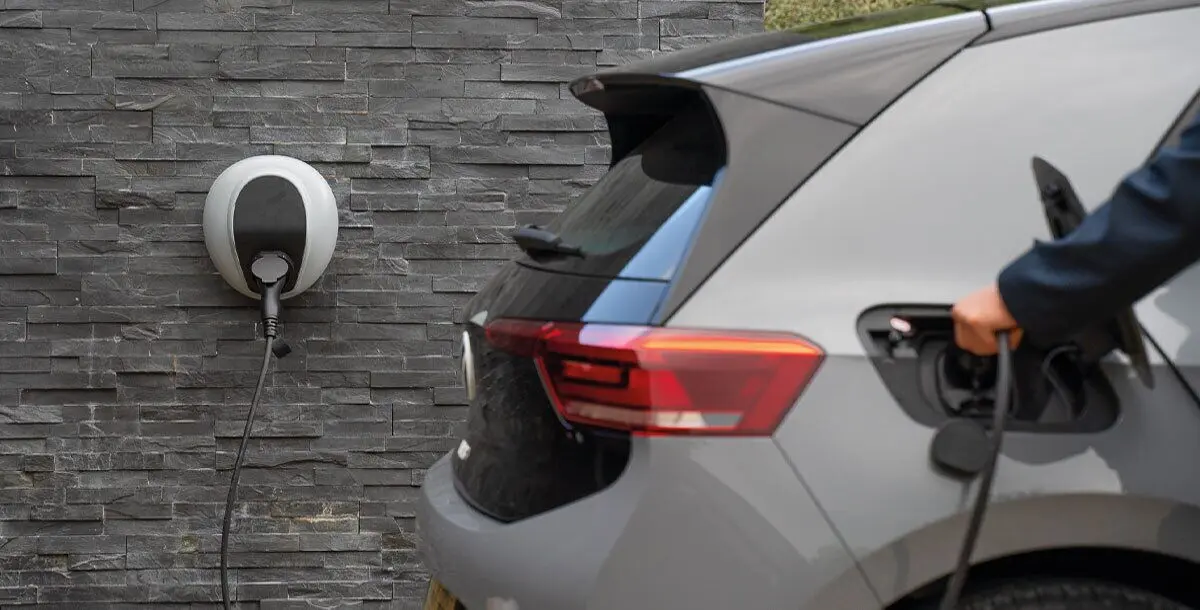
Dynamic Load Balancing: The Smart Way to Charge Your EV at Home
As electric vehicles (EVs) become increasingly common on city streets and suburban driveways, the need for smarter, more efficient home charging solutions is growing. One of the most innovative technologies driving this change is Dynamic Load Balancing (DLB).
DLB intelligently manages your home’s electrical capacity to ensure your EV charges safely, efficiently, and economically. By continuously monitoring real-time power consumption and automatically adjusting distribution between chargers and household appliances, DLB transforms a standard EV charger into a dynamic energy management system—ideal for the modern smart home.
Understanding Dynamic Load Balancing
Traditional electrical systems allocate a fixed amount of power to each device. If multiple high-demand appliances (like ovens, HVAC systems, and EV chargers) run simultaneously, you risk tripping breakers or reducing charging speeds.
DLB-enabled chargers, by contrast, monitor electrical load continuously and dynamically adjust the EV charging output based on current household consumption.
Example:
-
Your dishwasher finishes its cycle → the charger detects extra capacity and increases charging output.
-
Your air conditioner kicks in during a heat wave → the charger temporarily reduces power to prevent overloading.
This real-time responsiveness ensures:
-
Safer operation
-
More efficient energy use
-
Faster charging whenever home load permits
Benefits of DLB in Home Charging
1. Prevent Overloads and Increase Safety
DLB reduces the risk of circuit overloads, particularly in older homes with limited panel capacity. By intelligently throttling charging during high-demand periods, it avoids nuisance breaker trips and enhances overall electrical safety.
2. Optimize Charging Speed
DLB ensures your EV uses all available electrical capacity without exceeding safe limits. When other appliances turn off or reduce demand, charging ramps up automatically, delivering faster charge times without manual intervention.
3. Lower Energy Costs
DLB can be paired with time-of-use (TOU) electricity plans. By dynamically shifting charging to periods of lower rates and avoiding inefficient energy use, homeowners can reduce electricity costs while maintaining convenience.
4. Support Multiple Chargers on One Circuit
DLB manages shared electrical capacity among multiple EV chargers and high-draw appliances (e.g., heat pumps or water heaters), enabling scalable installations without costly rewiring or panel upgrades.
5. Promote Grid-Friendly Behavior
By smoothing out peaks in demand, DLB-equipped chargers reduce stress on local distribution networks. Aggregated across many homes, this capability can support demand-response programs and potentially qualify homeowners for incentives.
How Charge-Management Systems (CMS) Work
A CMS acts as the central brain coordinating multiple chargers. It monitors real-time usage and redistributes available capacity based on:
-
User preferences (e.g., “priority to primary EV first”)
-
Preset protocols or safety thresholds
Key functions include:
-
Coordinated load distribution to avoid overloading circuits
-
Scheduling charging sessions according to peak/off-peak hours
-
Remote monitoring, firmware updates, and analytics
CMS can operate via local controllers or cloud-connected platforms, ensuring safe, efficient, and compliant operation.
Real-World Applications
Residential EV Owners
DLB allows homes with limited electrical capacity to safely add a Level 2 charger without expensive panel upgrades. Combined loads—EV charging, HVAC, laundry, and cooking—can coexist without interruptions.
Multi-Vehicle Households
DLB dynamically allocates current between multiple EVs. Priority settings allow one EV to charge faster while the other takes a temporary lower rate, optimizing overall charging efficiency.
Small Businesses or Multi-Unit Garages
DLB enables shared electrical infrastructure to support multiple chargers safely. Integration with access control, billing, and usage tracking makes it ideal for apartments, condominiums, office garages, or small fleet depots.
Grid-Interactive Programs
DLB systems can participate in demand-response programs, reducing peak load on the grid and potentially qualifying for utility rebates, lower electricity rates, or other incentives.
Technology Behind Dynamic Load Balancing
-
Current and Load Sensors – Detect real-time electrical draw on circuits.
-
Communication Networks – Wired (Ethernet, RS-485, CAN bus) or wireless (Wi-Fi, Zigbee, proprietary mesh) for device coordination.
-
Control Logic / Firmware – Determines power allocation dynamically, locally or via cloud.
-
User Interface / Scheduling Software – Lets users set priorities, full-charge targets, or preferred charging times.
-
Regulatory Compliance – Ensures adherence to electrical codes (NEC, IEC) and breaker ratings.
-
Optional Integration with Solar / Battery Storage – Balances grid draw with on-site renewable generation for additional efficiency.
Challenges and Considerations
-
Higher upfront cost than standard EVSE units
-
Installation complexity, especially in older homes
-
Dependence on connectivity for advanced features
-
User behavior may limit optimization if schedules are not well-planned
-
Regulatory and utility constraints may affect load-management functionality
Expert Insights
“Dynamic Load Balancing transforms the home EV charger from a dumb power draw into an active participant in the household energy ecosystem,” says Dr. Marina Ruiz, energy-systems engineer.
“It optimizes safety, cost, and comfort, without requiring homeowners to micromanage every watt.”
Installer surveys in California report that over 60% of homeowners now request smart load-balancing features, a sharp increase over the past two years.
The Road Ahead
Smart chargers with DLB are likely to become standard rather than optional as EV adoption accelerates. Future developments include:
-
Vehicle-to-Grid (V2G) integration
-
Smart load balancing across neighborhoods
-
Seamless pairing with solar, wind, and battery systems
-
Lower hardware costs and broader firmware capabilities
What to Look For in a DLB Charger
| Feature | Why It Matters |
|---|---|
| Real-time current monitoring | Avoid overdraw and maintain safety |
| Multi-station support | Essential for multi-EV households |
| Configurable priorities / scheduling | Aligns charging with lifestyle and tariffs |
| Connectivity (local/cloud) | Enables remote monitoring, updates, and analytics |
| Regulatory compliance | Ensures safe, code-compliant installation |
| Solar / battery integration | Optimizes renewable energy usage and cost savings |
Bottom Line
Dynamic Load Balancing redefines home EV charging by making it adaptive, safe, efficient, and future-ready. Homeowners benefit from:
-
Safer operation and reduced risk of overloads
-
Faster charging when possible
-
Lower energy costs
-
Flexible scaling for multiple EVs or high-demand households
As EV adoption grows, DLB-enabled chargers are likely to become standard, forming a key component of modern, energy-efficient homes. Whether installing your first charger or upgrading an existing unit, prioritizing DLB is a smart investment in your home’s electrical ecosystem.
It's important to know about Google SEO to help your website rank higher in search results.

 English
 Arabic
 Français
 Español
 Português
 Deutsch
 Türkçe
 Italiano
 Russian
 Romaian