


Energy Efficient Design Approaches for Distributed Control Systems in Power Generation Facilities
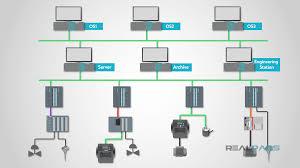
Energy efficiency has become a critical consideration in the design and operation of Distributed Control Systems (DCS) for power generation facilities. These systems are responsible for controlling turbines, generators, boilers, and auxiliary equipment while ensuring safe, reliable, and optimized energy production. By adopting energy-efficient design approaches, power plants can reduce operational costs, minimize energy losses, and improve overall sustainability. Integrating energy efficiency into DCS design allows facilities to achieve environmental compliance, reduce carbon footprint, and enhance the performance of large-scale power generation systems.
Importance of Energy Efficiency in Power Generation
Power generation facilities consume significant amounts of energy in process control, auxiliary systems, and instrumentation. Inefficient control strategies and poorly optimized system designs can lead to unnecessary energy consumption and operational inefficiencies. Energy-efficient DCS design ensures that control actions are optimized to minimize energy usage while maintaining process stability. By focusing on energy efficiency, power plants can lower fuel consumption, reduce greenhouse gas emissions, and improve plant profitability. Efficient control systems also contribute to the longevity of equipment by reducing unnecessary operational stress.
Energy-Efficient Hardware Selection
The selection of energy-efficient hardware is a key factor in designing DCS for power generation facilities. Controllers, sensors, and actuators with low power consumption and high reliability reduce overall energy usage in control operations. Modern processors with optimized computing efficiency minimize energy requirements while maintaining real-time performance. Additionally, using energy-efficient communication components and network infrastructure ensures that the flow of operational data consumes minimal power. Careful hardware selection forms the foundation for achieving energy-efficient DCS operations in large-scale power plants.
Optimized Control Algorithms for Energy Savings
Control algorithms directly impact energy consumption in power generation facilities. By implementing optimized control strategies such as model predictive control, adaptive control, and load-sharing techniques, DCS can reduce energy waste and improve efficiency. These algorithms dynamically adjust control actions based on real-time process data, ensuring that equipment operates at optimal energy levels. Optimized control strategies also allow better coordination between multiple units, minimizing peak energy demand and reducing overall operational costs. Efficient algorithm design is therefore critical for energy-conscious DCS operation.
Integration of Renewable Energy and Energy Storage Systems
Modern power generation facilities increasingly integrate renewable energy sources and energy storage systems into their DCS operations. Effective integration allows DCS to balance load demand, manage energy storage, and optimize the utilization of renewable sources such as solar or wind energy. By coordinating conventional and renewable energy systems, DCS can reduce reliance on fossil fuels and improve overall plant efficiency. Energy-efficient integration of storage systems also ensures that surplus energy is stored and reused effectively, contributing to more sustainable power generation practices.
Monitoring and Analytics for Energy Optimization
Monitoring and analytics tools play a crucial role in identifying opportunities for energy savings in distributed control systems. Real-time energy monitoring provides operators with insights into consumption patterns, equipment performance, and potential inefficiencies. Advanced analytics can predict energy demand and optimize control strategies to minimize energy use during low-demand periods. Continuous monitoring and performance feedback enable proactive adjustments, ensuring that energy efficiency remains a priority throughout the operation of the power generation facility.
Challenges in Implementing Energy-Efficient DCS
Despite the advantages, implementing energy-efficient design approaches in distributed control systems faces several challenges. Legacy systems may lack the capability to support modern energy optimization techniques. Integration of new hardware and control algorithms with existing infrastructure can be complex and costly. Ensuring that energy-saving strategies do not compromise system reliability or safety is another critical concern. Overcoming these challenges requires careful planning, system evaluation, and the adoption of modular and scalable design practices that prioritize energy efficiency alongside operational performance.
Future Trends in Energy-Efficient DCS Design
The future of energy-efficient distributed control systemsdesign market in power generation facilities is driven by advancements in smart grid technologies, digital twins, and artificial intelligence. Intelligent control systems will enable real-time energy optimization, predictive maintenance, and automated load balancing across multiple units. Integration with renewable energy sources and storage systems will continue to improve plant sustainability. As energy efficiency becomes a regulatory and economic priority, the next generation of distributed control systems will focus on reducing energy consumption, maximizing system performance, and supporting environmentally responsible power generation.

 English
 Français
 Español
 Português
 Deutsch
 Türkçe
 Dutch
Dutch
 Italiano
 Russian
 Romaian