


What Is Foot Corn Disease
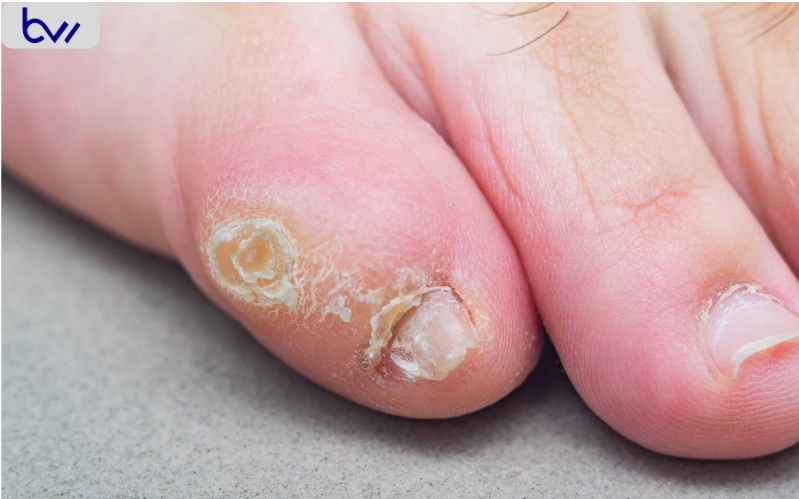
Foot Corn Disease: What It Is, Symptoms & Remedies
Foot corn disease is a common foot condition that develops when repeated pressure or friction affects certain areas of the feet. Although foot corns are not dangerous, they can be painful and may interfere with walking or daily activities if not treated properly. This article explains what foot corn disease is, its symptoms, and the most effective remedies to help keep your feet healthy.
What Is Foot Corn Disease?
A foot corn is a small, thickened patch of skin that forms as a natural protective response to pressure or rubbing. Corns usually develop on bony parts of the foot, such as the tops and sides of toes, between toes, or on the soles. The thickened skin protects deeper tissue, but over time it can press inward and cause pain.
Foot corns are often confused with calluses. However, corns are smaller, more defined, and usually painful, while calluses are larger and generally painless.
Types of Foot Corns
-
Hard corns: Firm and dry, commonly found on the tops or sides of toes
-
Soft corns: Soft and white, usually forming between toes due to moisture
-
Seed corns: Small corns that appear on the soles of the feet
Symptoms of Foot Corn Disease
Foot corns typically develop gradually and become more uncomfortable over time. Common symptoms include:
-
Thickened, hardened skin on the foot
-
Pain or tenderness when walking or standing
-
A raised bump with a hard or soft center
-
Redness or swelling around the affected area
-
Discomfort when wearing shoes
If left untreated, foot corns may crack, bleed, or become infected.
Causes of Foot Corn Disease
Foot corn disease is caused by repeated pressure or friction on the skin. Common causes include:
-
Wearing tight, narrow, or poorly fitting shoes
-
High-heeled footwear that increases pressure on the toes
-
Walking barefoot on hard surfaces
-
Foot deformities such as bunions, hammertoes, or misaligned bones
-
Prolonged standing, walking, or repetitive foot movements
People with uneven foot structure or abnormal walking patterns are more likely to develop foot corns.
Remedies for Foot Corn Disease
Relieving foot corns involves reducing pressure and safely softening thickened skin.
Home Remedies
-
Soak feet in warm water to soften hardened skin
-
Gently rub the corn with a pumice stone after soaking
-
Apply moisturizing creams to keep skin soft
-
Use corn pads, toe protectors, or cushioned insoles
Medical Remedies
-
Professional corn removal by a podiatrist
-
Prescription medicated creams to soften thick skin
-
Custom orthotic devices to correct pressure points
-
Treatment of underlying foot deformities when necessary
Important: Avoid cutting or shaving corns at home, especially if you have diabetes or poor circulation.
Prevention Tips
Preventing foot corns is often easier than treating them. Helpful prevention strategies include:
-
Wearing well-fitted shoes with enough toe space
-
Avoiding tight footwear and high heels
-
Keeping feet clean, dry, and moisturized
-
Using protective padding in pressure-prone areas
-
Seeking professional care for recurring foot problems
When to See a Doctor
Consult a healthcare provider if:
-
The corn becomes painful or infected
-
Home remedies do not improve symptoms
-
You have diabetes, nerve damage, or circulation problems
Early treatment can prevent complications.
Conclusion
Foot corn disease is a common and manageable condition caused by repeated pressure and friction on the feet. With proper remedies, good foot care, and suitable footwear, most people can relieve discomfort and prevent corns from returning. Paying attention to foot health is essential for comfort, mobility, and overall well-being.
© Best Writes — Professional Content You Can Trust

 Arabic
 Français
 Español
 Português
 Deutsch
 Türkçe
 Dutch
Dutch
 Italiano
 Russian
 Romaian