


PVC vs EPDM Roofing
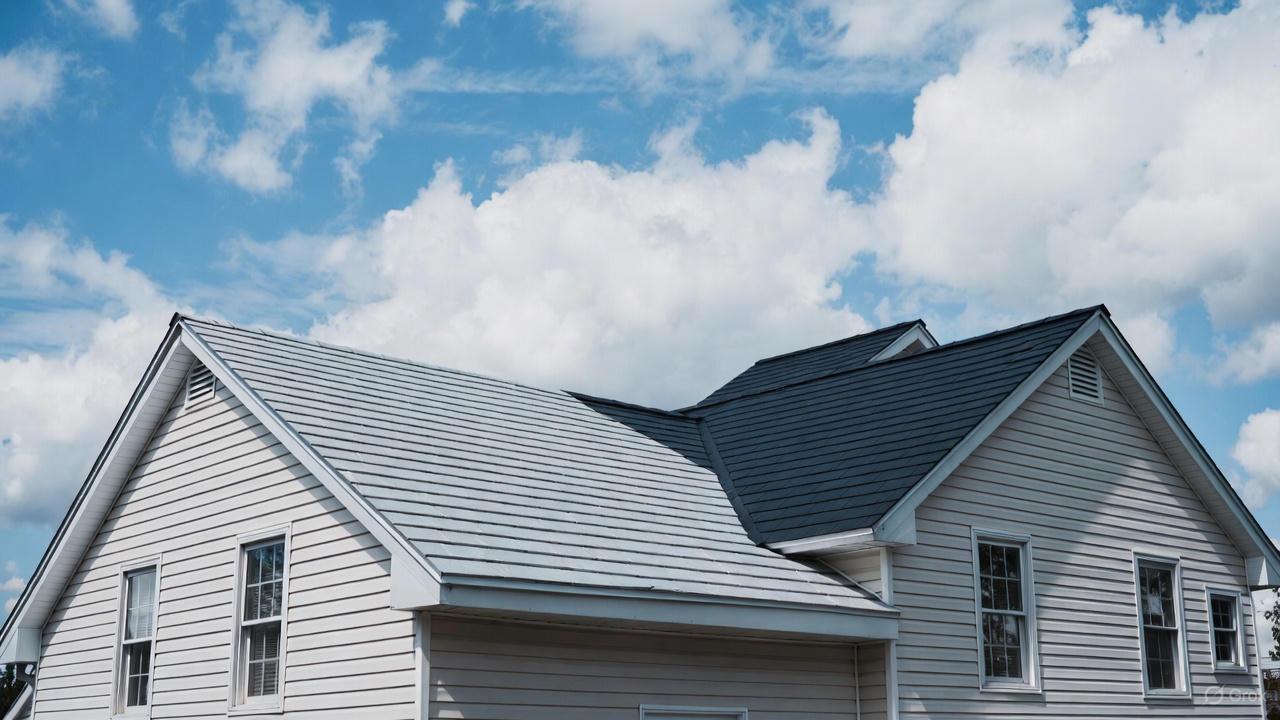
PVC vs EPDM Roofing: Differences, Costs, and Which Is Right for You
I’ve been on flat roofs long enough to see trends come and go, but the pvc vs epdm roofing debate never fades.
Both systems work.
Both fail when installed wrong.
And both get blamed unfairly more often than they should.
The real answer lives in the details.
What People Mean by Rubber Roofing
Most homeowners say “rubber roof” without realizing how broad that term is.
In the trade, we break it down into specific materials.
Those distinctions matter once the roof starts aging.
That’s where understanding rubber roof types becomes critical.
Types of Rubber Roofing You’ll Actually See
When discussing types of rubber roofing, three membranes dominate flat and low-slope roofs:
-
EPDM
-
TPO
-
PVC
Each has strengths, weaknesses, and ideal use cases.
I’ve installed all three across commercial buildings, homes, and RVs.
EPDM Roofing: Old-School for a Reason
EPDM is what most people picture when they think rubber roofing.
It’s black, flexible, and forgiving.
I’ve repaired EPDM roofs that were older than some of my apprentices.
When installed correctly, it ages gracefully.
Why EPDM Still Performs Well
From firsthand experience, EPDM shines in these areas:
-
Cold-weather flexibility
-
Simple patch repairs
-
Proven long-term performance
I’ve seen EPDM roofs pass 25 years with minimal issues.
That kind of track record is hard to ignore.
Where EPDM Struggles
EPDM absorbs heat.
On hot commercial roofs, that heat transfers indoors.
It also relies heavily on adhesive quality.
Bad glue equals early failure.
No exceptions.
PVC Roofing: The Premium Workhorse
PVC is often misunderstood.
It’s lumped into rubber roofing, but it behaves very differently.
Heat-welded seams change the entire performance equation.
In greasy or chemical-heavy environments, PVC dominates.
Why PVC Roofing Excels
From my own installs and inspections, PVC stands out for:
-
Seam strength
-
Chemical resistance
-
Ponding water tolerance
I’ve replaced EPDM roofs under restaurant exhausts with PVC.
Those PVC systems are still flawless years later.
Downsides of PVC You Should Know
PVC costs more upfront.
Repairs require heat welding, which limits DIY fixes.
If you’re far from qualified technicians, that matters.
Still, repairs are far less frequent.
PVC vs EPDM Roofing: The Core Differences
When comparing pvc vs epdm roofing, the biggest differences are seams and flexibility.
EPDM relies on adhesives and tapes.
PVC relies on welded seams.
That single factor affects longevity more than most specs.
TPO vs EPDM vs PVC: Where TPO Fits In
The tpo vs epdm vs pvc discussion usually pops up during budget talks.
TPO sits between EPDM and PVC in price and performance.
It reflects heat better than EPDM but isn’t as chemical-resistant as PVC.
I’ve seen excellent TPO roofs—and some early failures tied to cheap formulations.
PVC vs Rubber Roofing: Clearing the Confusion
Clients often ask about pvc vs rubber roofing.
PVC isn’t rubber in the traditional sense.
It’s a thermoplastic with rubber-like flexibility.
That’s why PVC welds instead of glues—and why its seams are stronger.
Rubber Roof Types and Climate
Climate changes everything.
In cold regions, EPDM’s flexibility is a major advantage.
In hot, sunny climates, PVC and TPO often outperform.
I always match the membrane to the environment, not the brochure.
Cost Comparison: What You’re Really Paying For
Upfront costs typically break down like this:
-
EPDM: Lowest initial cost
-
TPO: Mid-range
-
PVC: Highest upfront
Long-term costs tell a different story.
PVC often wins over decades due to fewer repairs and failures.
Installation Quality Matters More Than Material
I’ve torn off failed PVC roofs that should have lasted 30 years.
Why did they fail?
Poor seam welding and rushed details.
Meanwhile, average EPDM roofs installed carefully often outlast expectations.
Case Study From the Field
I once replaced two flat roofs on similar buildings.
One got EPDM.
The other got PVC.
Fifteen years later, the EPDM needed seam repairs.
The PVC only needed cleaning.
Same installer.
Different environments.
RV Applications Change the Conversation
The pvc vs tpo vs epdm rv roof debate deserves its own category.
RVs flex constantly, bake in the sun, and see little maintenance.
That’s brutal on any membrane.
From my RV repair work, PVC lasts longest but EPDM is easiest to patch on the road.
Maintenance Expectations You Should Have
No rubber roof is maintenance-free.
You should plan on:
-
Annual inspections
-
Prompt puncture repairs
-
Regular cleaning
Most failures I inspect started as small, ignored problems.
How I Help Clients Choose
When clients ask me to choose between PVC and EPDM, I ask:
-
What’s the building used for?
-
Is ponding water common?
-
Any grease, chemicals, or exhaust?
-
What climate are we in?
Those answers matter more than brand names.
When EPDM Makes the Most Sense
I still recommend EPDM for:
-
Simple residential flat roofs
-
Cold climates
-
Budget-sensitive projects
It’s forgiving, repairable, and proven.
When PVC Is the Better Choice
PVC is my go-to for:
-
Restaurants
-
Industrial buildings
-
High foot traffic roofs
-
Long-term ownership plans
If longevity matters more than initial cost, PVC earns its keep.
Final Thoughts From the Roof
The pvc vs epdm roofing decision isn’t about which is “better.”
It’s about which is right for your building, climate, and expectations.
Understanding rubber roof types, weighing tpo vs epdm vs pvc, and knowing where pvc vs rubber roofing truly differs will protect your investment for decades.
From years of hands-on work, I can say this with confidence:
The right membrane, installed correctly, will outlast the hype every single time.

 English
 Arabic
 Français
 Español
 Deutsch
 Türkçe
 Dutch
Dutch
 Italiano
 Russian
 Romaian