


How In-Home Nursing Transforms Daily Life for Children With Complex Medical Needs
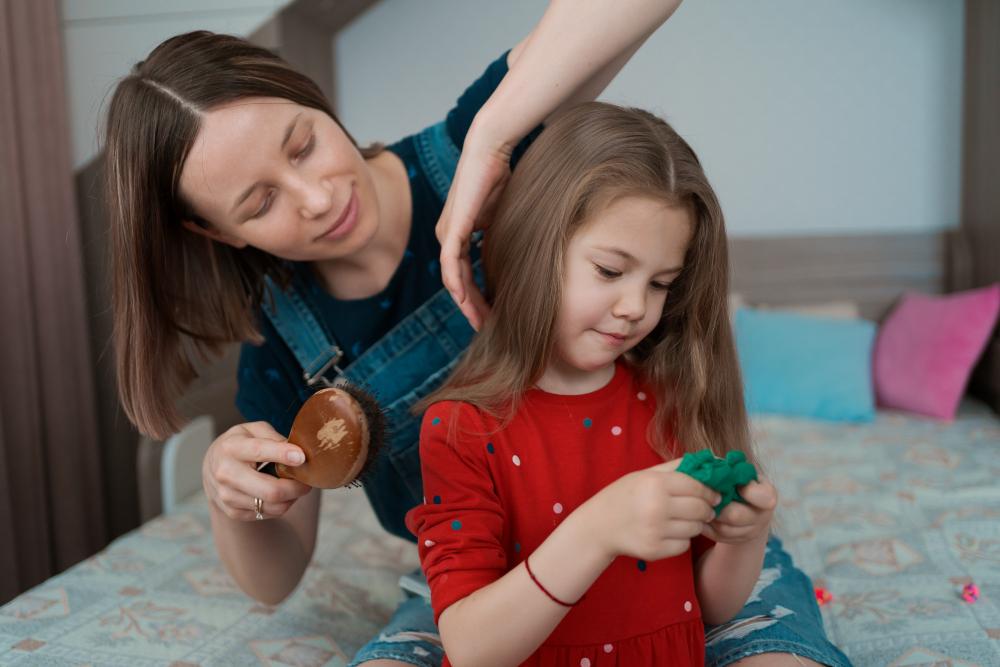
For families caring for children with complex medical needs, daily life often revolves around schedules, medications, monitoring, and constant vigilance. Hospital visits, long appointments, and emergency planning can quickly become overwhelming. In this reality, in-home nursing is not just a convenience—it’s a transformative form of support that reshapes how families live, care, and connect.
In-home nursing brings skilled medical care directly into a child’s home, creating stability, comfort, and continuity that institutional settings often cannot provide. For many families, it becomes the difference between merely managing survival and truly supporting quality of life.
Creating a Safer and More Consistent Environment
Children with complex medical needs often rely on specialized equipment, feeding tubes, ventilators, medication schedules, or frequent assessments. In-home nursing ensures these needs are met consistently, reducing risks associated with missed care or caregiver fatigue.
A familiar home environment also minimizes stress for medically fragile children. Unlike hospitals, homes offer predictable routines, personal comfort, and fewer sensory disruptions. Over time, this consistency can lead to improved emotional regulation, better sleep patterns, and fewer medical setbacks.
Reducing Hospital Visits and Emergency Situations
One of the most noticeable benefits families experience is a reduction in unnecessary hospitalizations. In-home nurses are trained to identify early warning signs before conditions escalate into emergencies.
Routine monitoring, timely interventions, and professional oversight help manage symptoms proactively. Parents often report fewer urgent trips to the emergency room and greater confidence in managing day-to-day care when supported by skilled nursing at home.
Empowering Parents Without Overwhelming Them
Parents are central to their child’s care, but that responsibility can become overwhelming without proper support. In-home nursing provides a crucial balance—parents remain actively involved while sharing the medical burden with trained professionals.
Nurses educate caregivers, reinforce care plans, and answer questions in real time. This collaborative approach builds confidence without placing unrealistic expectations on families. Many parents find they can finally focus on being a parent again, not just a full-time medical provider.
Supporting Development Beyond Medical Needs
Children with complex medical conditions are more than their diagnoses. In-home nursing allows care to be integrated seamlessly into daily life, leaving room for learning, play, and social interaction.
By maintaining consistent care routines, children can participate more fully in age-appropriate activities. Nurses often support therapies, reinforce developmental goals, and adapt care to fit the child’s natural environment, promoting growth that extends beyond medical stability.
Improving Emotional Well-Being for the Entire Family
The emotional toll of long-term caregiving affects parents, siblings, and the child receiving care. In-home nursing helps reduce this strain by providing reassurance and professional presence.
Parents experience less anxiety knowing a trained nurse is available to manage complex tasks. Siblings benefit from a more balanced household where attention is not solely focused on medical crises. Over time, families report improved emotional health and stronger relationships.
Allowing Families to Reclaim Daily Routines
Without in-home nursing, everyday activities—work, meals, sleep, and school schedules—can feel impossible to manage. Skilled nursing support restores a sense of normalcy.
Parents can return to work, manage household responsibilities, or rest without constant fear of something going wrong. Children benefit from structured routines, and families regain control over their time rather than constantly reacting to medical demands.
Personalized Care That Adapts Over Time
Every child’s medical journey is unique, and needs often change. In-home nursing offers flexibility that institutional care cannot. Care plans are adjusted based on real-world observations, family preferences, and evolving health conditions.
This individualized approach ensures care remains effective, realistic, and aligned with the child’s long-term well-being. Families value the continuity of working with nurses who truly understand their child’s history and daily patterns.
Strengthening Long-Term Health Outcomes
Consistent, high-quality care at home can positively influence long-term outcomes. Proper medication management, respiratory care, nutritional support, and ongoing assessments help prevent complications and support stability.
When children receive reliable care in a low-stress environment, they often show improvements in comfort, resilience, and overall health. These gains accumulate over time, shaping a more sustainable future for both the child and their family.
A Partnership Built on Trust and Compassion
At its core, in-home nursing is about partnership. Nurses become trusted members of the family’s care team, offering not only clinical expertise but also compassion and understanding.
This trust allows families to feel seen, heard, and supported—something many struggle to find within complex healthcare systems. The relationship fosters confidence, communication, and a shared commitment to the child’s quality of life.
Final Thoughts
In-home nursing transforms daily life for children with complex medical needs by bringing skilled care into the heart of the family’s world. It reduces stress, enhances safety, supports development, and restores balance to households navigating extraordinary challenges.
For many families, it’s not just about medical care—it’s about dignity, stability, and the opportunity for children to thrive in the place they feel safest: home.

 Arabic
 Français
 Español
 Português
 Deutsch
 Türkçe
 Dutch
Dutch
 Italiano
 Russian
 Romaian