


Bluefirecans Guide to spotting pressure problems safely
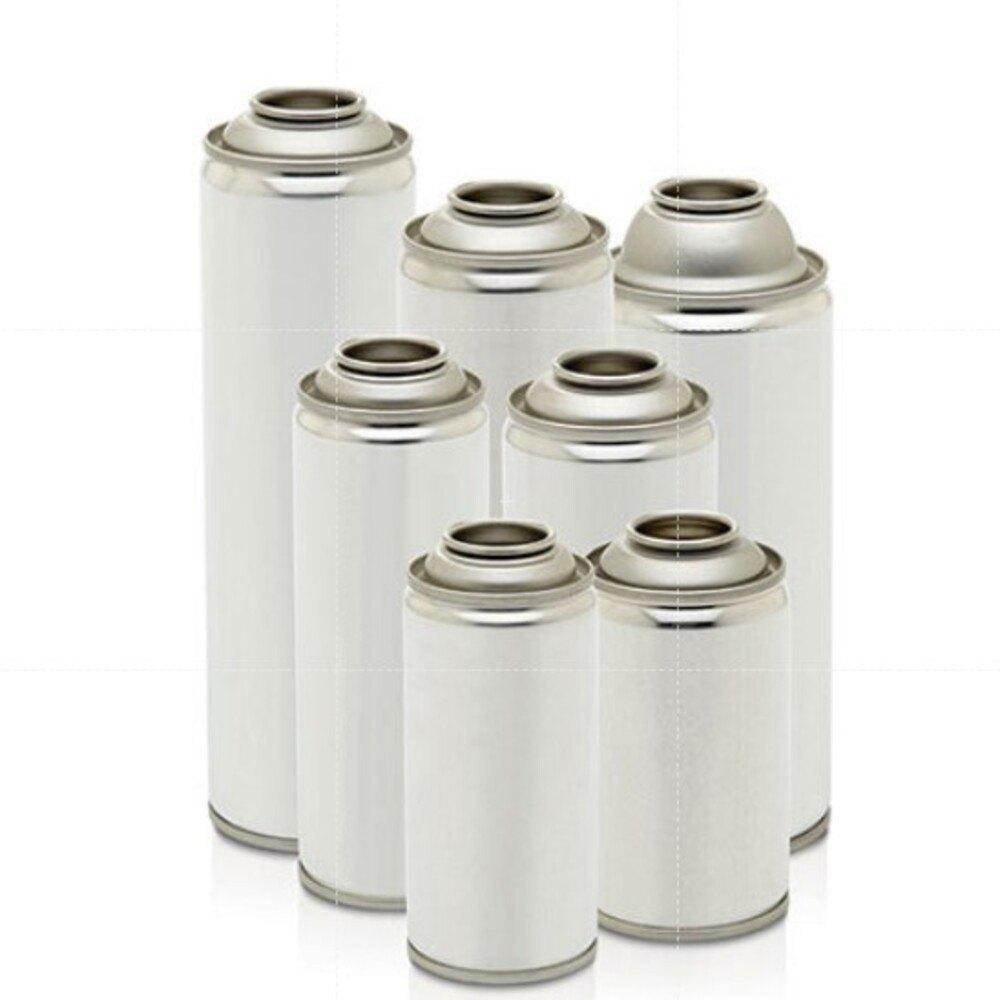
Pressure inside a container affects performance and safety in ways users may not expect, and the Two-Piece Aerosol Can design highlights how internal balance matters. When pressure is too high, seams and valves can be stressed, and when it is too low products may not spray as intended. Both extremes change how an aerosol functions and how safe it is to use.
A can with excessive internal pressure can bulge and feel tense to the touch. That tension may make dispensing uneven and increase the risk of leakage at weak points. In portable items, overpressure can push seals beyond their intended tolerance, causing unexpected release or malfunction. Handling and storage practices become more important when pressure deviates from intended levels.
Under pressurized conditions bring different challenges. A can that lacks adequate pressure will sputter or fail to atomize the contents properly. Users may notice large droplets, clogs, or a stream that splashes rather than forms a fine mist. Such behavior undermines the product function and wastes contents, and it can reduce the effective life of the container if repeated attempts force strain on the valve.
Temperature affects pressure and should not be overlooked. Warm environments raise internal gas pressure while cooler settings lower it. Moving containers between storage areas and active use without allowing them to reach the same temperature can cause momentary misbehavior. A safe routine includes allowing the container to stabilize before use and avoiding rapid heating or cooling.
Product composition also interacts with pressure. The balance between propellant and formulation determines how the mist forms and how stable the internal pressure remains during use. Fill levels that are too high or too low alter headspace and pressure dynamics, changing spray patterns and discharge rate. Quality control during filling helps maintain consistent performance for users.
Symptoms of pressure problems are often noticeable before a failure. Hissing noises, swollen cans, sticky residue around the valve, or inconsistent spray patterns are all signs that a container may not be in balance. Observing these cues and removing the container from active service until it can be examined reduces risk.
Storage is preventive. Keeping containers away from heat sources and storing them in a steady environment preserves pressure stability. Mechanical shocks and rough handling can dislodge internal components or damage seals. Using protective packaging and avoiding direct sunlight are simple steps that reduce the chance of pressure related issues.
Disposal practices matter when a container has abnormal pressure. If a can appears damaged or shows signs of overpressure, it should not be punctured or burned. Local guidance provides safe options for disposal, and many programs accept containers that are properly depressurized. Where guidance is unclear, treating an abnormal container with caution is wise.
When pressure problems occur in a household or workplace, a cautious response helps. Isolate the container, ensure good ventilation, and avoid direct inhalation of any discharged material. If a release occurs, cleaning up residue with appropriate protective measures prevents skin or eye exposure. For persistent leaks, professionals can advise on safe handling and removal.
Manufacturers and fill facilities monitor pressure through testing and by following filling standards that aim to prevent extremes. While user care is essential, confidence grows when packaging and marking are clear and consistent. Clear instructions for storage and signs to watch for support safer handling.
Understanding how internal pressure changes behavior helps users respond to irregularities before they become hazardous. Routine inspection, safe storage, and attention to unusual sounds or shapes reduce the chance of malfunction and awareness. If you need product guidance and safe handling pointers, check the supplier site listed below. https://www.bluefirecans.com/ .

 English
 Arabic
 Français
 Español
 Português
 Deutsch
 Dutch
Dutch
 Italiano
 Russian
 Romaian