


Sustainable Elegance: Transform Your Space with Handmade Rugs
Introduction
Handmade rugs have a timeless charm that can instantly transform any space. These unique pieces not only add beauty but also bring a sense of history and craftsmanship into your home. Handmade rugs are created with care and attention to detail, often using natural materials that are better for the environment. In this blog, readers will explore how handmade rugs can enhance the look of any room while supporting sustainability. From the materials used to the artistic techniques involved, handmade rugs are a perfect combination of elegance and eco-friendliness.
The Craftsmanship Behind Handmade Rugs
A Tradition of Skill and Artistry
Handmade rugs are created by skilled artisans who dedicate time and effort to produce each piece. Unlike mass-produced rugs made in factories, handmade rugs are woven by hand using traditional techniques that have been passed down through generations. This means that each rug is unique, with its own design, texture, and color variations.
Artisans use looms to weave the yarn into intricate patterns. The process of weaving a handmade rug involves tying thousands of knots by hand, and the quality of the rug depends on how tightly and precisely these knots are made. This level of craftsmanship results in a product that is not only durable but also a work of art.
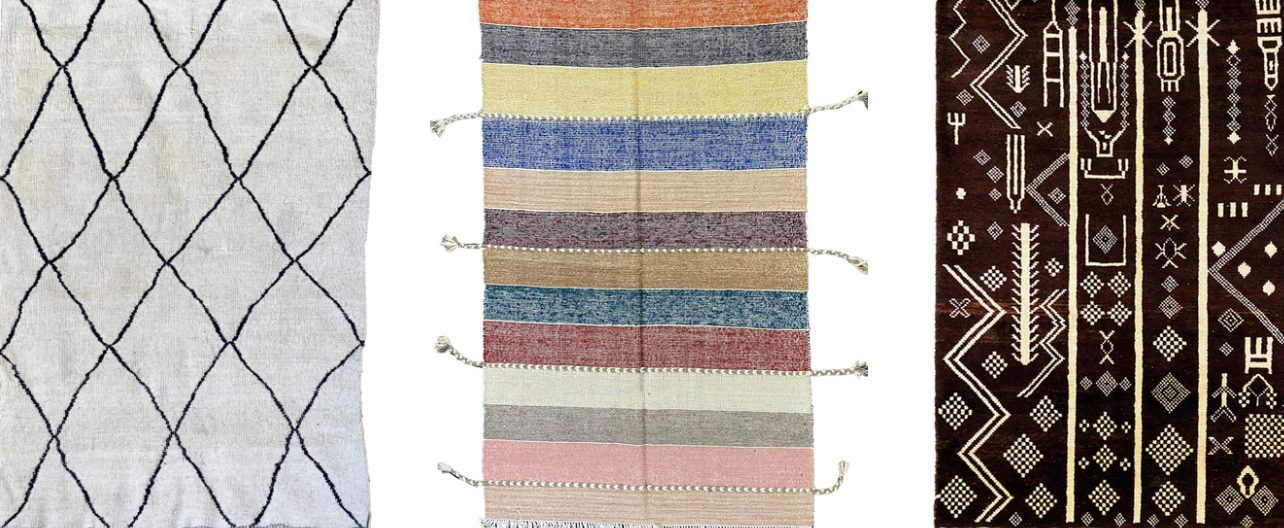
The designs on handmade rugs often reflect cultural traditions or natural elements. For example, Persian rugs are known for their intricate floral patterns, while Moroccan rugs may feature bold, geometric shapes. These designs tell a story, making each rug more than just a decoration—it becomes a piece of heritage.
Materials That Make a Difference
The materials used in handmade rugs are another reason why they stand out. Wool, silk, and cotton are the most common fibers used to create these rugs. Wool is often favored for its durability and softness. It is also naturally resistant to stains, making it an excellent choice for high-traffic areas like living rooms and hallways.
Silk, on the other hand, is used for more delicate and luxurious rugs. It gives a rug a soft sheen and smooth texture, often seen in smaller accent rugs. Cotton is another material used, though it is more lightweight and affordable, making it a good option for casual or low-traffic areas.
What sets handmade rugs apart even more is the natural dyes used to color the fibers. These dyes, made from plants, minerals, and insects, result in vibrant, rich colors that cannot be replicated by synthetic dyes. The use of natural dyes also makes handmade rugs a more environmentally friendly option, as they avoid the harmful chemicals used in mass-produced rugs.
The Beauty of Sustainable Design
Eco-Friendly and Sustainable
Handmade rugs are not only beautiful but also sustainable. Unlike machine-made rugs, which often use synthetic materials and dyes, handmade rugs are crafted with natural materials that are biodegradable. The use of wool, cotton, and silk means that these rugs do not contribute to the pollution caused by plastic-based products.
Moreover, handmade rugs are created using eco-friendly methods. Many artisans work with small-scale operations, which results in a smaller carbon footprint compared to large factories. The process of making a handmade rug is much slower and more deliberate, which means less waste is produced overall. Additionally, the natural dyes used are better for the environment than synthetic alternatives.
By choosing a handmade rug, you are supporting the artisans who create these pieces while also making a positive impact on the planet. Handmade rugs are designed to last for many years, so they are a more sustainable choice than buying multiple mass-produced rugs that may wear out quickly. This longevity makes handmade rugs a better investment in the long run, as they can be passed down through generations.
Durability and Timelessness
One of the key benefits of handmade rugs is their durability. The time and effort that go into creating each rug ensure that it is built to last. Handmade rugs are made to withstand heavy foot traffic, and their durability only improves with age. In fact, many handmade rugs become more valuable over time, especially if they are well cared for.
The tightly woven knots, high-quality materials, and craftsmanship contribute to the rug’s ability to last for decades, sometimes even centuries. This makes handmade rugs a long-term investment that adds lasting value to your home. Unlike cheap, machine-made rugs, handmade rugs can be used for many years without showing significant signs of wear.
Moreover, because they are crafted by hand, each rug has a unique charm that cannot be replicated by mass-produced alternatives. The combination of design, texture, and color gives each rug its own character, which only adds to its appeal over time.
How Handmade Rugs Transform Your Space
Adding Color and Personality to Your Room
Handmade rugs are a perfect way to add color and personality to any room. Whether it’s a bold, colorful rug in a living room or a subtle, neutral rug in a bedroom, handmade rugs bring warmth and style to any space. The variety of designs and colors available means that there is a handmade rug for every taste, from traditional patterns to modern geometric shapes.
A handmade rug can serve as the focal point of a room, tying together the color scheme and furniture. Alternatively, it can be used as an accent piece to complement the existing décor. In either case, a handmade rug helps to make a room feel more inviting and complete.
Versatility for Any Room
Handmade rugs are versatile and can be used in almost any room of the house. In the living room, a large area rug can anchor the furniture and create a cozy atmosphere. In a dining room, a rug can define the space around the table. Handmade rugs also work well in entryways, bedrooms, and even bathrooms, depending on their size and design.
The size and shape of the rug should be chosen based on the room and the furniture layout. For instance, a rectangular rug works well in a dining room, while a round rug might be a better fit for a smaller room or a space with curved furniture. The key is to select a rug that complements the room’s design and enhances its overall feel.
Caring for Handmade Rugs
Regular Maintenance
To keep a handmade rug in excellent condition, regular maintenance is essential. It’s recommended to vacuum a handmade rug at least once a week, especially in areas with high foot traffic. This helps to remove dust and dirt that can damage the fibers over time. When vacuuming, be sure to use a gentle setting to avoid pulling the fibers or damaging the design.
In addition to regular vacuuming, it’s important to rotate the rug periodically. This ensures that the rug wears evenly and prevents one area from becoming more worn than the rest. If the rug is exposed to direct sunlight, consider moving it to a less sunny spot to prevent the colors from fading.
Professional Cleaning
While regular maintenance is important, it’s also recommended to have your handmade rug professionally cleaned every few years. Professional cleaning helps to remove deep stains and dirt that regular vacuuming may not reach. It also restores the rug’s colors and texture, ensuring that it lasts for many more years.
Be sure to hire a professional who understands how to care for handmade rugs, as improper cleaning techniques can damage the fibers or cause the colors to bleed.
Conclusion
Handmade rugsoffer both beauty and sustainability, making them an excellent choice for anyone looking to transform their space. These rugs are crafted with skill and care, using high-quality materials and eco-friendly methods. By choosing a handmade rug, you are not only enhancing the look of your home but also making a sustainable choice that supports artisans and helps protect the environment. With their durability, timeless appeal, and ability to add warmth and personality to any room, handmade rugs are a perfect addition to any home.

 English
 Arabic
 Français
 Español
 Português
 Deutsch
 Türkçe
 Italiano
 Russian
 Romaian