


Premature Ejaculation (PE)
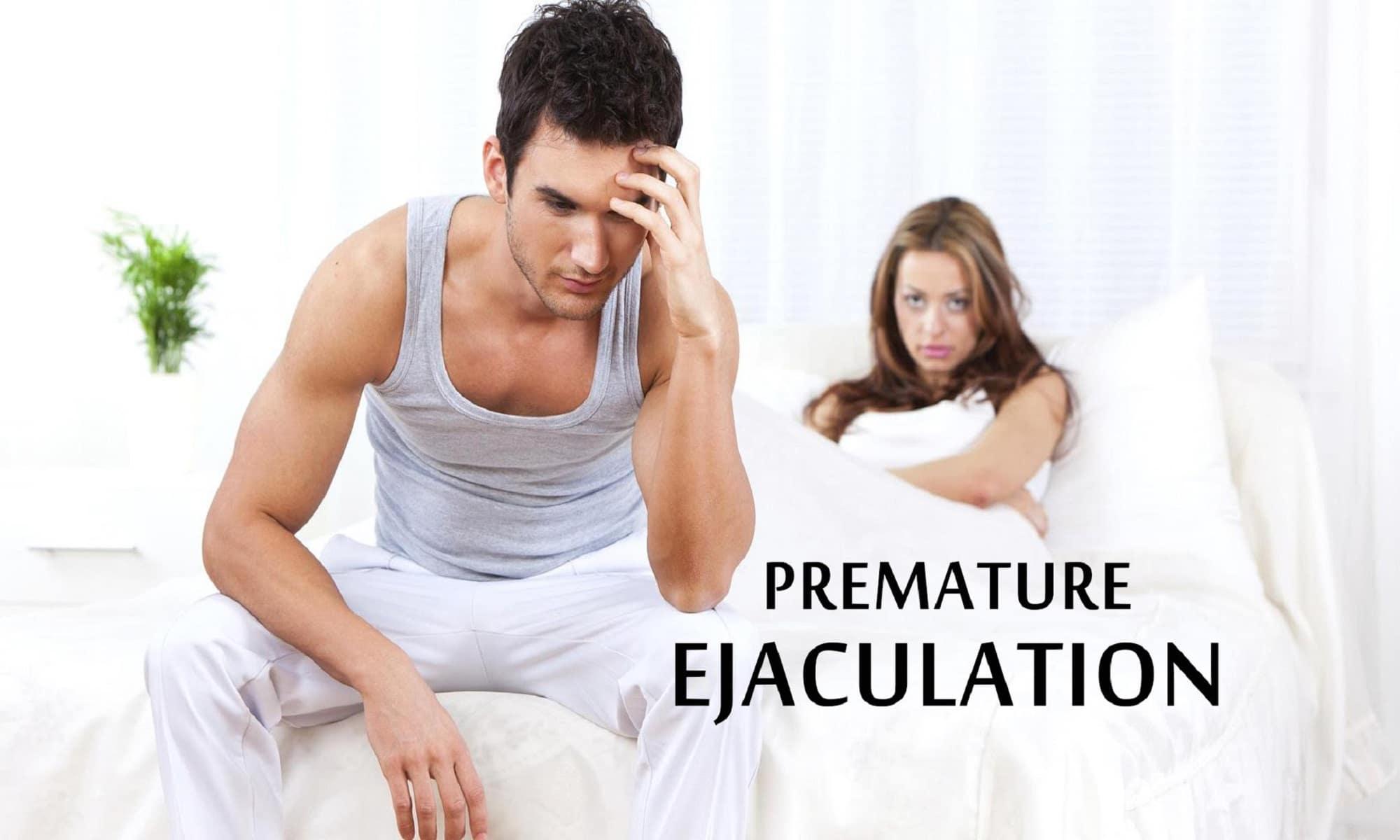
Premature Ejaculation (PE) is one of the most common male sexual health concerns, affecting men of different ages, backgrounds, and lifestyles. Despite its high prevalence, PE is often misunderstood, underdiagnosed, and underreported due to embarrassment, cultural stigma, and lack of awareness. This comprehensive article explores premature ejaculation in detail, including its definition, types, causes, symptoms, diagnosis, treatment options, lifestyle changes, psychological impact, and frequently asked questions.
What Is Premature Ejaculation?
Premature Ejaculation is a sexual dysfunction in which a man ejaculates sooner than he or his partner would like during sexual activity. It typically occurs with minimal sexual stimulation and before or shortly after penetration, often within one to two minutes, and is accompanied by a lack of control over ejaculation.
The key features of PE include:
-
Short ejaculatory latency (time to ejaculation)
-
Inability to delay ejaculation during intercourse
-
Emotional distress, frustration, or avoidance of intimacy
PE can occur occasionally or persistently. While occasional early ejaculation is normal and not a medical concern, persistent PE that causes distress may require evaluation and treatment.
Types of Premature Ejaculation
Premature Ejaculation Treatment is broadly classified into two main types:
1. Lifelong (Primary) Premature Ejaculation
Lifelong PE begins with a man’s first sexual experiences and continues throughout life. Ejaculation occurs almost always within one minute of penetration. This type is often linked to neurobiological or genetic factors and is less commonly related to psychological stress alone.
2. Acquired (Secondary) Premature Ejaculation
Acquired PE develops later in life after a period of normal sexual function. It may be associated with medical conditions, psychological stress, relationship issues, erectile dysfunction, or hormonal imbalances.
Understanding the type of PE is essential for selecting the most effective treatment approach.
How Common Is Premature Ejaculation?
Premature Ejaculation is extremely common. Studies suggest that approximately 20% to 30% of men worldwide experience PE at some point in their lives. It is the most frequently reported male sexual disorder, more common than erectile dysfunction in younger men.
Despite its prevalence, many men do not seek medical help, believing that PE is untreatable or something they must live with. In reality, PE is highly manageable with proper diagnosis and treatment.
Causes of Premature Ejaculation
The causes of premature ejaculation are multifactorial, involving a combination of psychological, biological, and lifestyle factors.
Psychological Causes
Psychological factors play a significant role, especially in acquired PE. These include:
-
Performance anxiety
-
Stress and mental tension
-
Depression
-
Relationship conflicts
-
Fear of sexual failure
-
Guilt related to sexual activity
Men who are anxious about their sexual performance may ejaculate quickly due to heightened nervous system activity.
Biological and Medical Causes
Several biological factors can contribute to PE, such as:
-
Hormonal imbalances (especially serotonin or testosterone levels)
-
Increased penile sensitivity
-
Abnormal neurotransmitter activity in the brain
-
Inflammation or infection of the prostate (prostatitis)
-
Thyroid disorders
-
Erectile dysfunction (ED)
In some cases, men with ED rush intercourse to avoid losing an erection, which can lead to premature ejaculation.
Lifestyle and Behavioral Factors
Certain habits and lifestyle choices may increase the risk of PE, including:
-
Excessive alcohol consumption
-
Smoking
-
Substance abuse
-
Lack of physical activity
-
Poor sleep habits
Symptoms of Premature Ejaculation
The primary symptom of PE is ejaculation that occurs sooner than desired. Other common signs include:
-
Ejaculation within one minute of penetration (in severe cases)
-
Inability to delay ejaculation during most sexual encounters
-
Distress, embarrassment, or frustration related to sexual performance
-
Avoidance of sexual intimacy
-
Reduced relationship satisfaction
It is important to note that diagnosis is based on both timing and emotional impact, not just duration alone.
Psychological and Emotional Impact
Premature Ejaculation can have a profound effect on a man’s mental and emotional well-being. Common psychological consequences include:
-
Low self-esteem
-
Feelings of inadequacy or failure
-
Anxiety and depression
-
Relationship tension or conflict
-
Loss of sexual confidence
Partners may also feel dissatisfied, confused, or emotionally disconnected. Open communication and mutual understanding are essential in addressing the emotional aspects of PE.
Diagnosis of Premature Ejaculation
Diagnosis of PE is primarily clinical and based on medical and sexual history. A healthcare professional may ask about:
-
Duration and frequency of early ejaculation
-
Onset (lifelong or acquired)
-
Level of control over ejaculation
-
Psychological stress or relationship issues
-
Presence of erectile dysfunction
In some cases, physical examinations, blood tests, or hormonal evaluations may be performed to rule out underlying medical conditions such as thyroid disorders or prostatitis.
Treatment Options for Premature Ejaculation
The good news is that premature ejaculation is highly treatable. Treatment plans are individualized and may include behavioral techniques, medications, counseling, or a combination of approaches.
1. Behavioral Techniques
Behavioral therapies are often the first line of treatment, especially for mild to moderate PE.
Start-Stop Technique
This method involves stimulating the penis until the man feels close to ejaculation, then stopping stimulation until the urge subsides. Repeating this process helps improve ejaculatory control over time.
Squeeze Technique
In this technique, pressure is applied to the head of the penis just before ejaculation to reduce arousal and delay climax.
Pelvic Floor Exercises (Kegels)
Strengthening the pelvic floor muscles can significantly improve control over ejaculation. Regular Kegel exercises have been shown to help many men with PE.
2. Medications
Several medications are used to treat premature ejaculation:
Selective Serotonin Reuptake Inhibitors (SSRIs)
Certain antidepressants are commonly prescribed off-label to delay ejaculation by increasing serotonin levels. These medications may be taken daily or on-demand.
Topical Anesthetics
Creams or sprays containing numbing agents reduce penile sensitivity and help delay ejaculation. These are applied before intercourse.
Oral Medications
Some medications are designed specifically to delay ejaculation and are taken shortly before sexual activity.
Medication should always be taken under medical supervision to avoid side effects.
3. Psychological Counseling and Sex Therapy
For men whose PE is linked to psychological factors, counseling can be highly effective. Therapy may focus on:
-
Reducing performance anxiety
-
Improving communication between partners
-
Addressing relationship issues
-
Managing stress and negative thought patterns
Couples therapy can also be beneficial when PE affects relationship satisfaction.
Lifestyle Changes and Natural Approaches
Certain lifestyle modifications can improve sexual health and reduce the severity of PE:
-
Regular exercise to improve circulation and reduce stress
-
Maintaining a healthy weight
-
Balanced diet rich in vitamins and minerals
-
Limiting alcohol and quitting smoking
-
Practicing mindfulness and relaxation techniques
-
Ensuring adequate sleep
While lifestyle changes alone may not cure PE, they play an important supportive role in overall treatment.
Myths and Misconceptions About Premature Ejaculation
There are many myths surrounding PE that prevent men from seeking help:
-
Myth: PE is always psychological
-
Fact: PE can have biological, neurological, and medical causes
-
-
Myth: Only older men experience PE
-
Fact: PE affects men of all ages
-
-
Myth: PE is untreatable
-
Fact: Most men experience significant improvement with treatment
-
Understanding the facts can empower men to take action and seek professional care.
When to See a Doctor
A man should consider consulting a healthcare professional if:
-
PE occurs frequently and causes distress
-
It affects relationship satisfaction
-
There is a sudden change in ejaculation timing
-
PE is accompanied by erectile dysfunction or pain
Early consultation leads to better outcomes and prevents long-term emotional distress.
Living With and Managing Premature Ejaculation
Living with PE does not mean giving up on a satisfying sex life. With the right approach, most men can regain confidence and control. Key strategies include:
-
Seeking professional guidance without embarrassment
-
Being patient with treatment progress
-
Involving the partner in the treatment journey
-
Maintaining open and honest communication
PE is a medical condition, not a personal failure.
Conclusion
Premature Ejaculation is a common and highly treatable sexual health condition that affects millions of men worldwide. Although it can cause emotional distress and relationship challenges, modern medicine offers a wide range of effective solutions. From behavioral techniques and medications to counseling and lifestyle changes, men have multiple options to regain control and confidence. For PE Treatment and ed treatment dot clinics is the best choice.
Breaking the silence around premature ejaculation is essential. Seeking help, understanding the condition, and adopting a comprehensive treatment plan can dramatically improve sexual satisfaction and quality of life. No man should feel alone or ashamed—help is available, and recovery is achievable.
Frequently Asked Questions (FAQs)
Is premature ejaculation normal?
Occasional early ejaculation is normal. Persistent PE that causes distress may require treatment.
Can PE be cured permanently?
Many men achieve long-term improvement or complete resolution with proper treatment.
Does masturbation cause premature ejaculation?
No, masturbation does not cause PE. In some cases, certain habits may influence sensitivity, but it is not a direct cause.
Can stress cause premature ejaculation?
Yes, stress and anxiety are major contributing factors, especially in acquired PE.
Should both partners be involved in treatment?
Yes, partner involvement often improves outcomes and relationship satisfaction.

 Arabic
 Français
 Español
 Português
 Deutsch
 Türkçe
 Dutch
Dutch
 Italiano
 Russian
 Romaian