


How Can Proper Techniques Enhance Poolside Surfaces Safely?
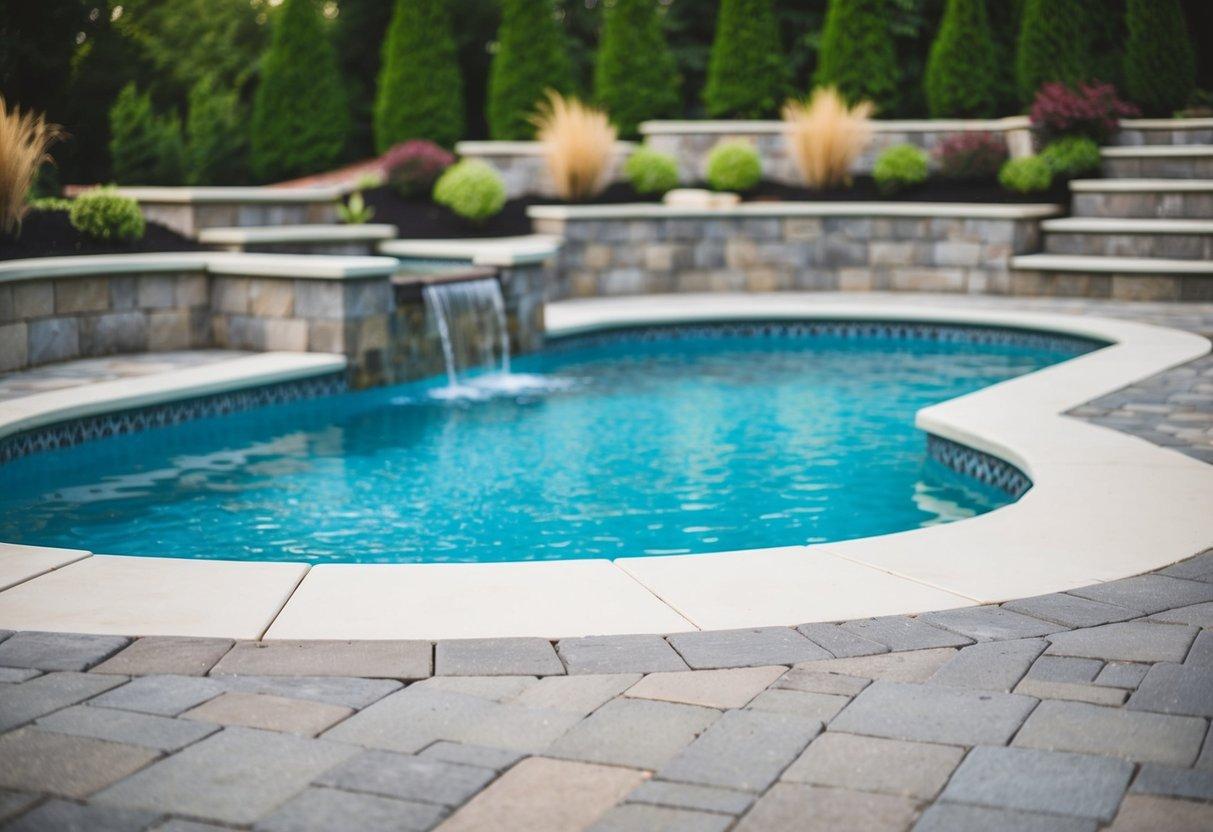
Poolside surfaces require careful planning and execution to ensure safety, durability, and visual appeal. Masonry contractors in New Jersey apply proven techniques that protect homeowners from hazards such as slipping, cracking, and water damage while creating surfaces that complement outdoor spaces. Proper material selection, preparation, installation, and ongoing maintenance are crucial for longevity. Understanding the processes that professionals follow helps homeowners make informed decisions and ensures that poolside areas remain safe and attractive for years.
Selecting the Right Materials for Poolside Surfaces
- Concrete options suitable for pool areas
- Slip-resistant pavers and tiles
- Natural stone vs. manufactured stone considerations
- UV and chemical resistance of different materials
- Cost and maintenance factors
Choosing the right materials is the foundation of a durable and safe poolside surface. Concrete provides a versatile and cost-effective option that withstands heavy use and exposure to water. Slip-resistant pavers and tiles reduce the risk of accidents while maintaining style. Natural stone offers a timeless appearance but requires proper sealing to prevent water damage, whereas manufactured stone can offer more consistent sizing and surface texture. UV and chemical resistance is critical in areas exposed to sunlight, chlorine, and pool chemicals. Budget considerations influence material choice, but investing in durable, low-maintenance materials ensures long-term safety and minimizes repair costs.
Surface Preparation Techniques
- Soil grading and drainage solutions
- Base layers and compaction methods
- Reinforcement with rebar or mesh
- Moisture barrier and curing processes
- Leveling and slope considerations for water runoff
Surface preparation is essential to prevent cracking, uneven surfaces, and water pooling. Soil grading creates a stable base that promotes proper drainage and prevents water accumulation. Compacting base layers ensures a solid foundation for pavers or concrete, while reinforcement with rebar or mesh provides structural stability for heavier surfaces. Moisture barriers protect underlying materials from water damage and frost heaving. Accurate leveling and slope adjustments guide water away from the pool, reducing hazards and surface deterioration. Professional masonry contractors in New Jersey implement these preparation steps meticulously to achieve surfaces that remain strong and safe over time.
Proper Installation Methods
Proper installation techniques determine the functionality and safety of poolside surfaces. For pavers and tiles, precise alignment and consistent spacing create a smooth walking surface while preventing trip hazards. Concrete surfaces require careful pouring, finishing, and texturing to ensure slip resistance and uniformity. Joint sealing protects edges from water infiltration and reduces the likelihood of cracks. Edge treatments provide stability and an aesthetic finish that blends with landscaping. Professionals follow step-by-step methods that combine material expertise, attention to detail, and specialized tools to achieve surfaces that withstand daily use, seasonal weather changes, and pool chemical exposure.
Safety Considerations Around Pool Areas
Slip-resistant finishes and coatings prevent accidents, especially in wet conditions. Non-toxic sealers preserve surface integrity without introducing harmful chemicals. Proper slope ensures water drains efficiently, minimizing puddles and slippery spots. Adequate lighting enhances visibility during evening hours, highlighting edges and changes in surface elevation. Installing handrails or textured borders further improves safety for all users. Professionals integrate these elements seamlessly, balancing functionality with aesthetics, to create poolside surfaces that prioritize protection while maintaining an inviting atmosphere.
Maintenance Practices for Long-Lasting Poolside Surfaces
Regular cleaning removes debris, algae, and mold, preserving traction and visual appeal. Periodic inspections identify cracks, loose tiles, or paver shifts, allowing early intervention to prevent larger problems. Sealing surfaces maintains moisture resistance and protects against chemical or UV damage. Minor repairs, such as patching small cracks or replacing damaged sections, extend the life of the poolside area. Following structured maintenance routines ensures surfaces remain safe, durable, and attractive, reducing long-term costs and enhancing the enjoyment of the pool area.
Benefits of Hiring Skilled Professionals
Skilled professionals bring experience, knowledge, and tools that guarantee quality results. Their expertise ensures proper material selection, surface preparation, and installation techniques. Professionals comply with safety standards and local regulations, reducing liability risks. Hiring experienced masonry contractors saves time and avoids costly mistakes by applying tested procedures that address drainage, slope, and reinforcement requirements. Knowledge of local climate conditions ensures that surfaces withstand temperature fluctuations, moisture, and seasonal wear. Engaging skilled professionals guarantees a poolside area that is safe, long-lasting, and visually appealing, providing peace of mind for homeowners.
Conclusion
Proper techniques create poolside surfaces that are safe, durable, and visually appealing. Material selection, surface preparation, precise installation, safety considerations, and ongoing maintenance work together to prevent accidents and extend the life of pool areas. Professional masonry contractors in New Jersey provide the expertise required to apply these techniques effectively, ensuring that poolside surfaces remain a reliable and attractive part of outdoor living spaces. Homeowners who invest in skilled craftsmanship and structured maintenance benefit from safe, long-lasting, and enjoyable poolside environments.
FAQs
How do I choose the safest materials for poolside surfaces?
Selecting materials involves considering slip resistance, durability, chemical and UV resistance, and ease of maintenance. Concrete, natural stone, and slip-resistant tiles are popular options, with local professionals providing guidance on the best choice for your environment and budget.
What steps prevent cracking on poolside surfaces?
Cracking is minimized by proper soil grading, compacted base layers, reinforcement, moisture barriers, and correct curing techniques. Accurate leveling and slope adjustments also reduce stress on the surface.
How often should poolside surfaces be maintained?
Routine cleaning should be done weekly to remove debris and algae. Inspections for cracks or loose materials are recommended at least every few months, with sealing and minor repairs performed annually or as needed.
Can poolside surfaces be made slip-resistant without changing materials?
Slip-resistant coatings or textured finishes can be applied to existing surfaces, enhancing traction without replacing tiles or pavers. Professionals ensure coatings are safe, durable, and compatible with the surface material.

 English
 Arabic
 Français
 Español
 Português
 Deutsch
 Türkçe
 Italiano
 Russian
 Romaian