


The Rising Love for Spicy Flavors: How Heat Has Redefined Modern Food Culture
Spicy food has evolved from a regional preference into a global culinary movement. What was once considered an acquired taste is now a celebrated element in kitchens, restaurants, and street food stalls around the world. The growing fascination with bold flavors, heat levels, and layered spice profiles has transformed how people cook and eat. From casual home meals to gourmet dining experiences, spice has become a defining factor in modern cuisine. This shift reflects a deeper appreciation for flavor complexity, cultural exploration, and the sensory excitement that spice delivers.
Why Spicy Foods Are More Popular Than Ever
The popularity of spicy foods is driven by changing consumer tastes and a desire for adventurous eating. People today are more curious about global cuisines, leading them to explore flavors inspired by Asian, Latin American, and African food traditions. Spicy dishes offer intensity without relying on excess fat or sugar, making them appealing to health-conscious eaters. Social media has also played a major role, as viral food challenges and visually striking spicy dishes encourage experimentation. This growing exposure has normalized heat as a welcome part of everyday meals rather than an occasional indulgence.
Understanding the Appeal of Hot Sauce in Everyday Cooking
The versatility of hot sauce makes it one of the most accessible ways to introduce spice into daily meals. It can enhance simple dishes like eggs, sandwiches, and grilled vegetables while also adding depth to complex recipes such as marinades and stews. Unlike raw chilies, sauces offer balanced heat combined with tangy, smoky, or slightly sweet undertones. This balance allows home cooks to control spice levels without overpowering the dish. Its adaptability has made it a staple condiment in households that value flavor customization.
The Role of Spice in Enhancing Flavor Profiles
Spice does more than add heat; it amplifies taste and aroma. Capsaicin, the compound responsible for heat, stimulates taste receptors and enhances overall flavor perception. When used thoughtfully, spice highlights ingredients rather than masking them. In savory dishes, it brings warmth and depth, while in sauces and dips, it creates a lingering finish that keeps food memorable. This ability to elevate flavor is why spicy elements are increasingly used by chefs to create signature dishes that stand out.
How Hot Garlic Sauce Adds Depth and Richness
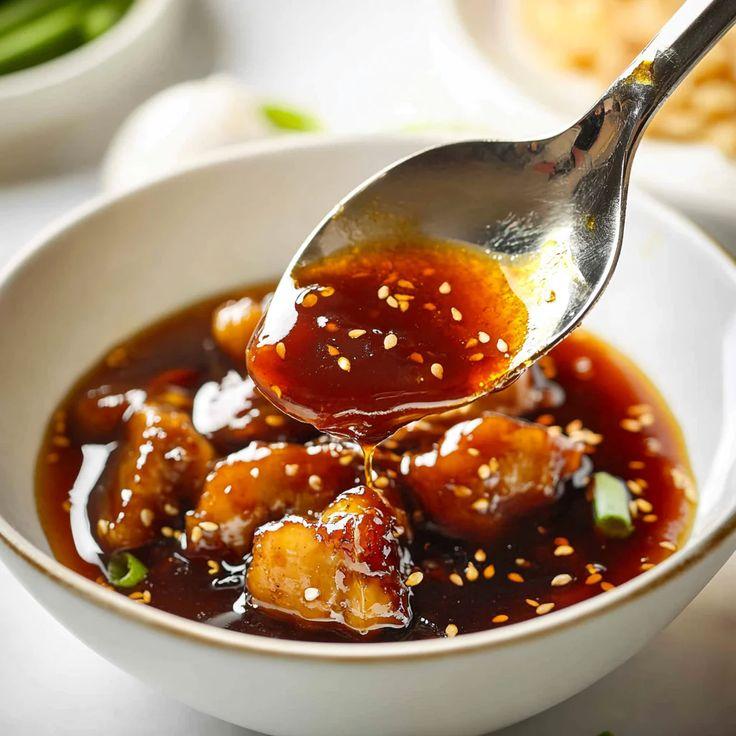
The combination of garlic and spice creates a bold yet comforting flavor that appeals to a wide audience. hot garlic sauce blends the aromatic richness of garlic with controlled heat, making it suitable for both mild and spicy palates. It pairs exceptionally well with noodles, stir-fries, roasted meats, and even pizza. The garlic base provides a savory backbone that enhances umami, while the heat adds excitement without overwhelming the dish. This balance has made it a favorite for those seeking flavor-forward spice.
Spicy Sauces as a Cultural Connector
Spicy sauces often carry cultural significance, reflecting regional ingredients and cooking traditions. From fermented chili pastes to vinegar-based blends, each sauce tells a story of local cuisine and history. Incorporating these sauces into meals allows people to experience global flavors without extensive preparation. This cultural exchange through food has contributed to the widespread acceptance of spice across different demographics. As people become more open to diverse culinary influences, spicy sauces serve as an easy introduction to new food traditions.
Health and Lifestyle Factors Behind the Spice Trend
Beyond flavor, spice is associated with several lifestyle benefits. Many people enjoy the endorphin release that follows spicy food consumption, which creates a sense of satisfaction and enjoyment. Spicy meals can also encourage mindful eating, as intense flavors slow down consumption and enhance awareness of taste. Additionally, sauces made with natural ingredients are often lower in calories compared to creamy condiments. These factors align with modern dietary preferences that prioritize both enjoyment and balance.
How Spicy Sauces Inspire Creativity in the Kitchen
Spicy sauces encourage experimentation and creativity in cooking. Home cooks use them to reinvent leftovers, enhance traditional recipes, or create fusion dishes. A small addition can transform a familiar meal into something exciting and new. This flexibility makes spicy sauces a valuable tool for those who enjoy cooking without complicated techniques. The ability to customize heat and flavor allows individuals to develop their own signature taste preferences over time.
Conclusion
The growing love for spicy flavors reflects a broader shift toward bold, expressive eating. Spicy sauces have become essential components of modern cuisine, offering versatility, cultural connection, and sensory excitement. Their ability to enhance everyday meals while encouraging culinary exploration has cemented their place in kitchens around the world. As food culture continues to evolve, spice will remain a powerful element that brings people together through shared experiences and unforgettable flavors.
Frequently Asked Questions
What makes spicy sauces different from using raw chilies?
Spicy sauces offer balanced heat combined with complementary flavors, making them easier to use and more consistent than raw chilies.
Can spicy sauces be used in non-traditional dishes?
Yes, they work well in fusion recipes, snacks, and even breakfast dishes, adding depth and excitement to unexpected foods.
Are spicy sauces suitable for beginners?
Many sauces are designed with controlled heat levels, allowing beginners to enjoy spice without discomfort while gradually building tolerance.

 English
 Arabic
 Français
 Español
 Deutsch
 Türkçe
 Dutch
Dutch
 Italiano
 Russian
 Romaian