


Lip Filler Injection in Dubai: Evidence-Based Techniques
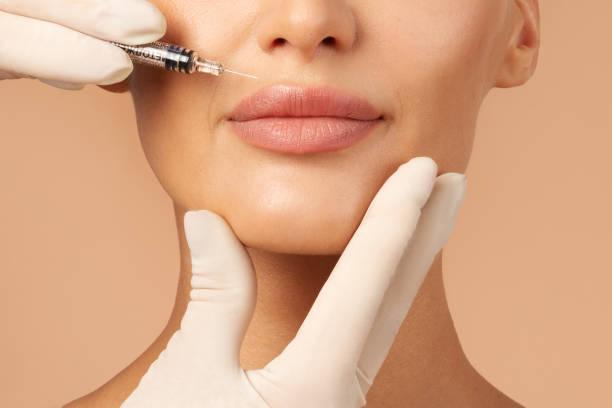
A Lip Filler Injection in Dubai can dramatically enhance lips, but the difference between good and excellent results lies in evidence-based techniques. Patients often focus on brand or cost, overlooking the science behind injection methods. In clinical practice, applying proven techniques improves symmetry, minimizes complications, and delivers natural movement. This article explores the evidence-based strategies used in professional lip augmentation, highlighting how careful planning, injection methods, and filler choice create safe, predictable outcomes.
What Are Evidence-Based Techniques?
Evidence-based techniques combine clinical experience, scientific research, and documented patient outcomes. For lip fillers, this means:
-
Using validated injection patterns
-
Selecting the right filler for tissue type and goal
-
Minimizing risks through proper depth and volume control
In essence, every decision is guided by research and real-world observations rather than trends or marketing claims.
Patient Assessment and Planning
Anatomy Assessment
Successful lip augmentation starts with anatomy evaluation:
-
Lip volume, symmetry, and proportions
-
Upper vs. lower lip dynamics
-
Surrounding facial features for harmony
Clinicians document baseline photos and sometimes use digital simulations to predict results. Evidence shows that customized planning reduces asymmetry and enhances satisfaction.
Goal Alignment
Patients are asked to describe desired results, whether subtle enhancement or more defined volume. Evidence indicates that clear goal-setting improves both outcome and patient confidence.
Injection Techniques Supported by Research
Needle vs. Cannula
Studies confirm that both tools are effective but differ in applications:
-
Needles: Provide precision for borders and small volume increments
-
Cannulas: Reduce bruising and swelling, allow broader filler distribution
Clinical observation supports the use of a combined approach depending on patient anatomy.
Layered Injection Technique
Evidence supports injecting in multiple layers:
-
Superficial layer: fine lines, hydration
-
Mid-layer: shaping and contour
-
Deep layer: structural volume
Layered injections distribute filler evenly, maintain lip movement, and reduce lump formation.
Linear and Micro-Droplet Methods
-
Linear threading: Filler is placed along the vermilion border to define shape
-
Micro-droplet: Tiny amounts placed at intervals for smooth volume
Research and clinical reports show that these techniques minimize overcorrection and ensure natural results.
Filler Selection Based on Evidence
Evidence-based practice emphasizes selecting fillers that match tissue characteristics and goals:
-
Soft HA: hydration, subtle contouring
-
Medium-density HA: structure and shape retention
-
Elastic HA: supports natural movement, reduces stiffness
Studies suggest that using the appropriate HA type lowers complication rates and improves integration.
Pain Management Techniques
Evidence-based pain management includes:
-
Topical lidocaine for comfort
-
Cannula use to reduce trauma
-
Gentle handling and proper injection speed
Patient feedback consistently reports improved experience when these techniques are used.
Minimizing Complications
Evidence-based protocols reduce risks such as:
-
Bruising: use cannulas or micro-droplet technique
-
Swelling: gradual filler placement and cold compress
-
Asymmetry: pre-injection mapping and post-injection refinement
Documented outcomes show that following these protocols leads to fewer revisions and higher satisfaction.
Recovery Optimization
Evidence-based recovery strategies include:
-
Immediate post-procedure ice application
-
Avoiding strenuous activity for 24–48 hours
-
Hydration and gentle lip care
Research indicates that patients adhering to these guidelines experience faster recovery and less discomfort.
Realistic Expectations from Evidence-Based Techniques
-
Immediate swelling and mild asymmetry are normal
-
Near-final results appear within 7–14 days
-
Full integration is achieved at one month
-
Results last 6–9 months depending on filler type
Patients are educated on what to expect at each stage, improving satisfaction and confidence.
Social Proof: Patient Experiences
-
“The layering technique my doctor used made my lips look soft and natural; even the swelling was minimal.”
-
“I appreciated how they explained the linear and micro-droplet methods. My results were exactly what I wanted.”
Cost Considerations in Evidence-Based Practice
Average lip filler injections in Dubai range from 1249 AED to 1599 AED per 1 ml. Evidence-based techniques may slightly increase session time or cost due to:
-
Pre-procedure mapping and planning
-
Precision injection methods
-
Follow-up and refinement sessions
Investment in science-backed care ensures predictable and safe results.
Frequently Asked Questions
What are the most effective evidence-based injection techniques?
Linear threading, micro-droplet, and layered injections are supported by clinical research.
Does using a cannula reduce bruising?
Yes. Clinical evidence indicates cannulas cause less tissue trauma and lower bruising rates.
How is filler type determined?
Based on lip anatomy, desired volume, tissue softness, and movement requirements.
Are evidence-based techniques safer?
Yes. Following research-backed protocols minimizes complications and improves outcomes.
How soon will I see final results?
Near-final results appear within 7–14 days, with full integration at one month.
Why Patients Choose Tajmeels Clinic
At Tajmeels Clinic, every lip filler treatment follows evidence-based protocols to optimize safety, comfort, and aesthetics. From anatomy assessment to precision injections and post-care guidance, patients receive care that is rooted in clinical research and real-world experience. The result is natural-looking, long-lasting lips that align with each patient’s unique facial structure.

 English
 Arabic
 Français
 Português
 Deutsch
 Türkçe
 Dutch
Dutch
 Italiano
 Russian
 Romaian