


COMPLETE GUIDE TO PIGMENTATION
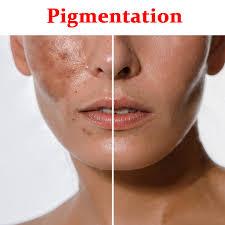
Pigmentation: An In-Depth Clinical and Aesthetic Perspective
Pigmentation is one of the most common and complex skin concerns we encounter in clinical dermatology and aesthetic practice. It affects individuals across age groups, skin tones, and lifestyles, often impacting confidence and overall skin health. We approach pigmentation not as a superficial cosmetic issue, but as a biological response influenced by internal and external factors. Understanding pigmentation thoroughly is the foundation for achieving visible, long-term correction. pigmentation on Face
Why Pigmentation Occurs
Pigmentation occurs due to excess melanin production or an uneven distribution of melanin, the natural pigment responsible for skin colour. Melanin is produced by melanocyte cells located in the basal layer of the epidermis. When these cells become overactive or damaged, pigmentation appears as patches, spots, or uneven tone.
Key biological triggers include:
- Ultraviolet radiation exposure
- Inflammatory skin responses
- Hormonal fluctuations
- Oxidative stress
- Genetic predisposition
When the skin perceives damage or stress, it activates melanin production as a defence mechanism. Over time, repeated triggers cause persistent pigmentation that does not fade naturally.
Pigmentation on Face: Why the Face Is Most Affected
Facial skin is continuously exposed to sunlight, pollution, heat, and cosmetic products. This constant exposure makes the face the most vulnerable area for pigmentation disorders.
Common facial pigmentation patterns include:
- Melasma on cheeks and forehead
- Periorbital pigmentation around the eyes
- Post-acne marks on the jawline and chin
- Sun spots on the nose and upper cheeks
Facial skin also has higher melanocyte activity, which explains why pigmentation here tends to be more stubborn and recurrent.
Reason for Pigmentation on Face
Facial pigmentation rarely has a single cause. We observe that it is usually multifactorial.
Primary reasons include:
- Chronic sun exposure without adequate photoprotection
- Hormonal imbalance related to pregnancy, PCOS, or oral contraceptives
- Inflammation from acne, waxing, threading, or chemical burns
- Use of harsh skincare products
- Genetic sensitivity of melanocytes
- Aging-related melanocyte dysregulation
Ignoring these triggers often leads to worsening pigmentation despite topical treatments.
Types of Skin Pigmentation Disorders
Understanding the type of pigmentation is critical for selecting the proper treatment.
Melasma
Characterised by symmetrical brown or grey-brown patches, commonly seen in women. Hormones and sunlight are primary triggers.
Post-Inflammatory Hyperpigmentation
Occurs after acne, burns, or dermatological procedures. Appears as dark spots matching the site of injury.
Sunspots (Solar Lentigines)
Flat brown spots caused by cumulative sun damage are typically seen after the age of 30.
Freckles
Genetically determined pigmentation that darkens with sun exposure.
Skin Pigmentation Treatment: A Medical-Grade Approach
Effective pigmentation correction requires a structured, layered approach rather than one-time solutions. We focus on melanin suppression, epidermal renewal, and barrier repair.
Topical Depigmenting Agents
Medical formulations containing:
- Azelaic acid
- Tranexamic acid
- Kojic acid
- Vitamin C
- Retinoids
These agents regulate melanin synthesis and improve cell turnover.
Chemical Peels
Professionally administered peels accelerate exfoliation and remove pigmented keratinocytes. Peel selection depends on pigmentation depth and skin sensitivity.
Oral Antioxidants
Systemic antioxidants reduce oxidative stress, a major contributor to melanocyte activation.
Q-Switch Laser: Gold Standard for Pigmentation Reduction
The Q-Switch laser is a highly advanced, non-invasive technology specifically designed to target melanin deposits without damaging surrounding tissue.
How Q-Switch Laser Works
- Emits ultra-short pulses of high-energy light
- Breaks melanin into micro-particles
- Enables natural elimination through lymphatic clearance
Benefits of Q-Switch Laser
- Precision targeting of pigmentation
- Minimal downtime
- Safe for Indian and darker skin tones
- Improves skin clarity and texture
- Reduces recurrence when combined with maintenance care
Conditions Treated with Q-Switch Laser
- Melasma
- Sunspots
- Acne pigmentation
- Uneven skin tone
- Tanning
Post-Treatment Maintenance for Long-Term Results
Pigmentation tends to recur without proper aftercare. We emphasise:
- Broad-spectrum sunscreen application
- Barrier-repair moisturisers
- Antioxidant serums
- Periodic maintenance laser sessions
- Lifestyle modifications
Consistency is the deciding factor between temporary improvement and lasting correction.
Preventing Pigmentation Recurrence
Prevention is as critical as treatment. Our preventive strategy includes:
- Daily UV protection
- Avoiding harsh facial procedures
- Managing hormonal imbalances
- Early intervention for acne and inflammation
Conclusion
Pigmentation is a complex skin condition that demands clinical expertise, customised protocols, and disciplined maintenance. When approached with evidence-based treatments like Q-Switch laser therapy and medical-grade skincare, pigmentation can be significantly reduced and controlled. We believe informed care delivers predictable, visible results.

 Arabic
 Français
 Español
 Português
 Deutsch
 Türkçe
 Dutch
Dutch
 Italiano
 Russian
 Romaian